The Precision Behind VASER Liposuction
Understanding How Ultrasound Assisted Liposuction Enhances Precision and Contour Refinement
VASER liposuction is a form of ultrasound assisted fat removal that can enhance precision in select patients. While traditional liposuction remains highly effective, VASER technology allows fat cells to be gently disrupted before removal, which may support smoother contour transitions and more refined sculpting.
Technology alone does not determine outcomes. Surgical planning, anatomical understanding and aesthetic judgment remain the most important factors in achieving natural looking results. VASER is one of several tools available to support precision when appropriate.
During consultation, fat distribution, skin quality and overall body proportion are carefully evaluated to determine whether traditional liposuction or ultrasound assisted liposuction is the most appropriate approach.
VASER stands for Vibration Amplification of Sound Energy at Resonance. The system uses ultrasound energy delivered through a small probe to selectively disrupt fat cells beneath the skin.
Once emulsified, the fat is removed using suction, similar to traditional liposuction. The primary difference is that ultrasound energy helps separate fat from surrounding tissue before removal.
In properly selected patients, this approach may allow for:
The foundational principles of liposuction remain unchanged. VASER enhances technique rather than replacing it.
Both traditional liposuction and VASER assisted liposuction are effective methods of body contouring. The choice between techniques depends on patient anatomy, treatment goals and overall surgical planning.
Traditional liposuction:
VASER liposuction:
In many cases, traditional liposuction produces excellent results. VASER is used selectively when enhanced precision may provide an advantage.

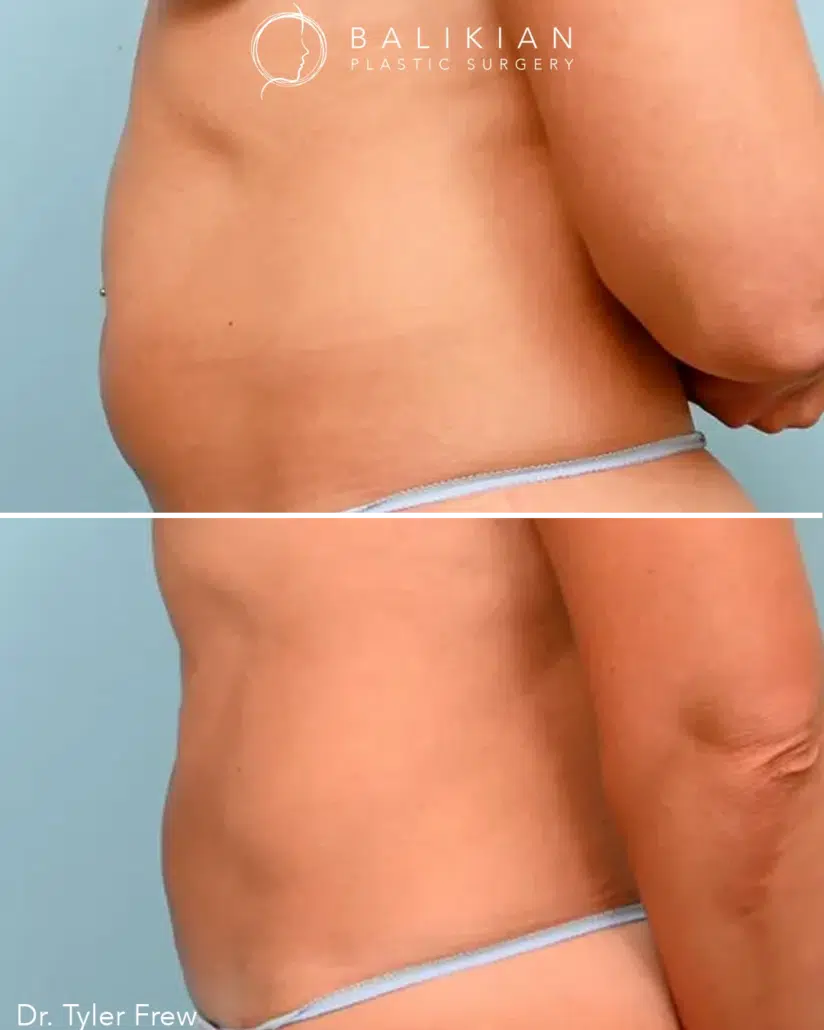
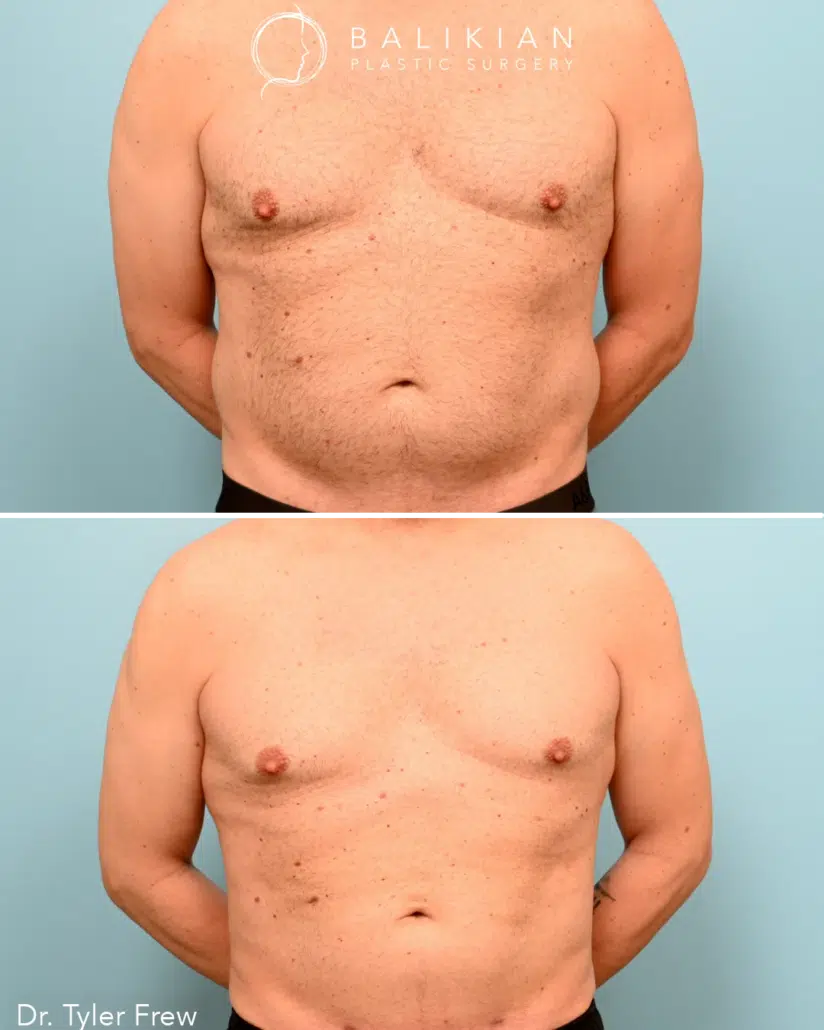
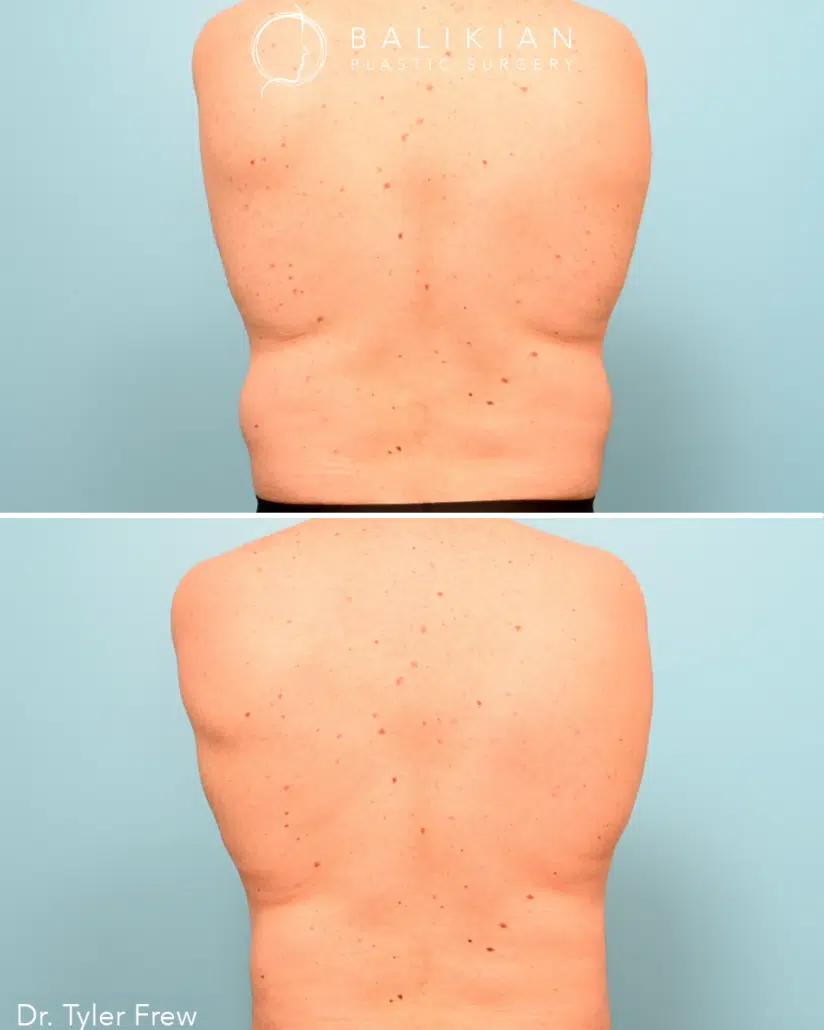
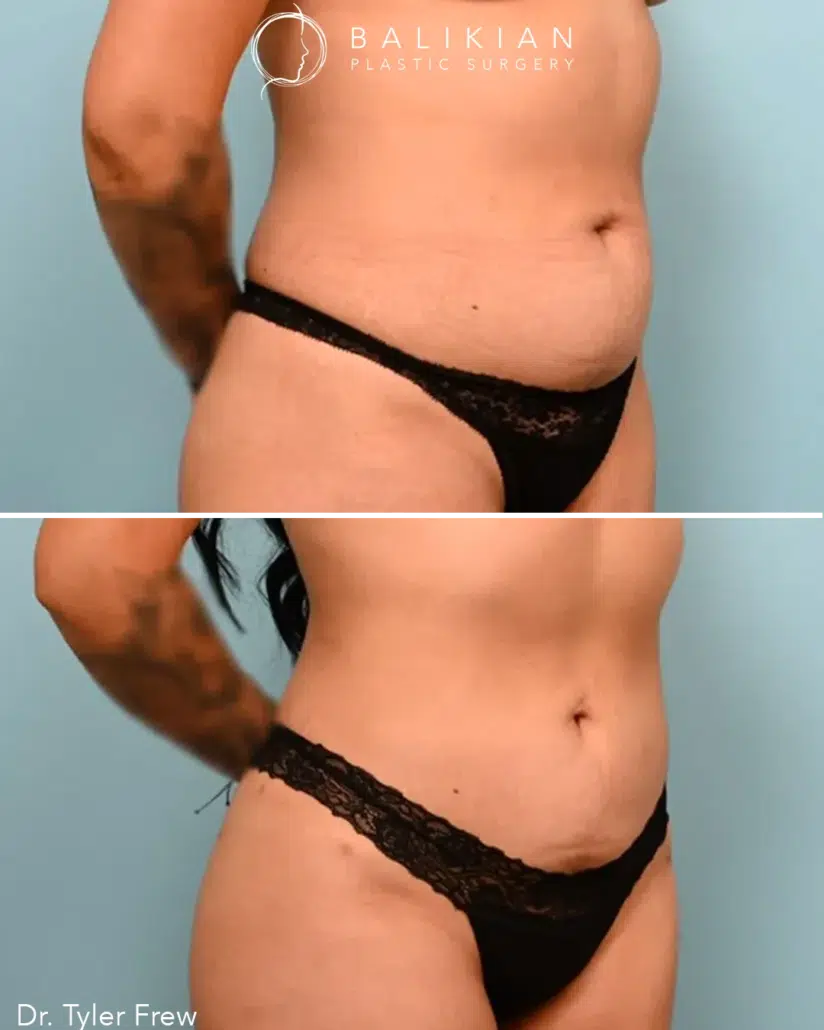

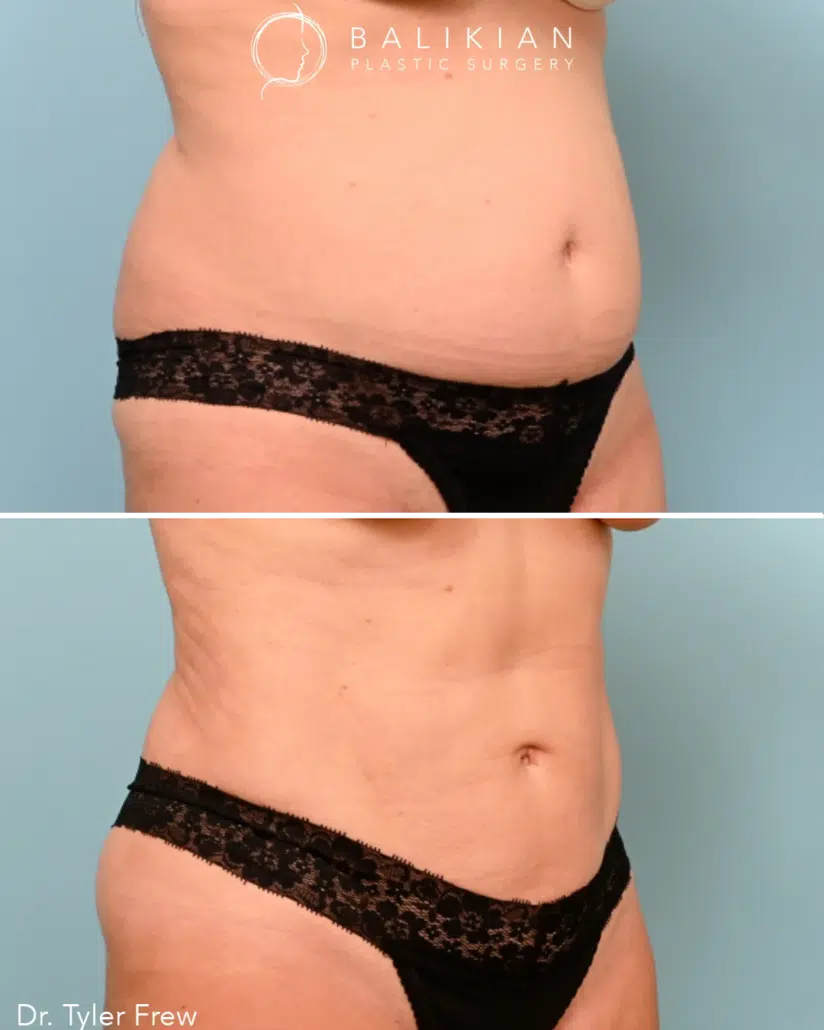
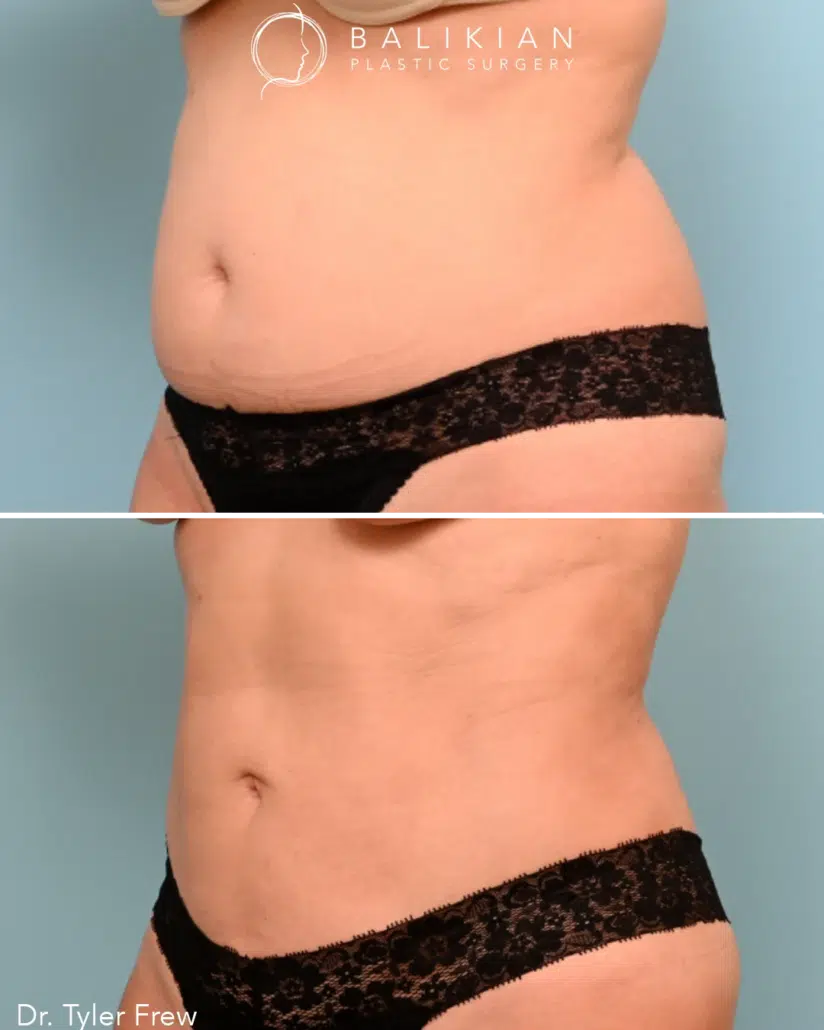
VASER liposuction is selectively used in patients where enhanced precision may support more refined contour outcomes.
VASER may be considered for patients who:
It is not required for every patient. The technique is selected based on individual anatomy and the broader surgical plan.
VASER is not a skin tightening procedure.
While some patients may experience mild tissue contraction, significant skin laxity typically requires procedures such as a tummy tuck or skin excision to achieve optimal improvement.
Skin quality plays a critical role in liposuction outcomes, regardless of technique.
Recovery following VASER assisted liposuction is similar to traditional liposuction and depends on the number of areas treated.
Most patients experience:
Light activity is encouraged early, while more strenuous exercise is resumed gradually.
In select cases, photobiomodulation therapy may be incorporated into the postoperative recovery plan.
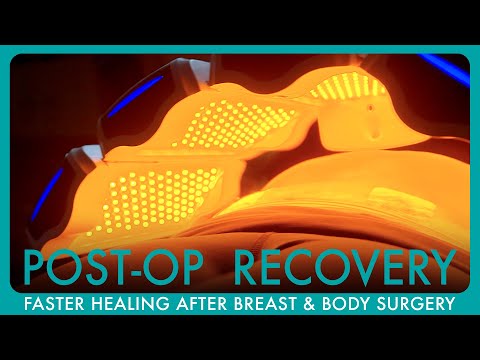
This noninvasive light based therapy uses specific wavelengths to support cellular activity and tissue repair.
Photobiomodulation is designed to:
While not required for every patient, this therapy may be used as part of a comprehensive recovery protocol focused on optimizing healing and supporting refined contour results.
VASER technology is one component of a broader contouring strategy. It does not replace careful planning, proportion analysis, or surgical experience.
The goal of any liposuction procedure is to create smooth, balanced contours that appear natural and proportional. Whether this is achieved with traditional liposuction or ultrasound assisted liposuction depends on what will produce the most predictable and refined outcome for each individual patient.
A consultation allows for detailed evaluation and selection of the technique best aligned with the patient’s anatomy and goals.
Is VASER liposuction the same as ultrasound assisted liposuction?
Yes. VASER is a type of ultrasound assisted liposuction that uses ultrasound energy to help disrupt fat cells before suction removal.
Is VASER liposuction safe?
When performed by an experienced, board certified plastic surgeon in properly selected patients, ultrasound assisted liposuction is generally considered safe. Large scale data suggest that liposuction overall has a low complication rate, and published studies support the safe use of third generation ultrasound assisted systems.
Does VASER reduce bruising or blood loss?
Ultrasound assisted liposuction is commonly used because it can improve fat emulsification and may reduce tissue trauma in some settings. Some studies describe favorable postoperative recovery patterns, though outcomes vary based on technique, treatment area, and surgical plan.
Does VASER tighten skin?
VASER is not a dedicated skin tightening procedure. Some clinical literature discusses skin related effects and postoperative skin biomechanical changes after ultrasound assisted liposuction, but the amount of tightening is variable and depends heavily on baseline skin quality. Patients with significant laxity typically need skin excision procedures for meaningful tightening.
What are the most common risks or complications with ultrasound assisted liposuction?
Published complication profiles for ultrasound assisted and traditional liposuction commonly include issues such as seroma, contour irregularity, infection, bleeding and temporary sensory changes. Overall complication rates reported in large datasets for liposuction alone are low, but risk increases with surgical complexity, patient factors, and extent of treatment.
Is VASER better than traditional liposuction?
VASER is not automatically better for every patient. Evidence and expert consensus generally frame ultrasound assisted liposuction as a tool that can complement suction assisted techniques, particularly when refined contouring or treatment of more fibrous fat is desired. The best approach depends on anatomy, skin quality and goals.
Can VASER be combined with other procedures?
Yes. Clinical literature supports the use of third generation ultrasound assisted liposuction alone or in combination with other plastic surgery procedures when patients are appropriately selected and safety planning is prioritized.
Does VASER improve fat grafting quality?
Some laboratory and translational research has evaluated how ultrasound assisted liposuction affects harvested tissue and adipose derived stem cells, which is relevant when fat transfer is being considered. Technique and processing matter, and clinical decisions should be individualized.
Dr. Shain Cuber is a breast & body plastic surgeon specializing in aesthetic surgery of the breast and body.
With more than 20 years of surgical experience, he is known for creating natural-looking results through breast enhancement, tummy tuck, liposuction, Mommy Makeover and body-contouring procedures.
Dr. Cuber combines meticulous surgical technique with attentive, patient-focused care, helping each individual feel confident and comfortable throughout their surgical journey.

 Mommy Makeover vs Tummy Tuck | What’s the Difference