Eyelid Surgery That Restores a Natural, Well-Rested Appearance
A precision, anatomy-based approach to upper and lower blepharoplasty that preserves structure and avoids the hollow, overdone look
A precision, anatomy-based approach to upper and lower blepharoplasty that preserves structure and avoids the hollow, overdone look
Performed by Dr. Richard Balikian, a Double Board-Certified Facial Plastic Surgeon specializing exclusively in facial rejuvenation.

A tired or heavy appearance around the eyes is rarely caused by skin alone. Changes in skin, muscle tone, and fat positioning all contribute to under-eye bags, eyelid heaviness, and a loss of definition over time.
Blepharoplasty, or eyelid surgery, is a precise, anatomy-based procedure designed to restore balance to the upper and lower eyelids. Rather than focusing on aggressive removal, modern techniques emphasize preserving and repositioning tissue to maintain natural contour and expression.
Dr. Richard Balikian is a double board-certified facial plastic surgeon specializing exclusively in facial rejuvenation, with an approach grounded in precision, nuance, and a deep understanding of facial anatomy.
Many patients assume that tired-looking eyes are caused by excess skin. In reality, the appearance of the eyelids is influenced by multiple structural factors.
Treating only one layer often leads to unnatural results. A comprehensive approach considers how all of these structures interact to restore a more refreshed appearance.
Traditional approaches to eyelid surgery often relied on removing skin and fat. While this can reduce puffiness, it can also lead to hollowing, over-tightening, or changes in the natural shape of the eye.
Dr. Balikian’s approach focuses on restoring balance rather than removing volume.
This preservation-focused philosophy emphasizes restraint and precision, allowing for results that appear refreshed rather than operated on.
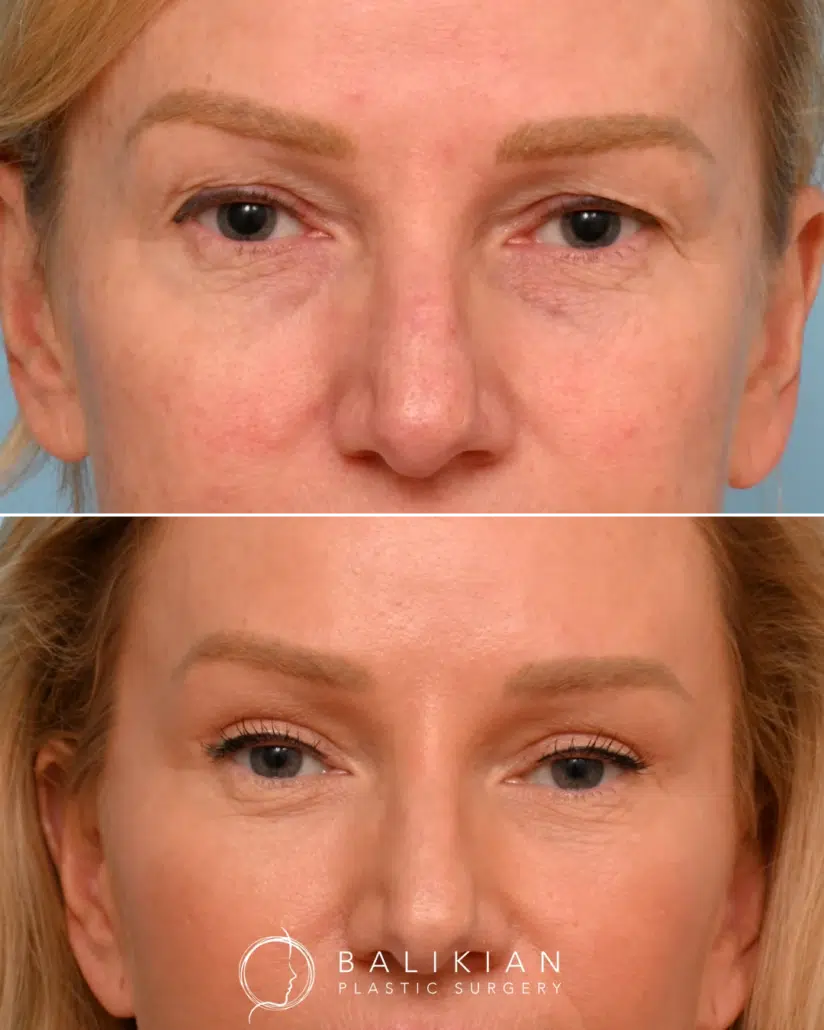
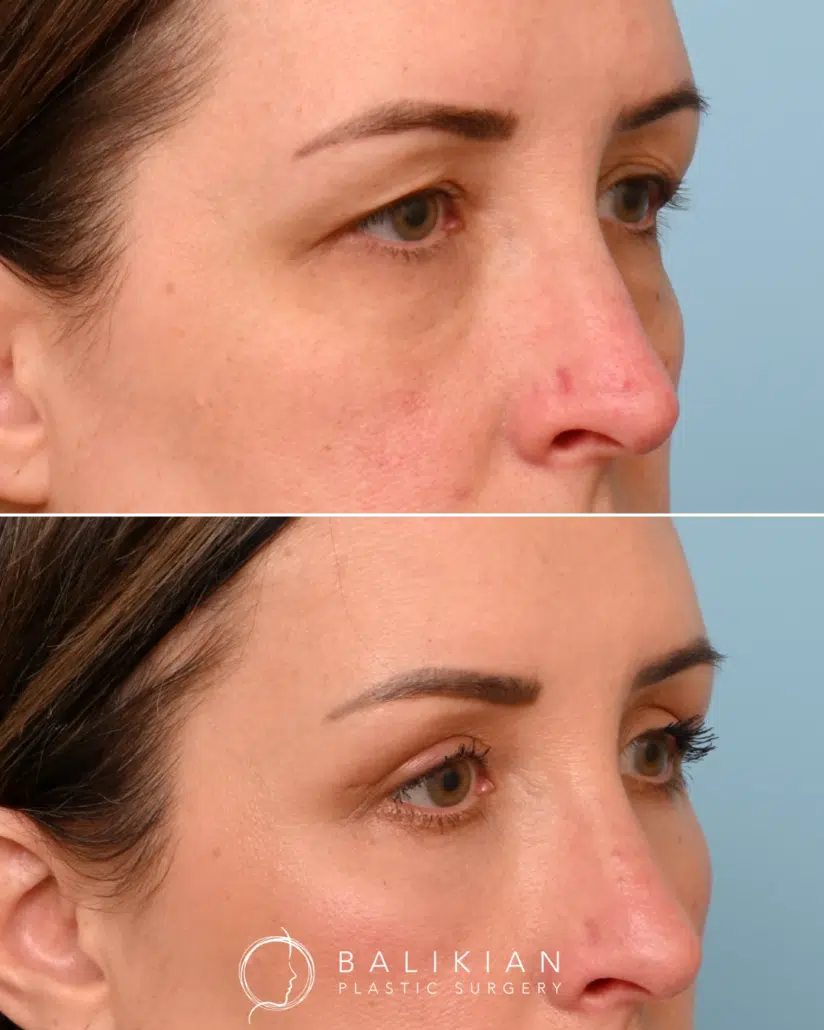
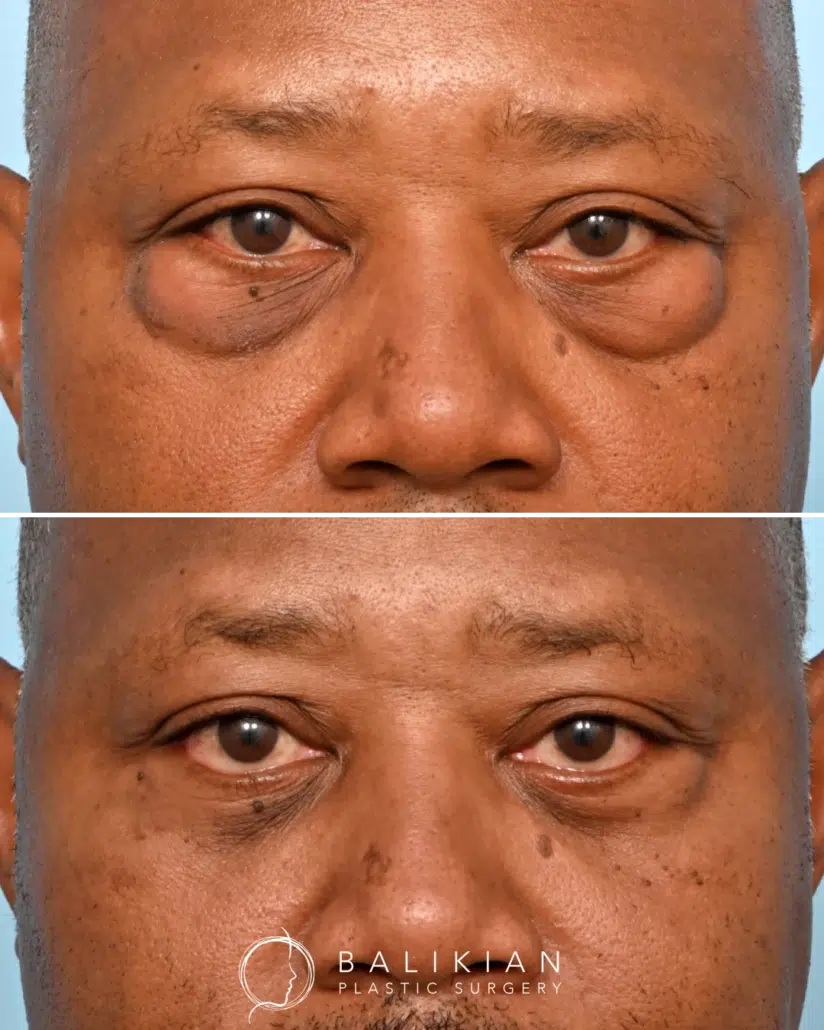
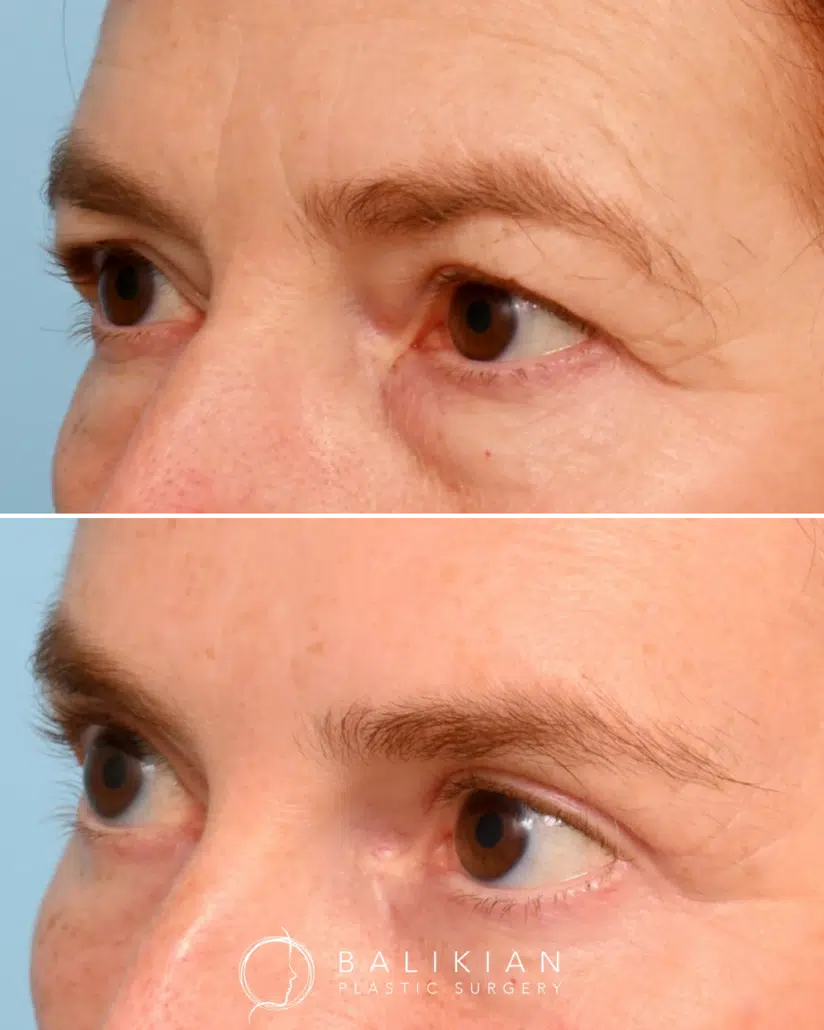
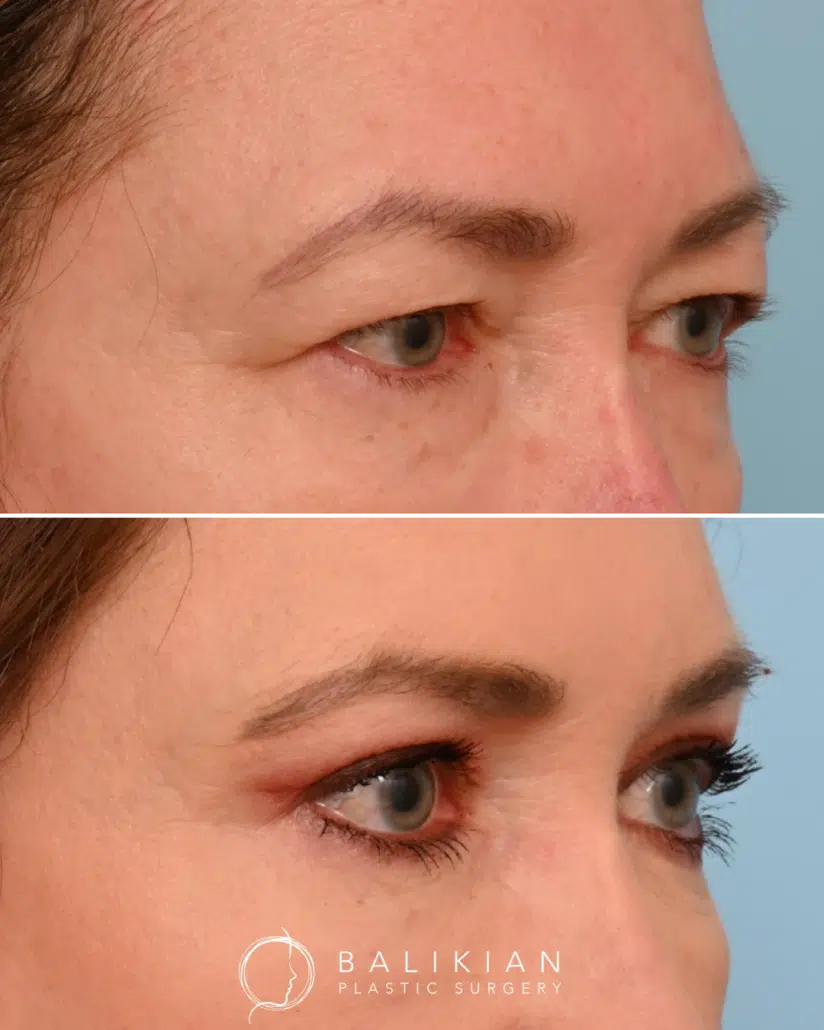
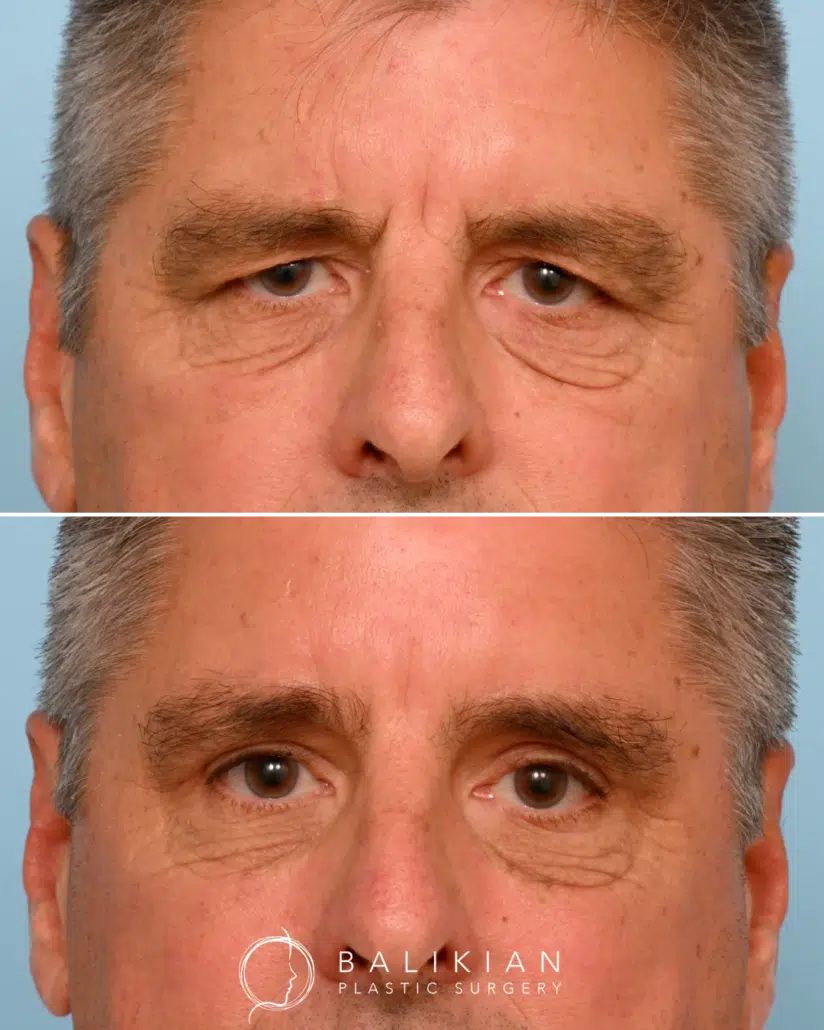
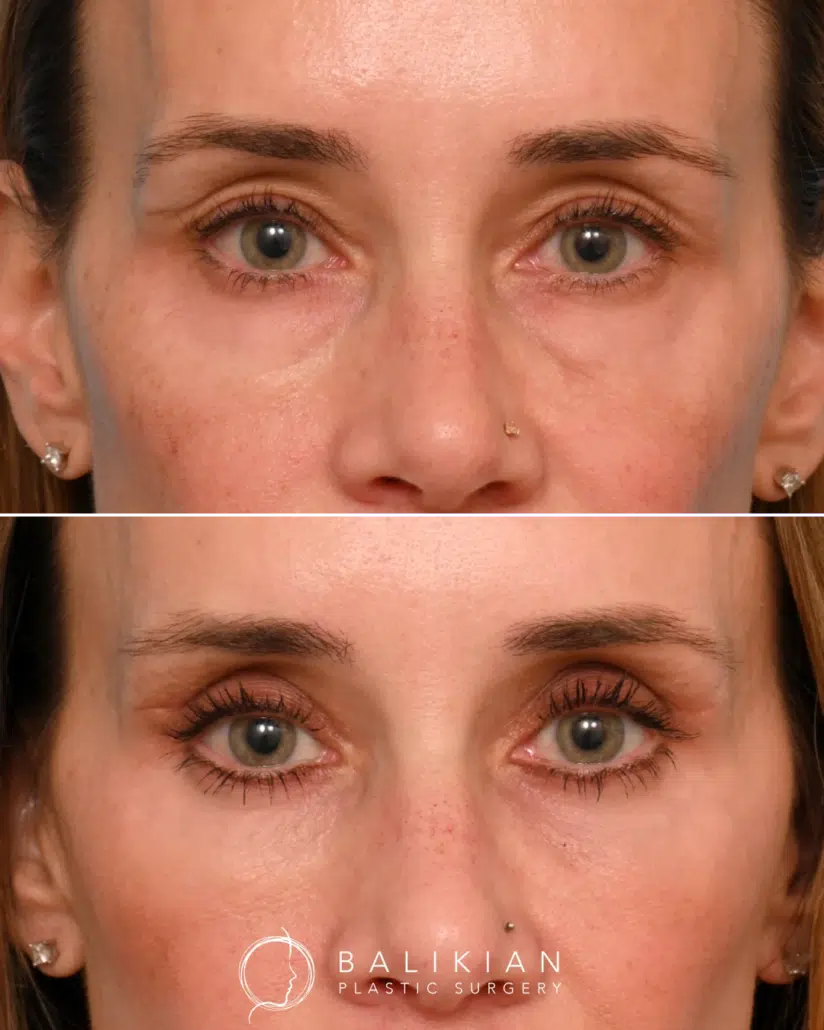
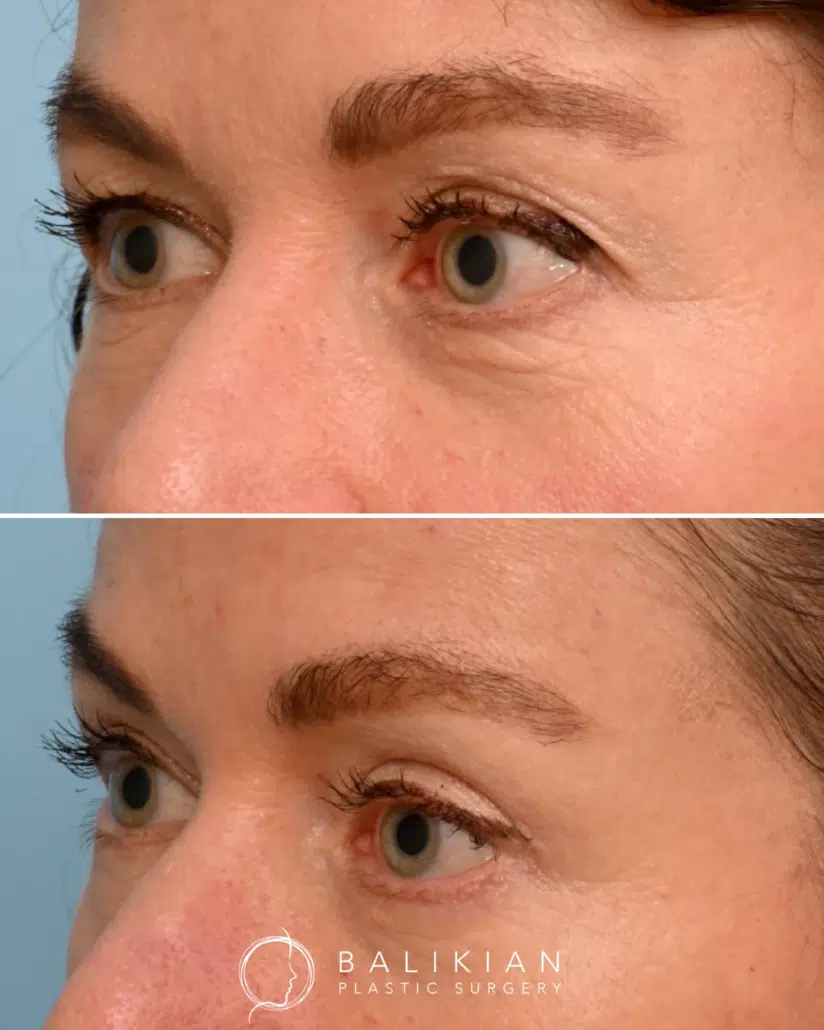
Each procedure is customized based on your anatomy and goals. Subtle differences in structure can significantly influence the best approach, which is why eyelid surgery requires careful evaluation and restraint.
By tailoring the technique to the individual, it is possible to enhance the eyes while preserving their natural contour, achieving results that feel balanced and refined rather than overcorrected.
Upper blepharoplasty addresses excess skin and fullness of the upper eyelids, helping to reduce a tired or heavy appearance. In some cases, it can also improve vision affected by sagging skin.
Incisions are carefully placed within the natural eyelid crease, allowing for discreet healing and a result that blends naturally with the surrounding anatomy.
Lower blepharoplasty addresses under-eye bags, puffiness, and contour irregularities that can contribute to a tired appearance. These changes are often related to shifts in fat and support beneath the eyelid.
Rather than simply removing fat, it is carefully preserved or repositioned to smooth the transition between the eyelid and cheek, creating a more natural and balanced result.
These advanced techniques allow for a more refined, anatomy-based approach to eyelid surgery. By selecting the appropriate method for each patient, the goal is to restore balance while preserving the natural contour of the eyes.
Each technique is selected based on individual anatomy to achieve balanced, long-lasting results.
Blepharoplasty is typically performed under local anesthesia with sedation and is completed as an outpatient procedure.
For upper eyelids, incisions are placed within the natural crease. For lower eyelids, incisions are either placed along the lash line or inside the eyelid.

During surgery, Dr. Balikian evaluates each layer of the eyelid. Fat is preserved or repositioned when appropriate, muscle support is refined, and only the necessary amount of skin is addressed. This layered approach allows for precise correction while maintaining the natural structure of the eye.
Recovery is typically well-tolerated and follows a predictable healing process.
Initial Recovery
Mild swelling, bruising, and tightness are expected in the first several days. Cold compresses and prescribed ointments help minimize discomfort.
Return to Normal Activities
Most swelling and bruising resolve within the first couple of weeks, with continued refinement as healing progresses.
Long-Term Results
Results are long-lasting, often maintaining improvement for 10 to 15 years or more. Incisions are discreet and fade over time.
Every patient presents differently, and subtle variations in anatomy can influence the best approach. A personalized evaluation ensures that treatment is tailored with precision and restraint.
You may be a candidate for blepharoplasty if you:
A consultation allows for a detailed evaluation of your anatomy and goals to determine the most appropriate approach.
Can I drive home after surgery?
No. You’ll need someone to drive you, as anesthesia will affect your ability to operate a vehicle.
When can I return to work?
Most patients return to work within 7 to 10 days, depending on job requirements.
When can I wear makeup again?
Makeup can usually be applied after 10 to 14 days.
How long do results last?
Typically 10 to 15 years, though the natural aging process will continue.
What is the difference between upper and lower blepharoplasty?
Upper blepharoplasty reduces hooded skin and can improve visual field when skin hangs over the lashes.
Lower blepharoplasty treats under-eye bags and hollows with fat removal or fat repositioning and conservative skin tightening.
Will it change my eye shape?
The goal is a natural, rested look that keeps your eye shape and expression. Proper technique preserves your unique features.
Can blepharoplasty improve vision?
Upper eyelid surgery can improve peripheral vision if heavy skin is blocking the line of sight. Your exam may include a visual field test.
What about non-surgical options?
Skin care, neuromodulators, light peels, lasers, and tear trough filler can help fine lines and mild hollowing. They cannot remove true excess skin or significant fat pads.
Where are the incisions and will I have scars?
Upper lid incisions hide in the natural crease. Lower lid incisions can be inside the eyelid (transconjunctival, no external scar) or just under the lashes. Scars usually fade to thin lines.
Will it fix crow’s feet or forehead lines?
Not directly. Those lines respond better to neuromodulators, lasers, or resurfacing. These can be combined with surgery for a more complete result.
What is fat repositioning and why use it?
Instead of removing all under-eye fat, your surgeon can shift fat to fill hollows and smooth the lid-cheek junction. This often looks more natural than simple removal.
Can blepharoplasty be combined with other procedures?
Yes. Common pairings include brow lift, fat grafting, laser resurfacing, or facelift to balance the upper and lower face and shorten overall downtime.
How much does it cost?
Pricing depends on upper versus lower lids, technique, anesthesia, and combinations. You will receive a personalized quote after consultation. Financing options are often available.
Dr. Richard Balikian is a renowned facial plastic surgeon known for his dedication to patients throughout Southern California.
With more than two decades of experience and double board certification in Facial Plastic and Reconstructive Surgery and Otolaryngology – Head and Neck Surgery, he brings together surgical precision and an artist’s eye.
Dr. Balikian is among a select group of specialists whose advanced training is devoted entirely to procedures of the face and neck.
Patients choose Dr. Richard Balikian for precision facial procedures, personalized care and results that look naturally you.