Breast Reduction Surgery
For many patients, breast surgery is not about adding volume. It is about removing weight.
For many patients, breast surgery is not about adding volume. It is about removing weight.
Overly large breasts can create constant strain on the body. Neck pain, shoulder grooving, back discomfort and skin irritation are common, along with limitations in exercise and daily movement.
Breast reduction surgery is designed to relieve that weight while restoring a more balanced, proportional shape.
Dr. Tyler Frew approaches breast reduction by focusing on both function and aesthetics. The goal is not simply to make the breasts smaller, but to create a shape that feels lighter, moves naturally and fits your frame.
Breast reduction is often recommended when breast size begins to affect quality of life.
Patients commonly experience:
Reducing breast size can significantly improve comfort, mobility and day-to-day function.
These procedures are closely related, but they solve different problems.
A breast lift focuses on repositioning the breast and nipple when the primary issue is sagging.
A breast reduction removes excess tissue to reduce weight and volume while also lifting the breast. In most cases, a breast reduction includes a lifting component.
The result is a breast that is:
During your consultation, Dr. Frew determines whether the primary issue is size, position, or a combination of both.
Breast reduction is not about choosing a specific cup size.
Dr. Frew focuses on creating a result that is proportional to your body. Size is treated as a range rather than a fixed number, allowing the final shape to feel natural and balanced.
The goal is to reduce excess weight while maintaining enough volume to preserve a natural contour and avoid a flattened or over-reduced appearance.
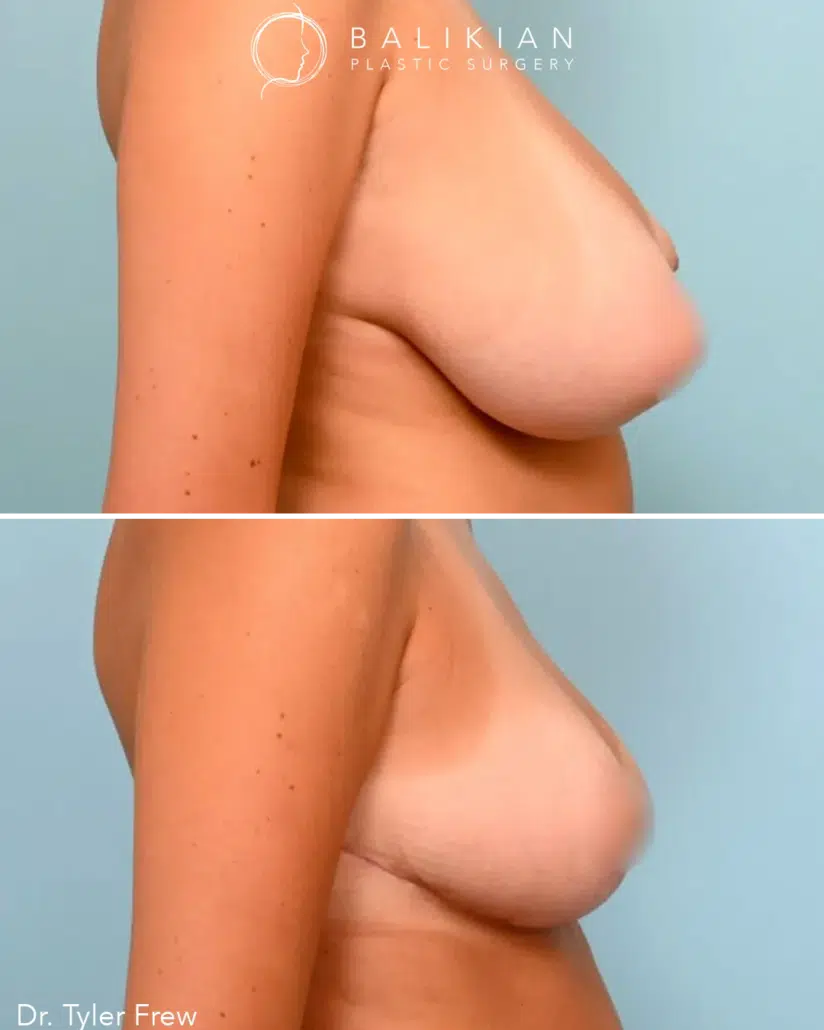
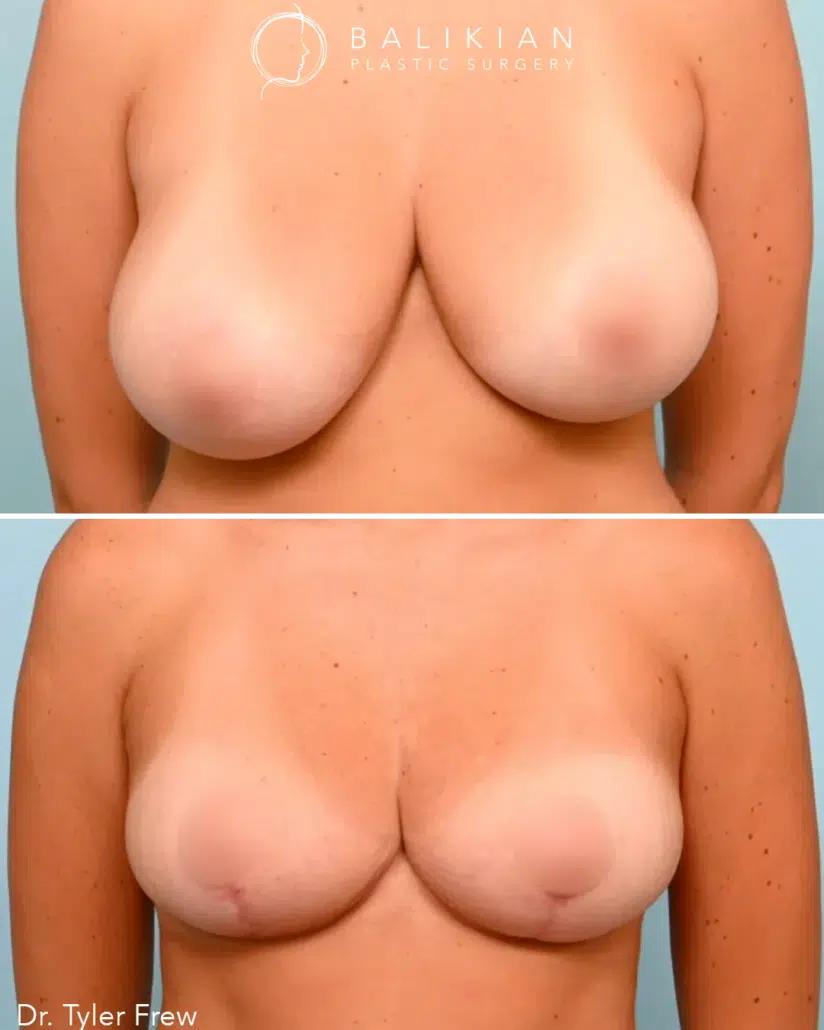
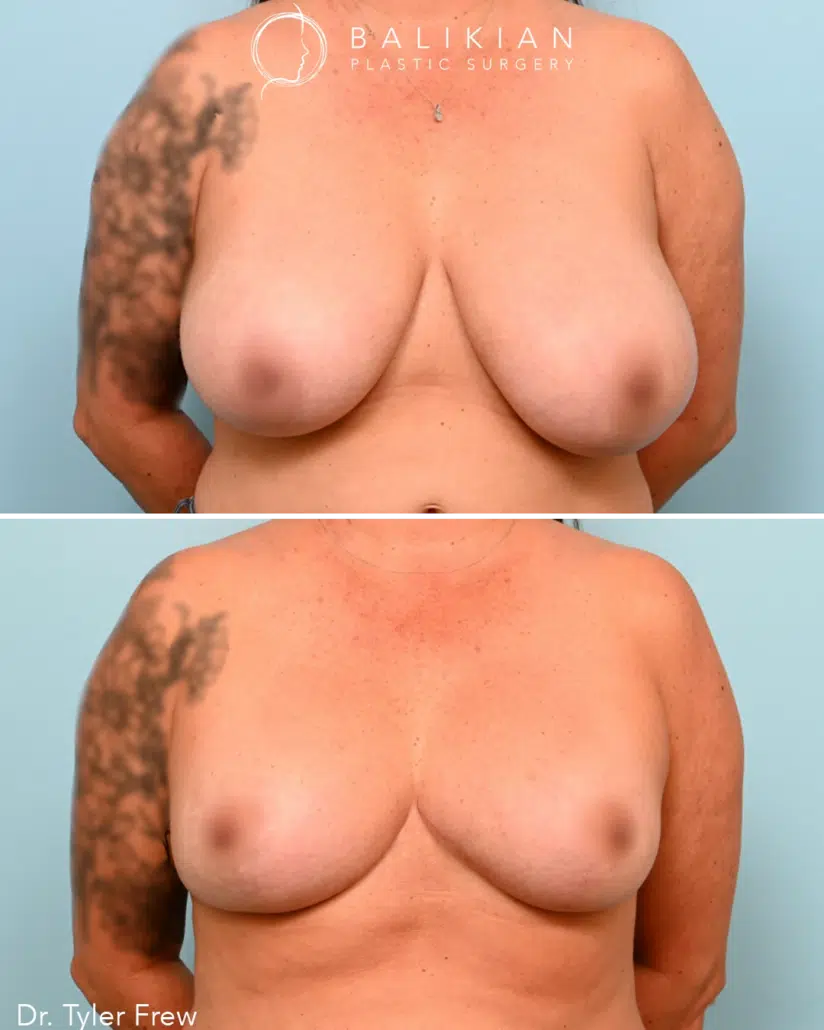
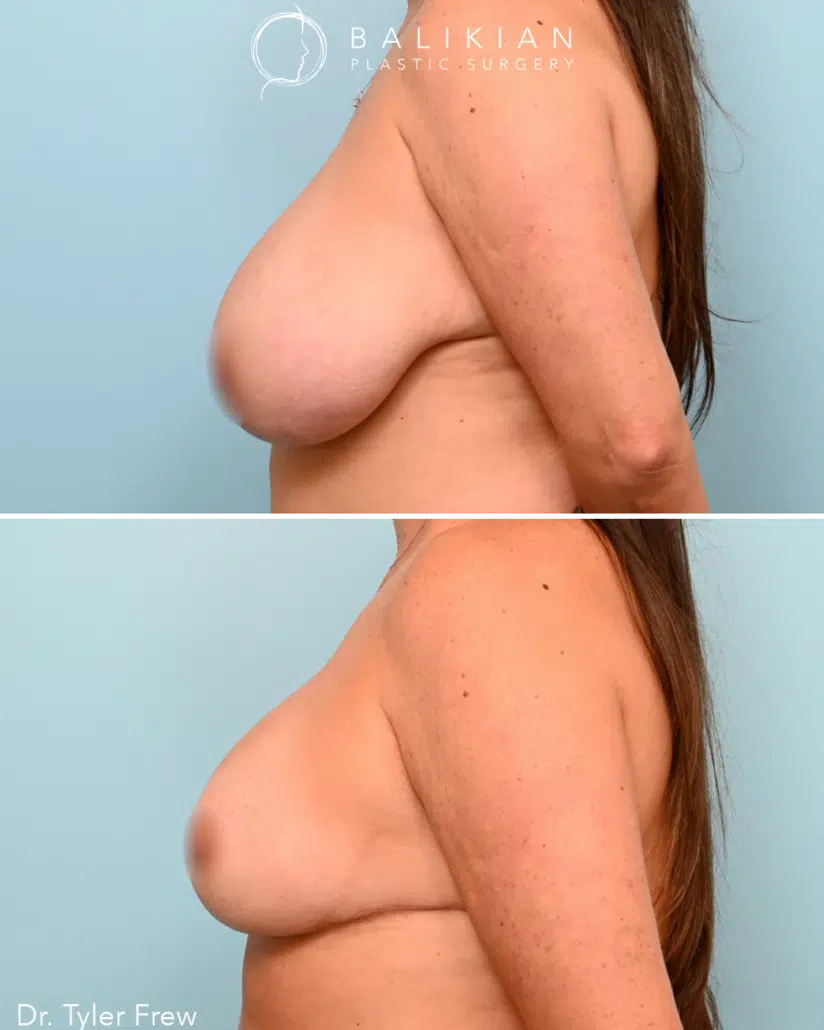
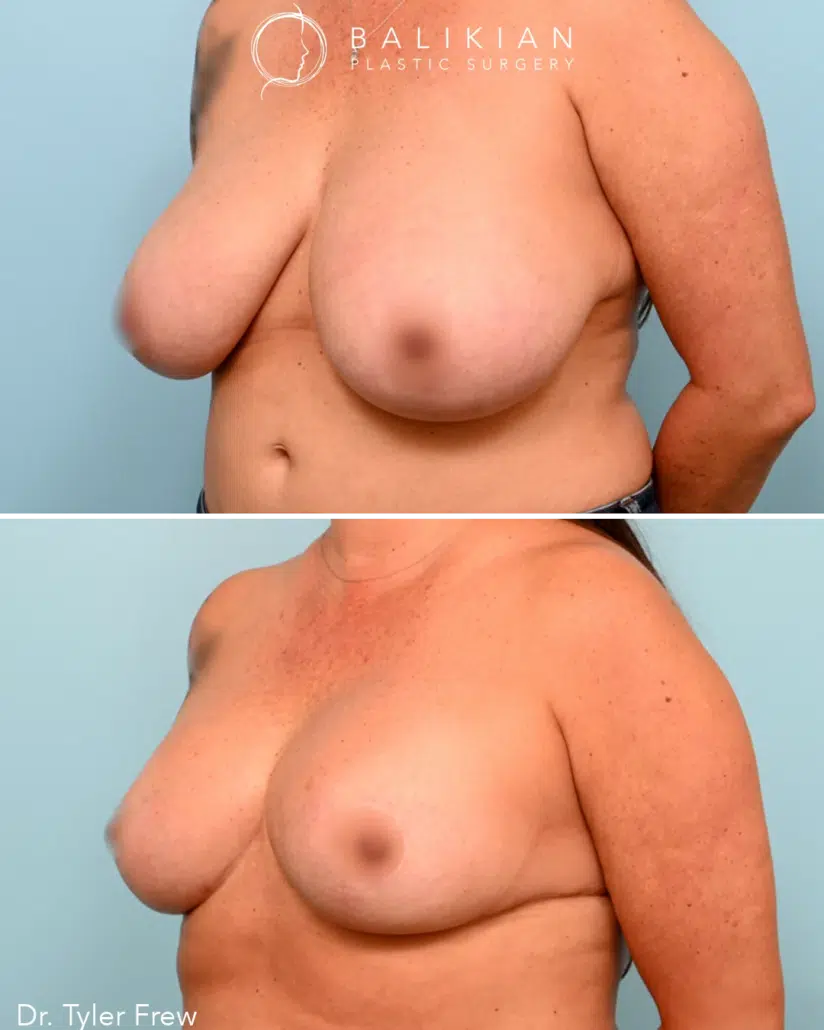
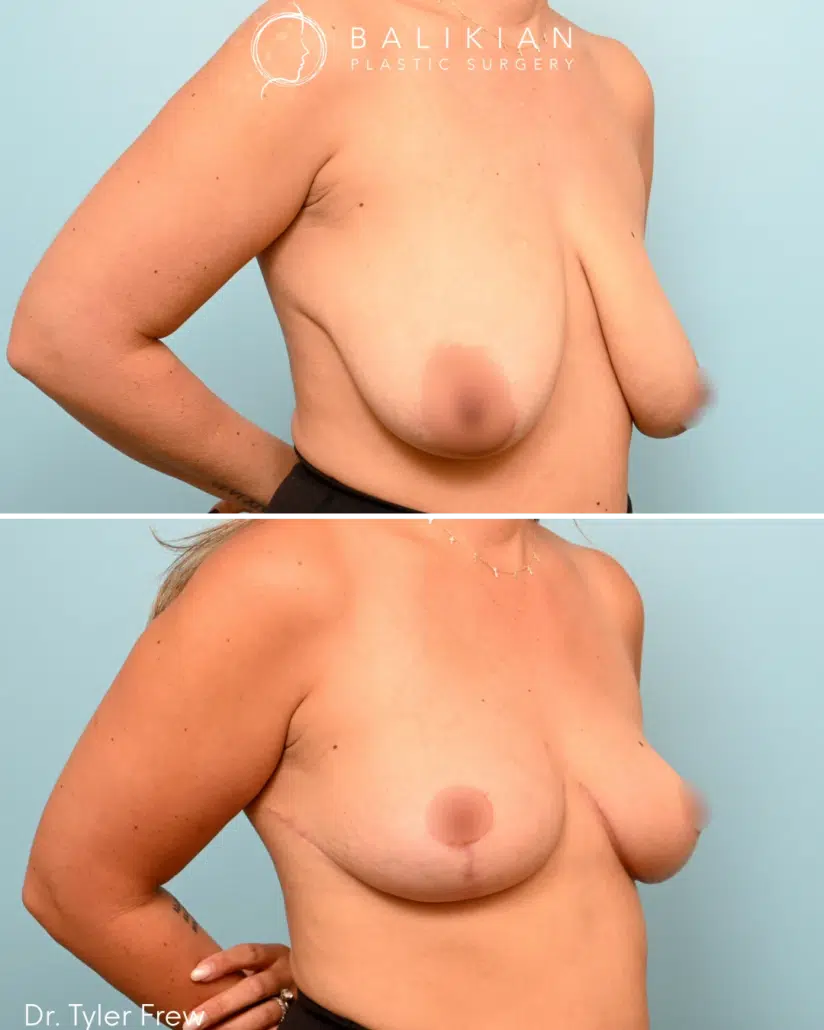
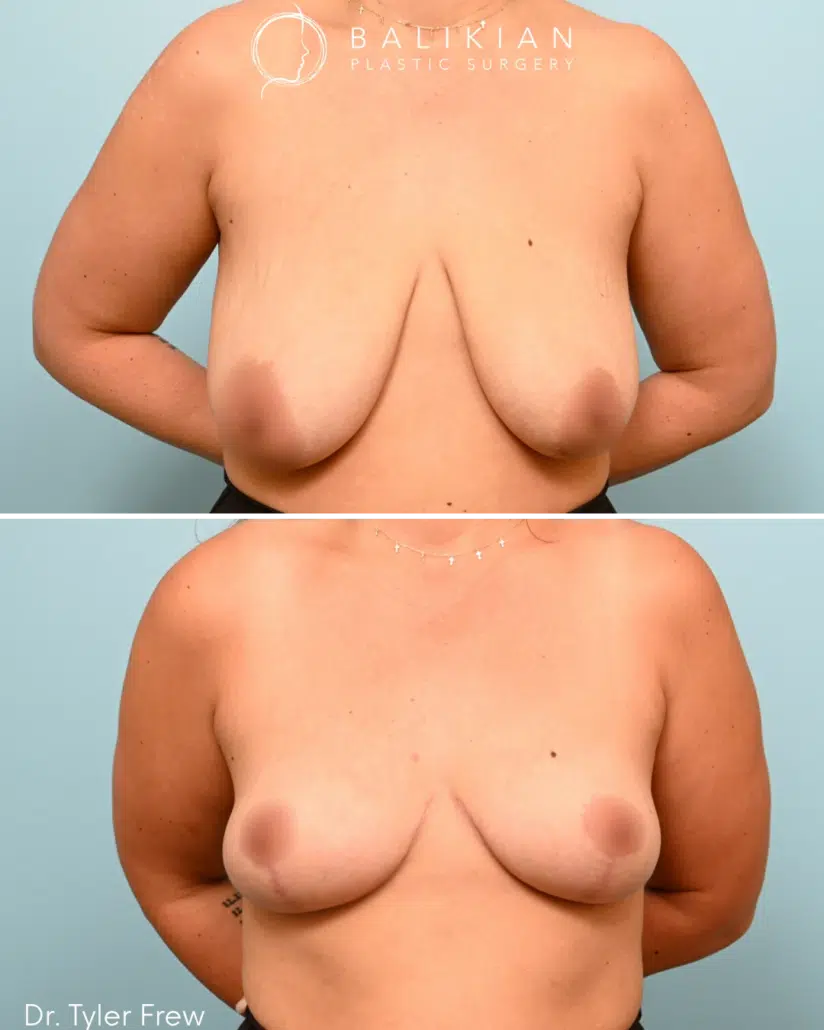
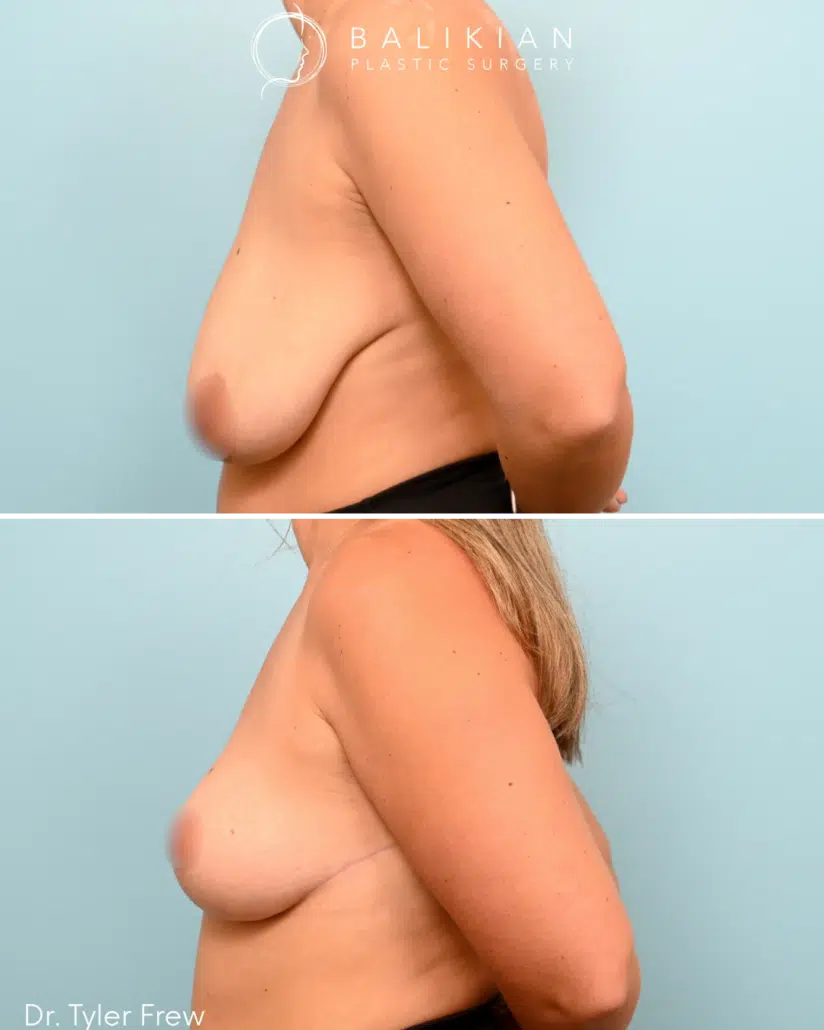
Breast reduction is typically recommended when breast size is causing physical discomfort or limiting daily activity.
You may be a good candidate if you experience:
Candidates should be in good overall health and at a stable weight.
Breast reduction surgery creates both functional and aesthetic improvements.
Patients often notice:
As swelling resolves, the breasts settle into a natural shape that aligns with your frame.
Breast reduction surgery removes excess breast tissue, fat, and skin to create a lighter, more supported breast.
During surgery:
The goal is to create a breast that looks natural, feels lighter and maintains long-term support.
The technique used depends on how much reduction is needed and the existing breast shape.
Dr. Frew selects the approach that best balances shape, support and long-term outcome.
Recovery is gradual and predictable as swelling decreases and the body adjusts to the reduced weight.
Most patients experience:
A supportive bra is worn during recovery, and activity is gradually reintroduced.
Recovery after breast reduction follows a gradual, predictable process as swelling decreases and the body adjusts to its new, lighter shape.
Maintaining a stable weight helps preserve long-term results.
Scars are an expected part of breast reduction surgery and are placed to be as discreet as possible. Over time, they soften and fade.
Temporary changes in sensation can occur as nerves heal. Sensation often improves gradually, though this varies by patient.
To support healing, medical-grade light therapy is incorporated into your recovery plan. Specific wavelengths are used to stimulate cellular activity, reduce inflammation, and help minimize bruising following surgery.
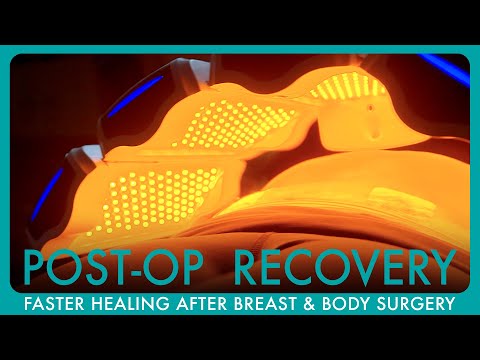
This treatment is brief and comfortable, typically performed during early follow-up visits. It works alongside your surgical aftercare to promote a smoother recovery and support the healing process.
This therapy helps:
Sessions are brief and performed during early follow-up visits, helping create a smoother and more comfortable recovery.
Breast reduction surgery is often life-changing.
By removing excess weight and restoring proportion, patients experience improved comfort, easier movement and greater confidence in how their body feels and functions.
Dr. Frew approaches each procedure with a focus on balance, function and natural-looking results.
What does breast reduction surgery do?
Breast reduction removes excess breast tissue, fat, and skin to create a smaller, lighter breast size and improve shape. Most patients also report meaningful improvement in physical symptoms and daily comfort after surgery.
Will breast reduction relieve neck, back, and shoulder pain?
For many patients, yes. Research consistently shows breast reduction is associated with improved quality of life and reduced symptom burden, including physical discomfort that comes from heaviness.
Is breast reduction considered a “functional” surgery or cosmetic?
It can be either. Some patients pursue reduction for comfort and symptoms, while others want proportional reshaping. From a medical standpoint, the outcomes data supports real quality of life improvement, regardless of the motivation.
What are the most common risks and complications?
The most common issues are wound healing delays, infection, fluid collections, scarring concerns, and changes in nipple sensation. Overall risk varies by anatomy and health factors, which is why I personalize the plan and risk reduction steps.
What increases the risk of complications?
The biggest evidence-backed risk factors include higher BMI and smoking, both of which are associated with higher rates of wound complications after reduction mammaplasty.
Do I need to stop nicotine before surgery?
Yes. Smoking is strongly associated with wound healing problems in breast reduction patients. If you use nicotine in any form, we should treat it as a real risk factor and plan accordingly.
Can I still breastfeed after a breast reduction?
Sometimes, but it is not guaranteed. A systematic review found breastfeeding outcomes vary widely and depend on factors like how much glandular tissue is preserved and the surgical technique used. If future breastfeeding is important to you, that needs to be part of the surgical planning conversation.
Will I lose nipple sensation?
Temporary numbness is common early on. Long-term sensation changes can occur, but the risk depends on anatomy, how much reduction is needed, and technique. Large studies and recent reviews discuss sensation change as a known outcome to plan for, not a surprise.
What incision patterns are typically used?
Most reductions use either a vertical pattern or an inverted T pattern. The best option depends on how much tissue needs to be removed, skin quality, and your goals for shape and scarring.
How long is recovery?
Most patients feel progressively better week by week, with the biggest improvement in comfort and mobility often noticeable within the first month. Final shape and scar maturation continue to improve for months. Long-term outcomes data supports durable benefits.
Do antibiotics matter for reducing infection risk?
Evidence supports the role of perioperative antibiotic prophylaxis in breast reduction surgery as part of infection risk reduction, alongside sterile technique and careful aftercare planning.
Can breast reduction help with confidence and clothing fit?
Yes. Outcomes research using validated patient-reported measures consistently shows improvements in satisfaction, physical well-being, and quality of life after reduction surgery.
Dr. Tyler Frew is a board-certified plastic and reconstructive surgeon specializing in aesthetic surgery of the breast and body.
He is known for delivering natural-looking results through advanced techniques in breast enhancement, tummy tuck, liposuction, and mommy makeover procedures.
Dr. Frew combines surgical expertise with compassionate, patient-focused care, helping each individual restore confidence and achieve their personal aesthetic goals.
Patients trust Dr. Tyler Frew for his warm, personalized approach, advanced surgical techniques and results that look natural and refined.

Richard V. Balikian, MD, FACS
Double Board-Certified Facial Plastic Surgeon
Shain A. Cuber, MD
Breast & Body Plastic Surgeon


