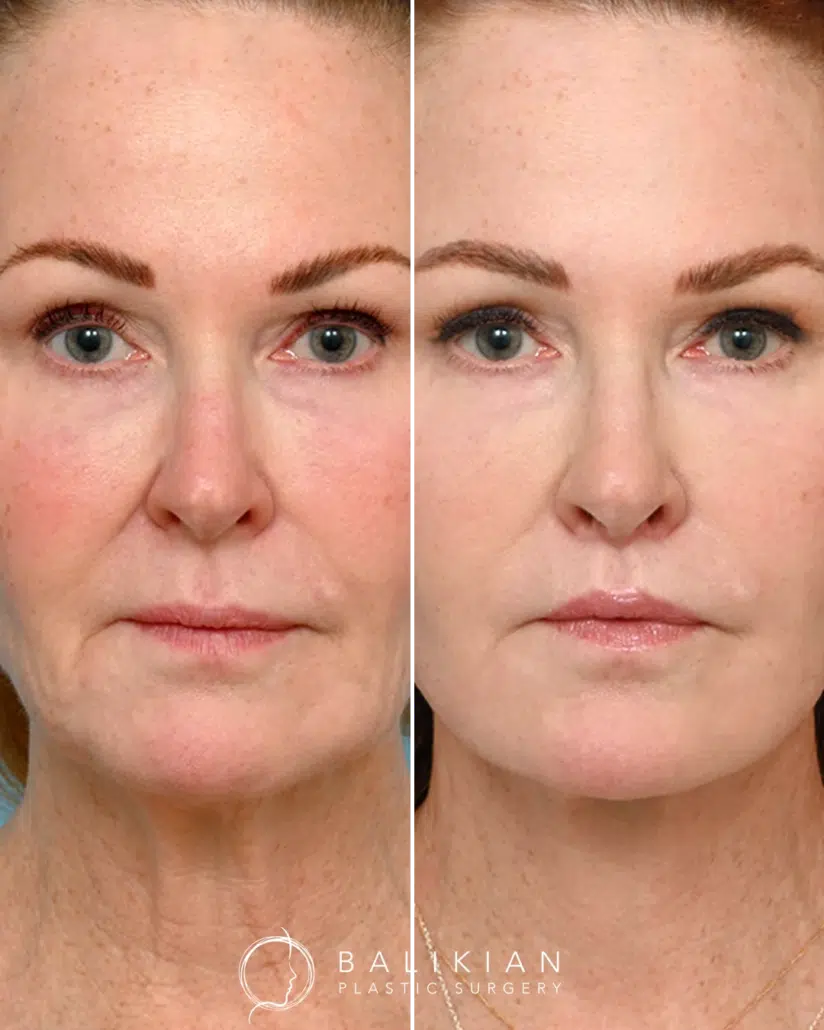
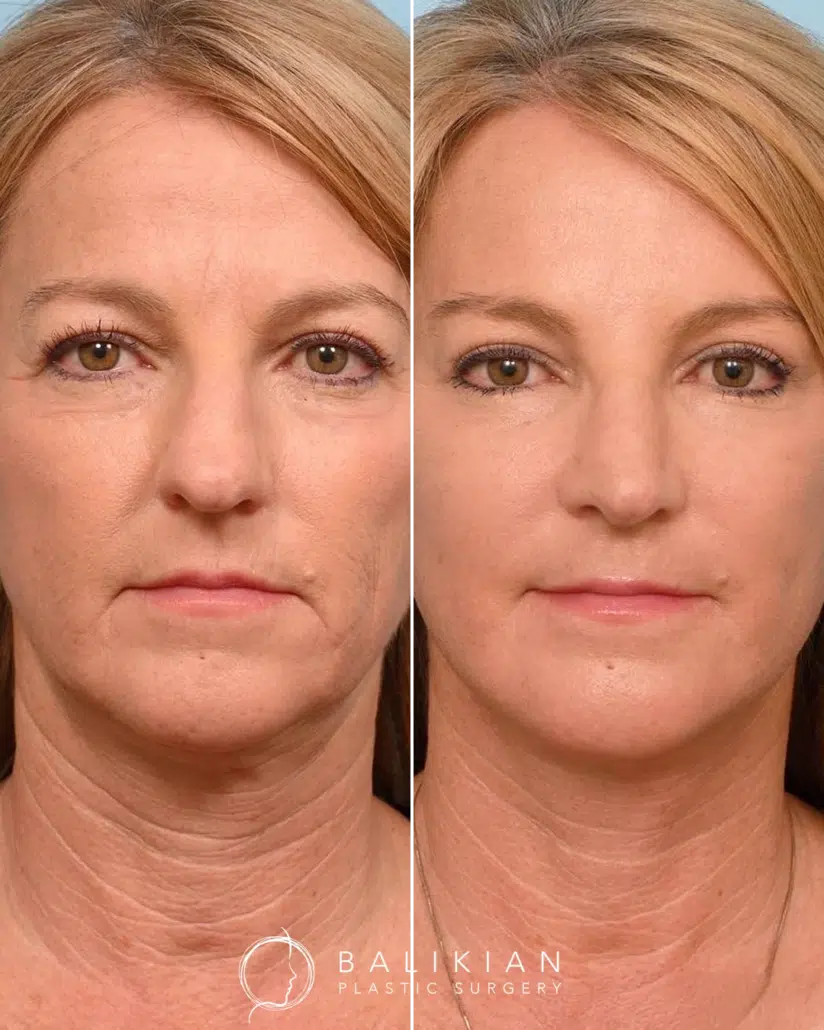
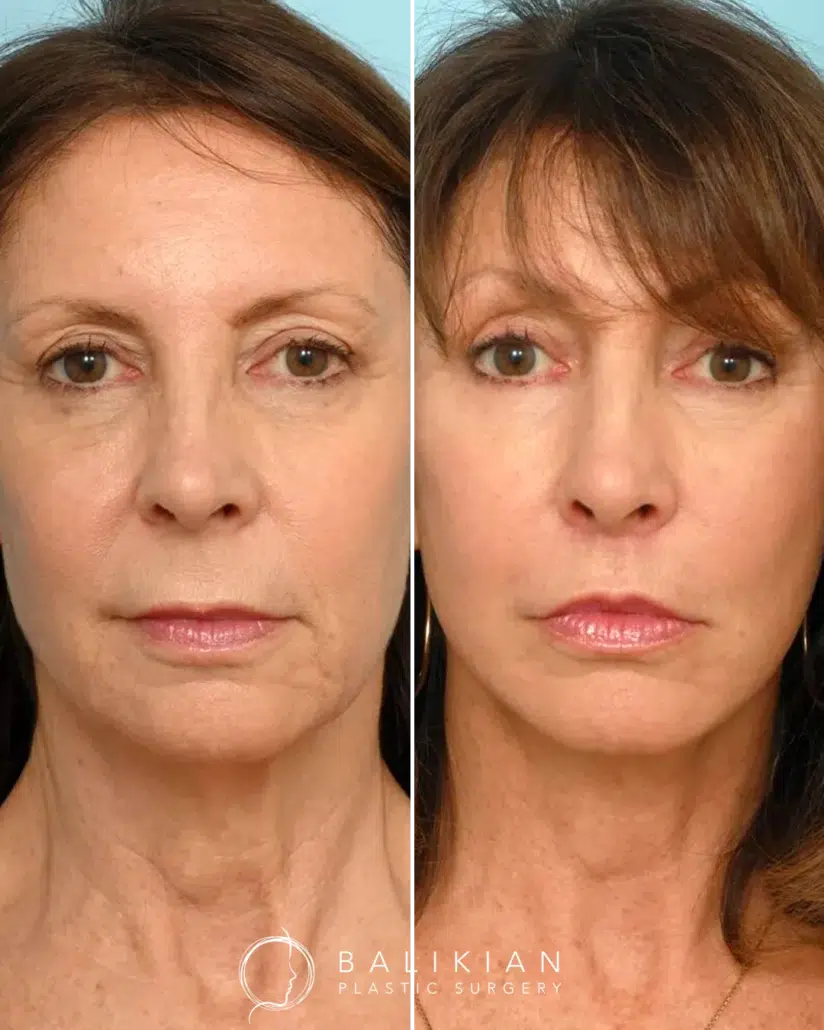
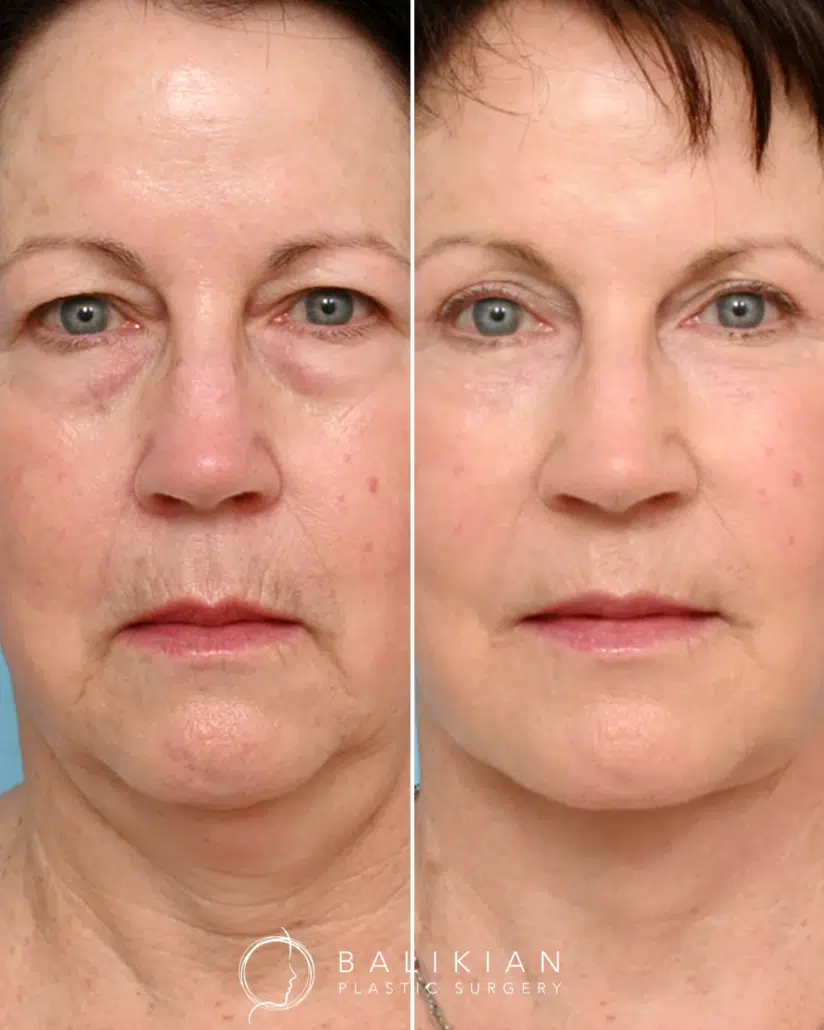
CO₂ Laser Recovery: Plan for Approximately Two Weeks
CO₂ resurfacing requires a greater commitment to recovery than lighter laser treatments.
For more intensive resurfacing, plan for approximately two weeks of social downtime. Your individual recovery may be shorter or longer depending on the treatment depth, the areas treated, and how your skin heals.
The First Several Days
Your skin may feel warm and appear red or swollen. Depending on the treatment, it may also develop a bronzed appearance, crusting, or peeling.
During this stage, follow the cleansing and skin care instructions provided by our team. Do not pick or exfoliate the treated skin.
As the Surface Heals
Peeling gradually resolves and new skin becomes visible. Pinkness can remain after the initial surface healing period.
Our Aesthetic Providers will advise you when it is appropriate to resume makeup, exercise, and your usual skin care products. There is no single day on which every patient will be ready to return to all normal activities.
Over the Following Months
Improvement does not end when the skin finishes peeling.
Collagen remodeling continues over the following months, and the appearance of texture and wrinkles may improve further. Consistent sun protection and an appropriate skin care routine are important for maintaining your results.
Optional Recovery Add-Ons: Exosomes or Ariessence Pure PDGF+
At Balikian Plastic Surgery, your CO₂ resurfacing treatment includes a skin preparation and aftercare plan designed around the depth of your treatment and your individual healing needs.
For patients interested in additional recovery support, we offer exosomes or Ariessence Pure PDGF+ as optional add-on treatments. Our Aesthetic Providers evaluate your skin and treatment plan to determine which option is appropriate for you.
These add-ons are not required for CO₂ resurfacing and are not included in the standard treatment. Your provider will explain the recommended option, its intended role in your recovery plan, and the additional cost before treatment.
Whether or not you choose an add-on, you will receive instructions for caring for your skin and guidance throughout the healing process.
Exosomes
Exosomes are cell-derived signaling particles used in certain aesthetic treatment protocols.
At Balikian Plastic Surgery, they are one of the options used following CO₂ resurfacing.
Ariessence Pure PDGF+
Ariessence Pure PDGF+ is a growth-factor treatment and another option used in the practice’s post-resurfacing recovery protocol.
Neither product replaces the prescribed skin care regimen, sun protection, or follow-up visits. Recovery support is one part of a process that begins before treatment and continues as your skin heals.
Addressing More Than the Skin’s Surface
CO₂ resurfacing can make a meaningful difference in skin texture, but not every visible sign of aging originates at the surface. For example, a patient may have etched wrinkles and also be concerned about skin laxity or crepiness. Improving the surface alone may not address every concern.
In some cases, our Aesthetic Providers may recommend a staged plan that includes CO₂ resurfacing and Sylfirm X radiofrequency microneedling. CO₂ addresses surface texture and wrinkles. Sylfirm X may be considered for concerns involving deeper tissue and skin laxity.
These treatments are not necessarily performed together. Depending on the plan and how the skin heals, Sylfirm X may follow CO₂ after at least a month, and often around three months later. The purpose of a staged approach is to address different concerns at the appropriate time rather than expecting one treatment to do everything.
CO₂ Resurfacing and Facial Surgery
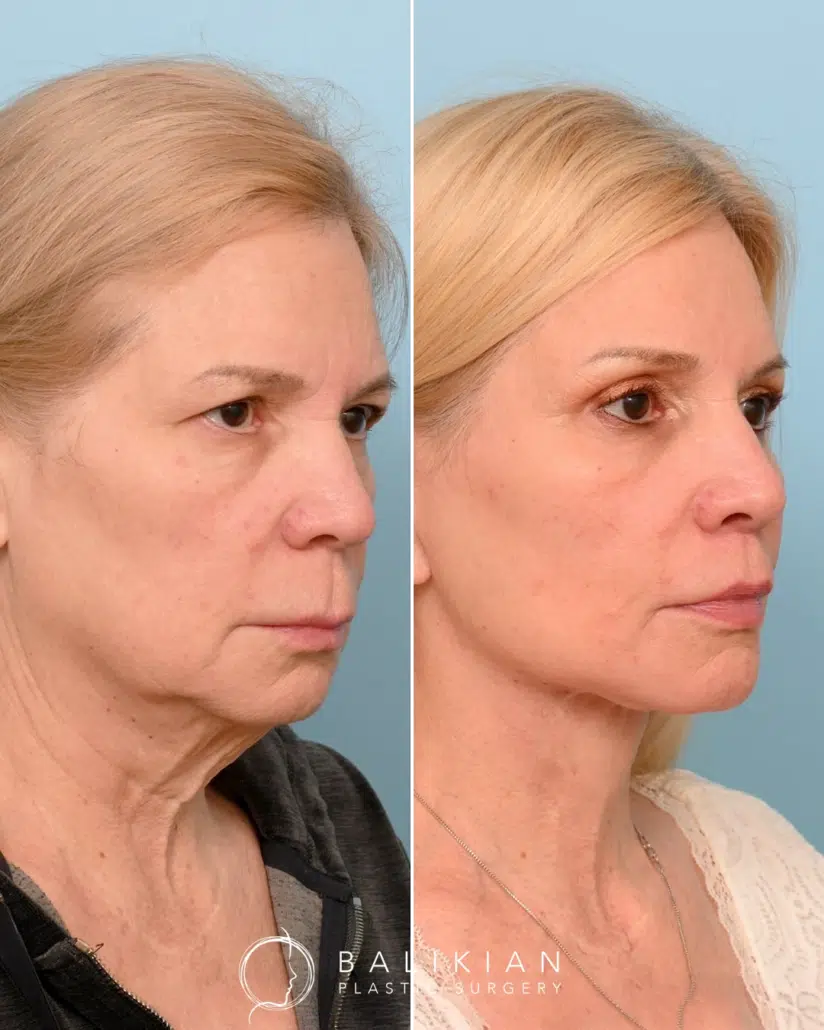
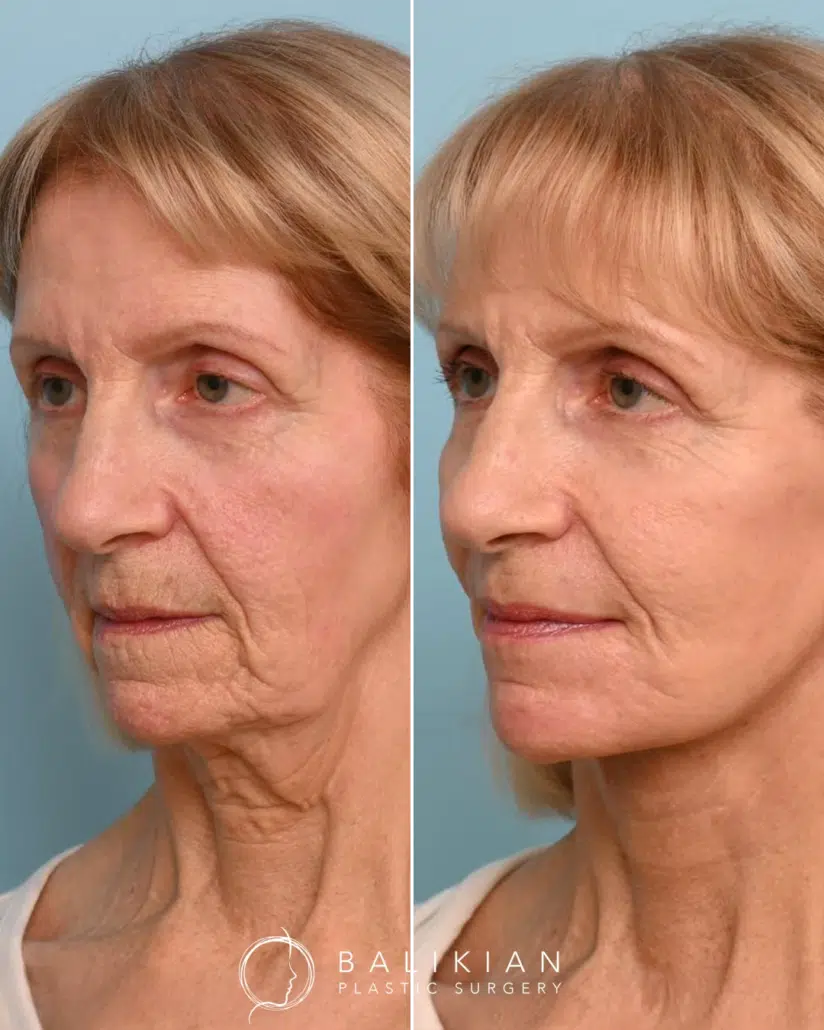
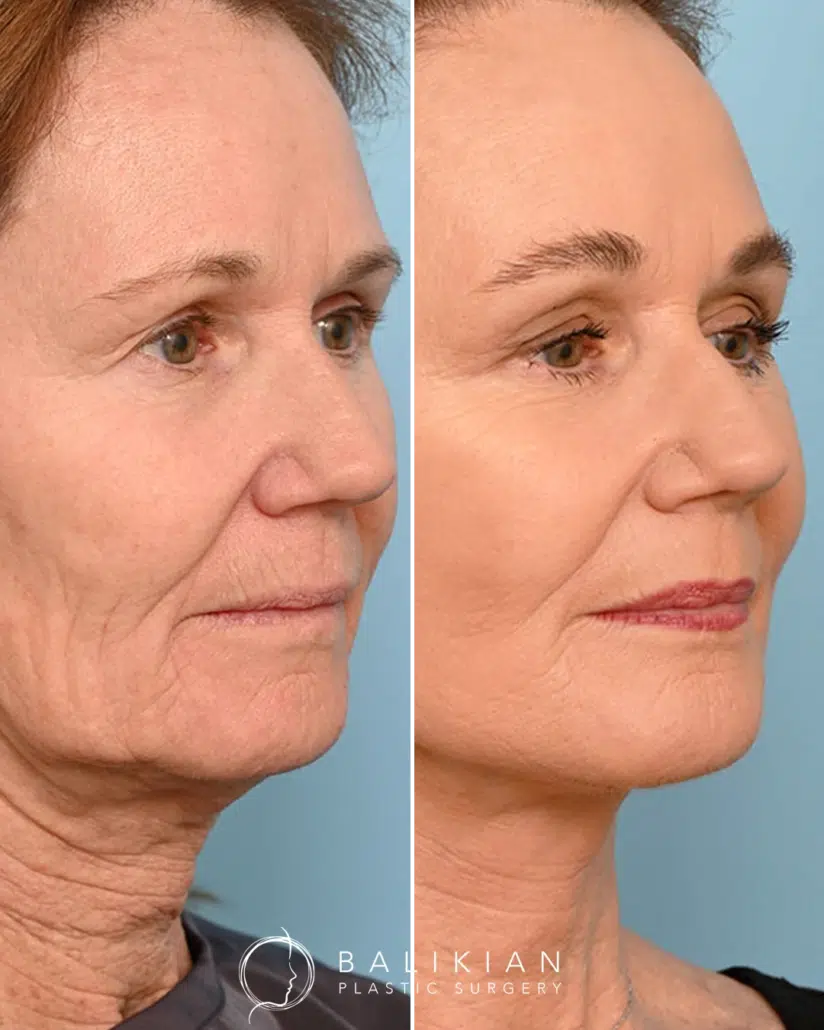
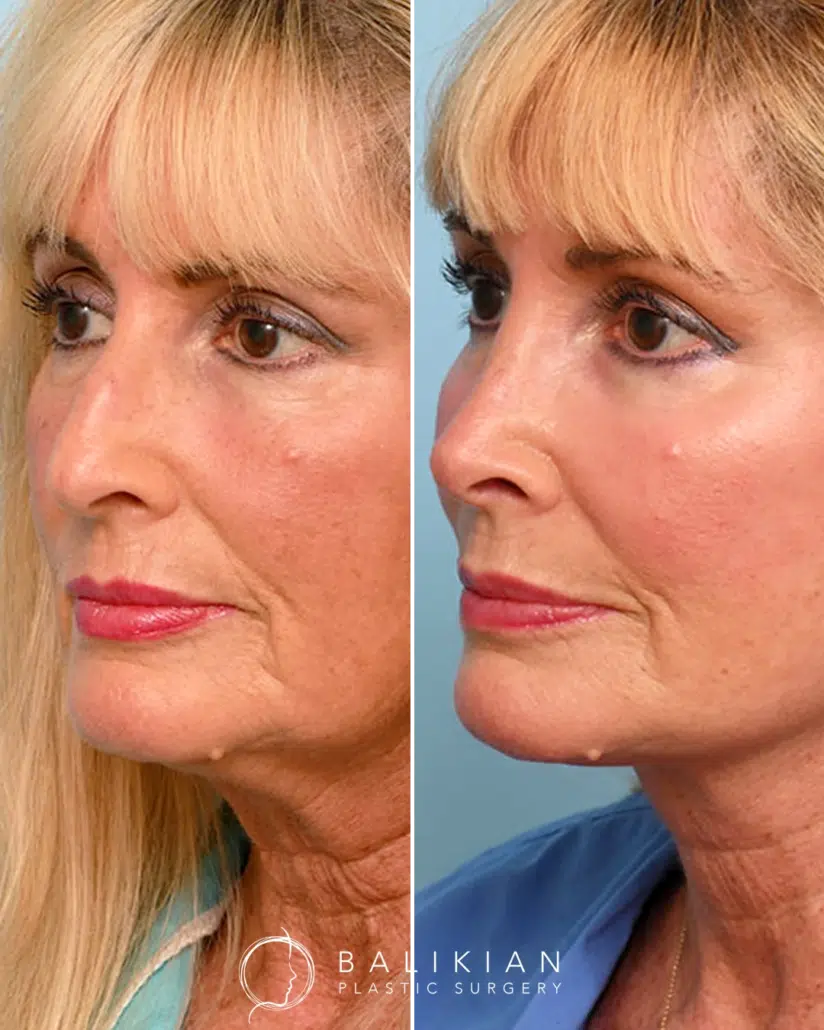
Skin quality and facial structure are also separate considerations. A facelift or neck lift can address changes in underlying facial tissues, while CO₂ resurfacing addresses the appearance of the skin. Eyelid surgery and resurfacing may likewise address different concerns around the eyes.
For patients considering more comprehensive facial rejuvenation, our Aesthetic Providers can coordinate with Dr. Balikian to determine whether resurfacing, surgery, or a combination of procedures is appropriate.
CO₂ resurfacing does not replace surgery when the primary concern is significant tissue descent. Likewise, surgery alone may not address deeply etched surface wrinkles or sun-damaged skin.