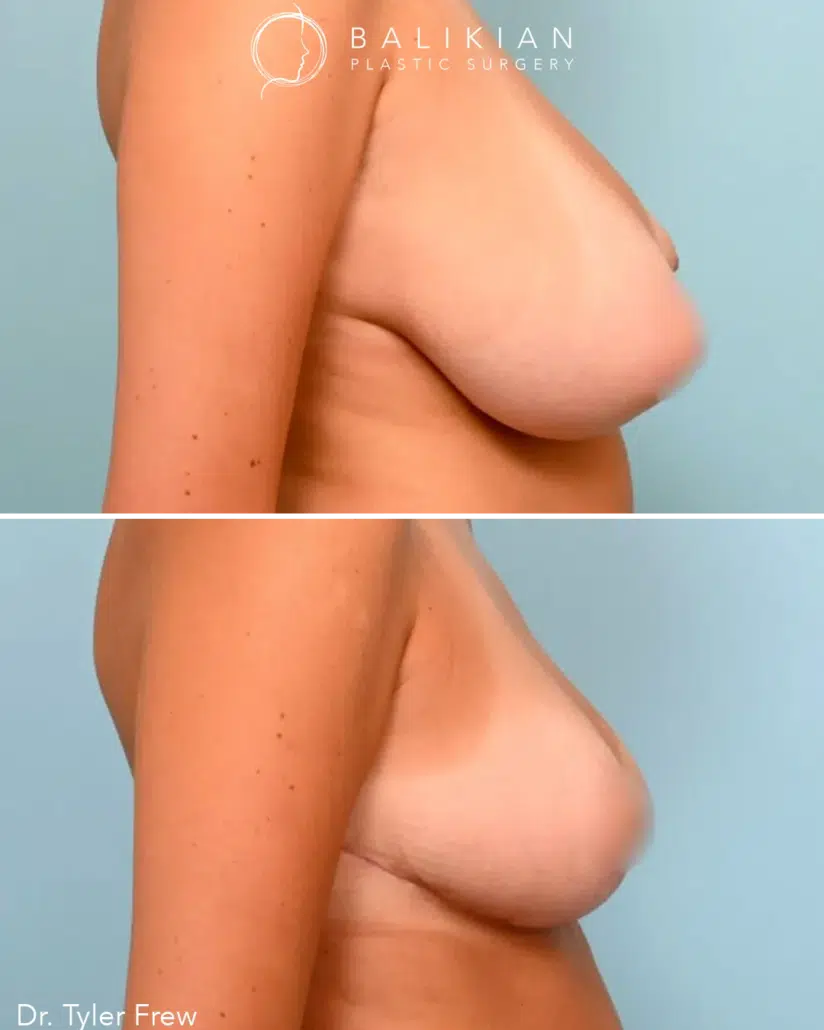
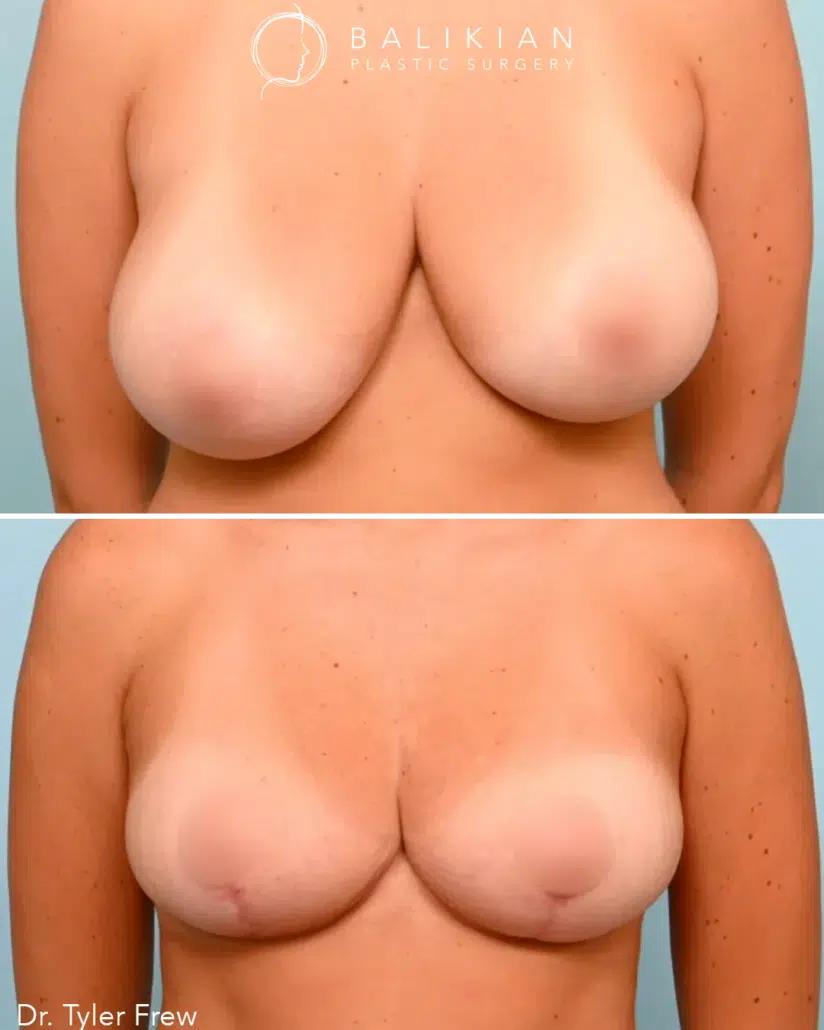
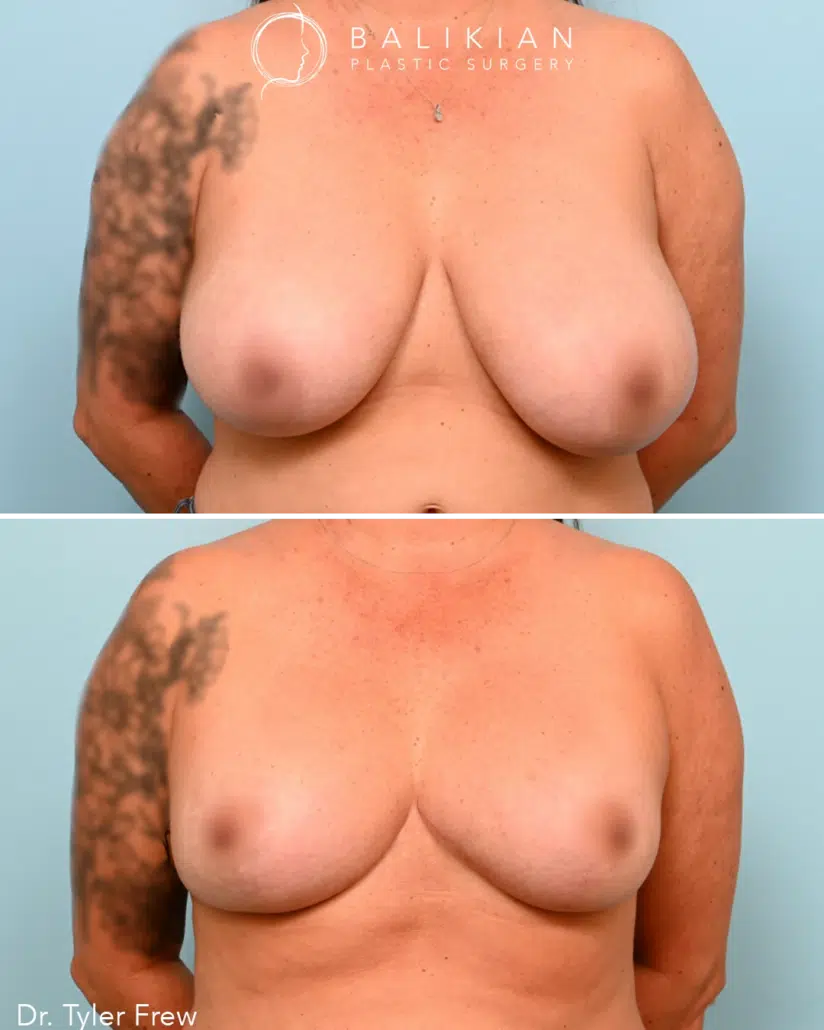
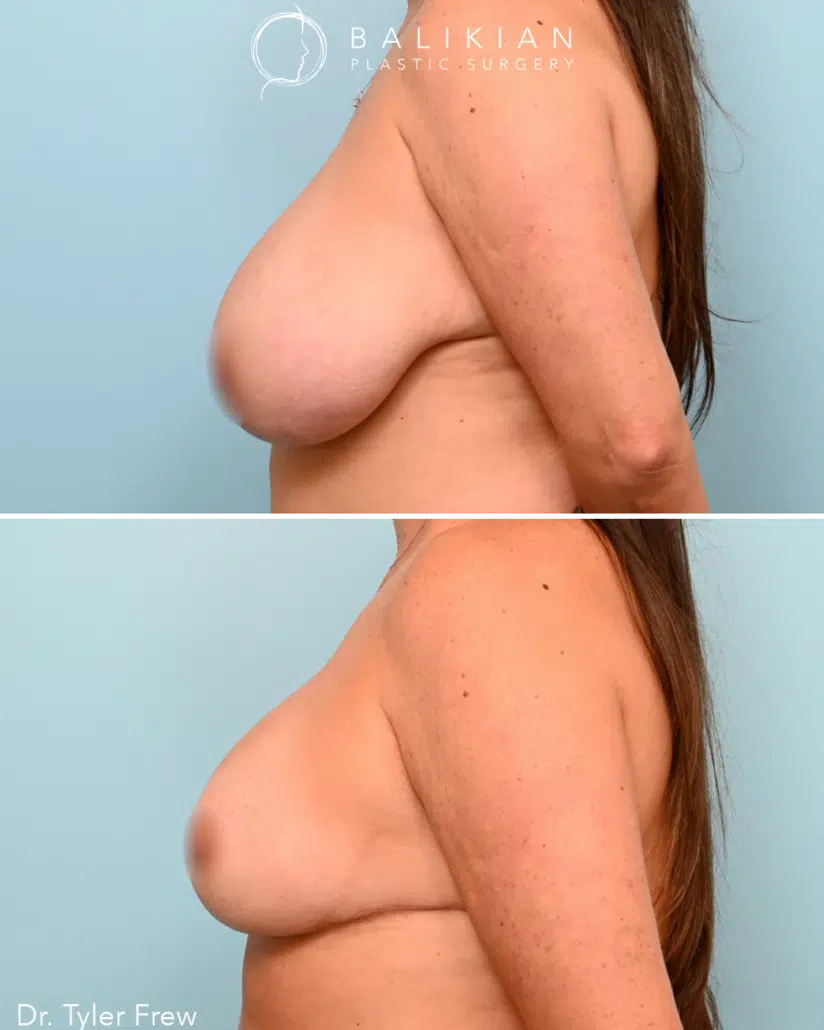
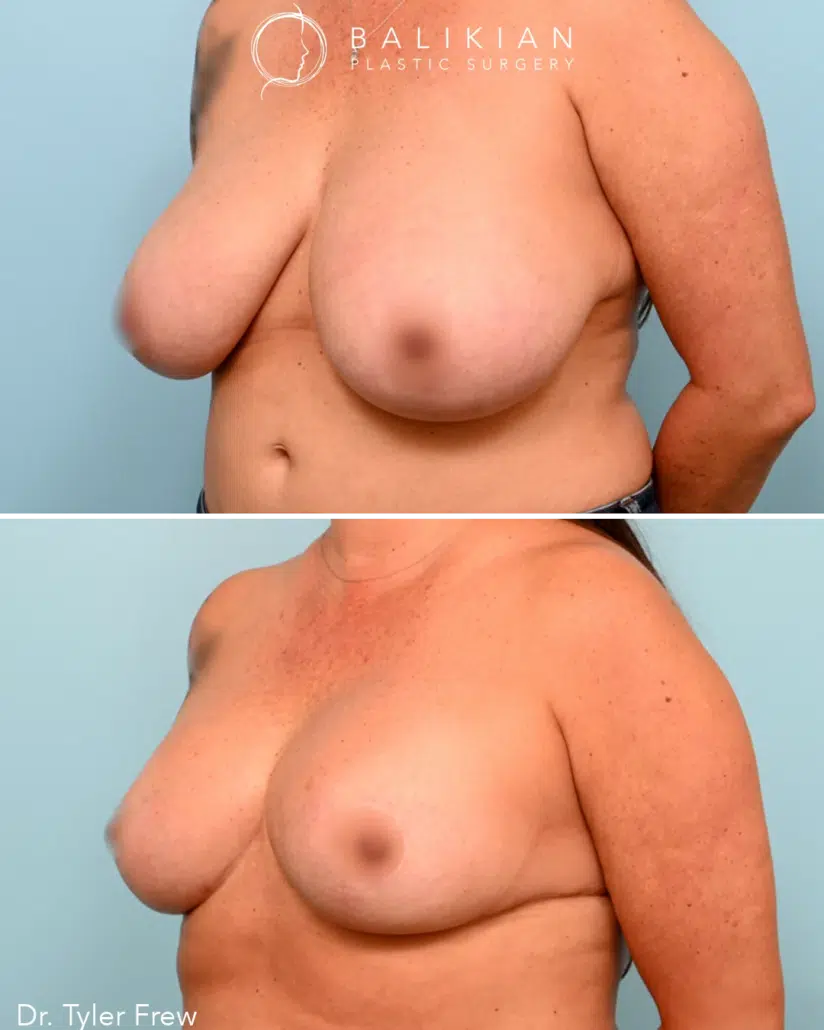
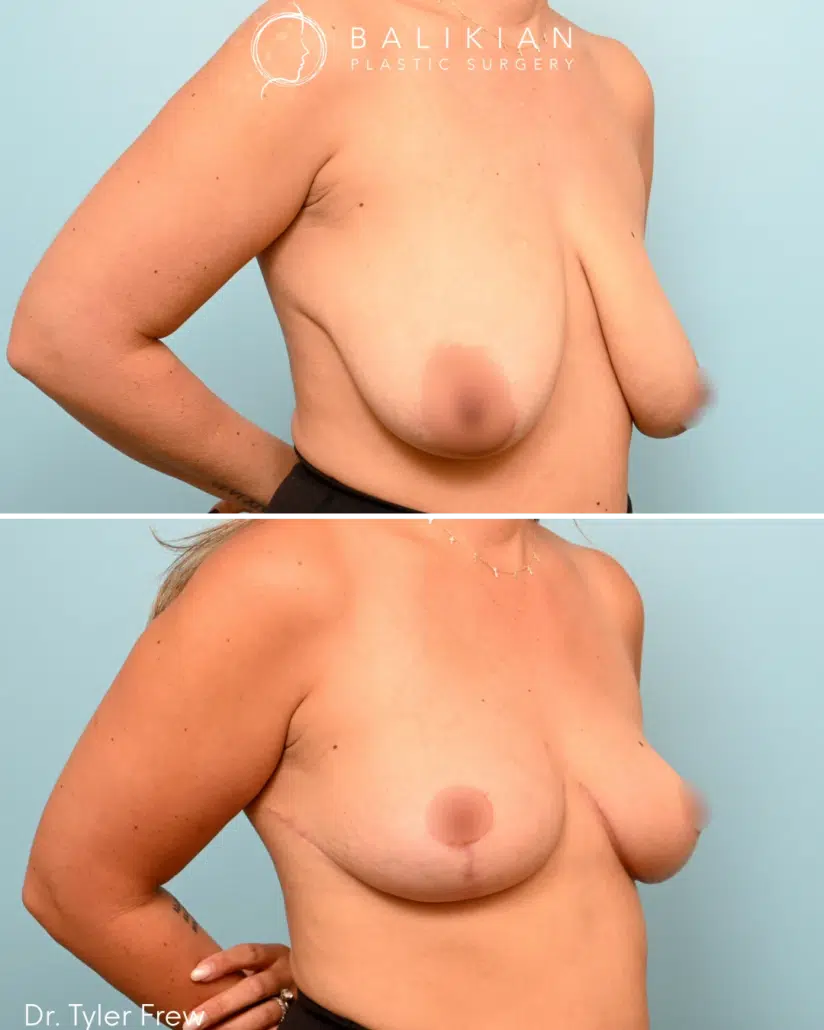
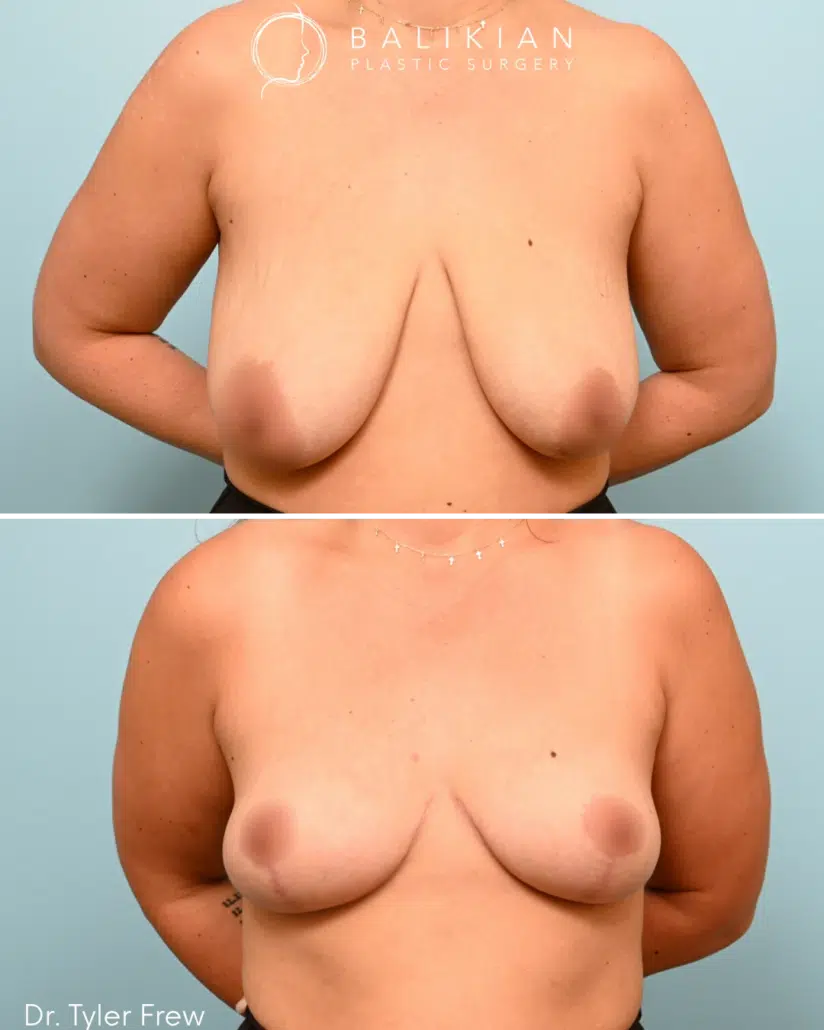
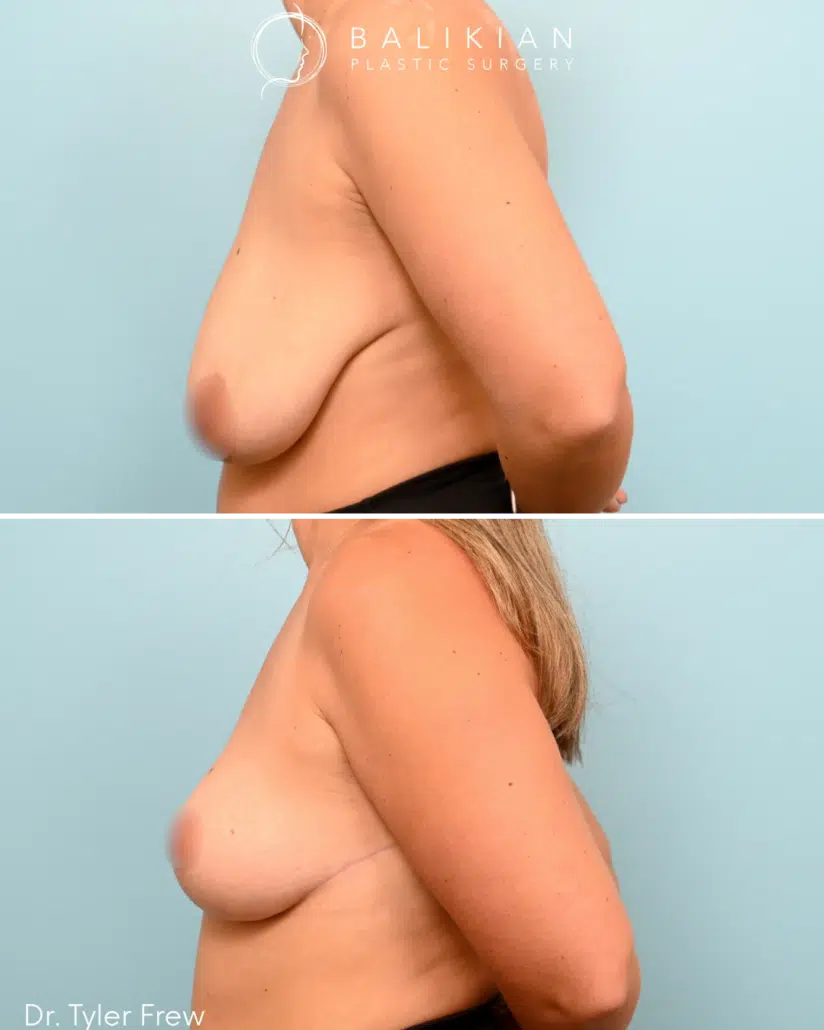
Large, heavy breasts can place ongoing strain on the neck, shoulders and back. Some women also experience bra strap grooving, irritation beneath the breasts or difficulty exercising, finding clothing and moving comfortably through daily life.
Breast reduction surgery removes excess breast tissue, fat and skin to reduce this weight. The remaining tissue is reshaped and lifted to create a lighter breast with a more supported position.
Dr. Shain Cuber approaches breast reduction as both a functional and aesthetic procedure. His objective is not simply to make the breasts smaller. It is to relieve unnecessary weight while creating a shape that looks natural and proportionate to the patient’s frame.
When Breast Size Affects Daily Life
Breast reduction may be appropriate when the size and weight of the breasts begin to interfere with physical comfort, activity or quality of life.
Women considering breast reduction commonly describe:
- Neck, shoulder or back discomfort
- Grooves or pressure from bra straps
- Rashes or irritation beneath the breasts
- Difficulty exercising or participating in physical activities
- A feeling of heaviness through the chest and upper body
- Difficulty finding bras, swimsuits or clothing that fit comfortably
- Self-consciousness related to breast size or proportion
Every patient experiences these concerns differently. During consultation, Dr. Cuber listens to how breast size affects the patient physically and what she would like to change about her shape.
Breast Reduction Versus Breast Lift
Breast reduction and breast lift surgery are closely related, but they begin with different concerns.
A breast lift primarily addresses sagging. It removes excess skin and repositions the breast and nipple without substantially reducing breast volume.
A breast reduction removes excess tissue to decrease breast size and weight. Because the remaining breast must also be reshaped and repositioned, breast reduction usually includes a lifting component.
Breast reduction can create breasts that are:
- Smaller and lighter
- Positioned higher on the chest
- Better supported
- More symmetrical
- More proportionate to the patient’s body
During your consultation, Dr. Cuber evaluates whether the primary concern is excessive volume, breast position or a combination of both.
A Breast Size That Fits Your Frame
Breast reduction is not planned around one cup-size request. Bra sizing varies considerably between manufacturers, and no surgeon can guarantee one exact postoperative cup size.
Dr. Cuber instead discusses an appropriate range and evaluates the amount of breast tissue that can be removed while maintaining a natural shape. He considers the patient’s height, chest width, existing breast volume, skin quality, nipple position and overall body proportions.
Some women want the smallest result their anatomy can reasonably support. Others want relief from excess weight while preserving more fullness. Dr. Cuber listens to those preferences and explains what can realistically be achieved.
The objective is to create breasts that feel lighter without appearing flattened, over-reduced or disconnected from the rest of the figure.
Natural-Looking Breast Reduction Results
A successful breast reduction should improve more than size alone. The position, projection, symmetry and relationship between the breasts and torso must also be considered.
Dr. Cuber reshapes the remaining breast tissue to create a supported contour and repositions the nipple and areola when necessary. The amount of reduction and the resulting shape are individualized for each patient.
Early results include swelling and firmness. As healing progresses, the breasts gradually soften and settle into a more natural position.