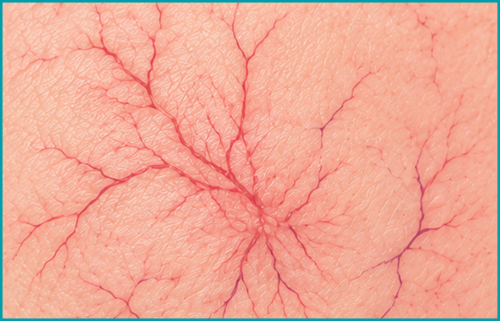
BBL HEROic™ uses precisely controlled broadband light that can be adjusted for different targets within the skin. It is particularly effective for brown pigmentation and vascular redness, while also improving the overall quality and appearance of sun-damaged skin.
BBL HEROic™ for Pigmentation
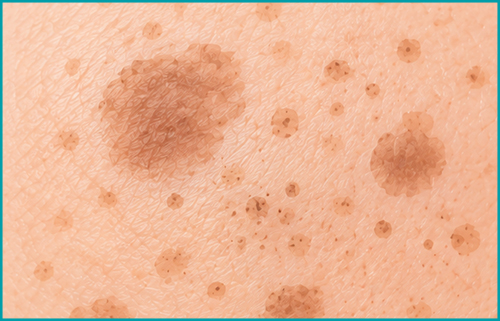
Brown spots, freckles and uneven pigmentation are some of the most common signs of accumulated sun exposure. BBL HEROic™ uses broadband light to selectively target concentrations of melanin within the skin, helping reduce unwanted brown color and create a clearer, more even complexion.
Not all pigmentation is the same. Dark, well-defined sun spots can behave differently during treatment than faint, diffuse discoloration. The type of pigment, its depth, the surrounding skin tone and how much contrast exists between the two all influence how treatment is planned.
Hyperpigmentation Is a Description, Not a Diagnosis
Hyperpigmentation simply describes an area of skin that has become darker because of increased pigment. It does not explain why that pigment is there.
Sun damage, freckles, post-inflammatory hyperpigmentation and melasma can all create unwanted brown color, but they should not automatically be treated the same way. Pigment associated with a mole or other skin growth is also different from the sun-related pigmentation typically targeted with BBL.
Identifying the type of pigmentation comes before choosing the treatment.
Melasma Needs a Different Approach
Melasma can resemble ordinary sun damage, particularly when it first appears as patches of brown pigmentation across the cheeks, forehead or upper lip.
But melasma behaves differently. Heat, light, hormones, genetics and sun exposure can all play a role, and aggressive light-based treatment can aggravate the condition in some patients.
When the pattern suggests melasma, the treatment strategy changes. BBL should not simply be used because the skin looks brown.
What Happens to Pigment After BBL?
Following BBL HEROic™ treatment, targeted brown spots can temporarily become darker or more noticeable. This is an expected part of the process as the treated pigment gradually moves toward the surface and becomes less visible.
Faint pigmentation can sometimes require additional treatment because there is less contrast between the unwanted pigment and the surrounding skin.
BBL Doesn’t Prevent Future Sun Damage
BBL can reduce visible pigmentation that has already developed, but it does not stop the skin from producing melanin or prevent future UV exposure from creating new sun damage.
Daily sun protection remains an important part of maintaining clearer, more even-looking skin after treatment.