Treating Active Acne with Forever Clear BBL & Photobiomodulation
Harness the Power of Advanced Light-Based Therapy to Calm Inflammation and Clear Active Acne
Active acne is an inflammatory skin condition influenced by acne-causing bacteria, excess oil production, clogged pores and the skin’s immune response. While topical and oral medications can be helpful, many patients seek non-invasive options that calm inflammation, reduce breakouts and support long-term skin health without irritation or downtime.
Forever Clear BBL combined with blue light photobiomodulation is one of the most effective light-based approaches for treating active acne. Together, these treatments address acne at multiple biological levels while remaining gentle enough for sensitive and acne-prone skin.
Light-based acne treatments work by targeting the biological processes that drive breakouts rather than simply treating symptoms at the surface. Specific wavelengths of light interact with the skin to reduce acne-associated bacteria, calm inflammation, regulate oil production and support the skin’s natural healing response.

Unlike topical medications that can irritate the skin or oral treatments that affect the entire body, light-based therapy works locally and non-invasively. This makes it especially useful for patients with sensitive skin, inflammatory acne or breakouts that persist despite traditional treatments.
Different types of light target acne in different ways. Some wavelengths focus on reducing bacteria and inflammation, while others support healing, barrier function, and overall skin balance. When used strategically, light-based treatments can reduce active breakouts, improve redness and help the skin recover more efficiently over time.
Forever Clear BBL is a targeted BroadBand Light protocol designed specifically to treat active acne and acne-prone skin. It uses controlled wavelengths of light to address the primary contributors to breakouts.
Forever Clear BBL helps treat acne by:
Because Forever Clear BBL is non-ablative and involves little to no downtime, treatments are typically performed in a series. This allows acne to be managed consistently over time while supporting clearer, more balanced skin.
Blue light photobiomodulation uses low-level light to support the skin’s natural healing response without creating heat or injury.
For active acne, blue light photobiomodulation helps by:
Because it is extremely gentle, blue light photobiomodulation is well suited for sensitive skin and can be repeated frequently as part of an acne treatment plan.
Photobiomodulation also supports skin comfort and barrier health, making it a valuable complement to Forever Clear BBL when treating active acne.
Forever Clear BBL and blue light photobiomodulation address acne through complementary mechanisms. Forever Clear BBL targets bacteria, oil activity and visible inflammation, while photobiomodulation supports bacterial reduction and inflammation control at a cellular level.
Used together, they create a balanced approach that treats both the visible symptoms of acne and the underlying inflammatory drivers. This combination is particularly effective for inflammatory acne, recurring breakouts and acne associated with stress or hormonal changes.
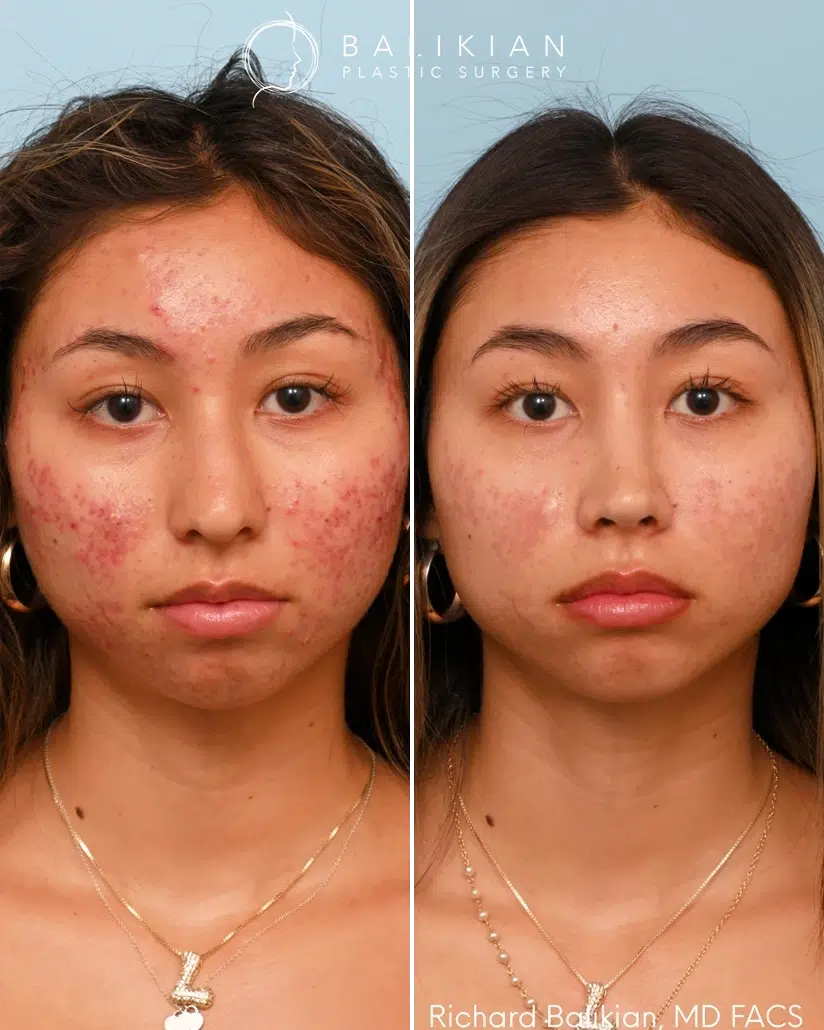
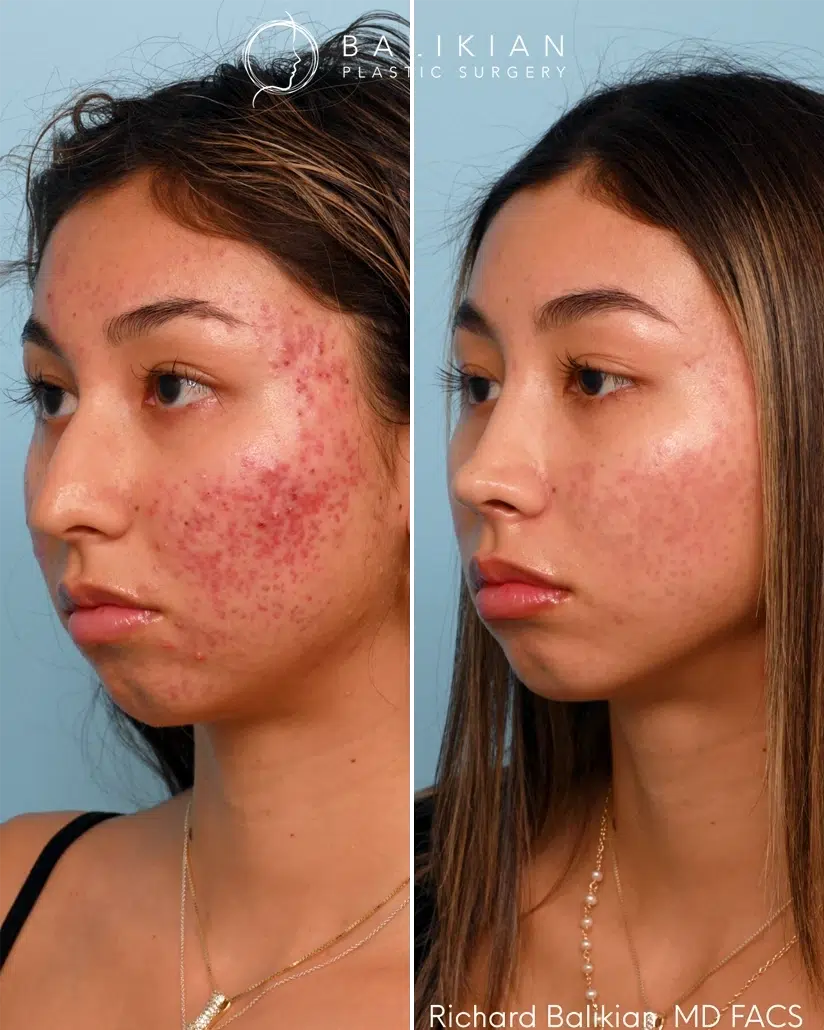
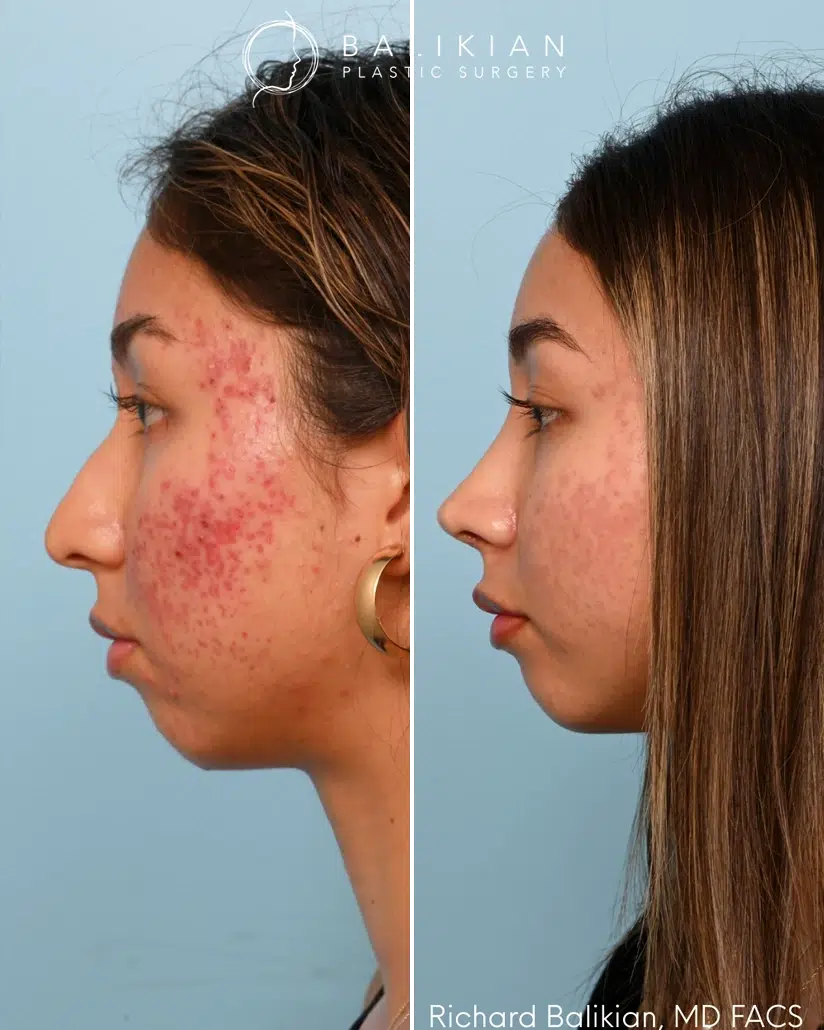
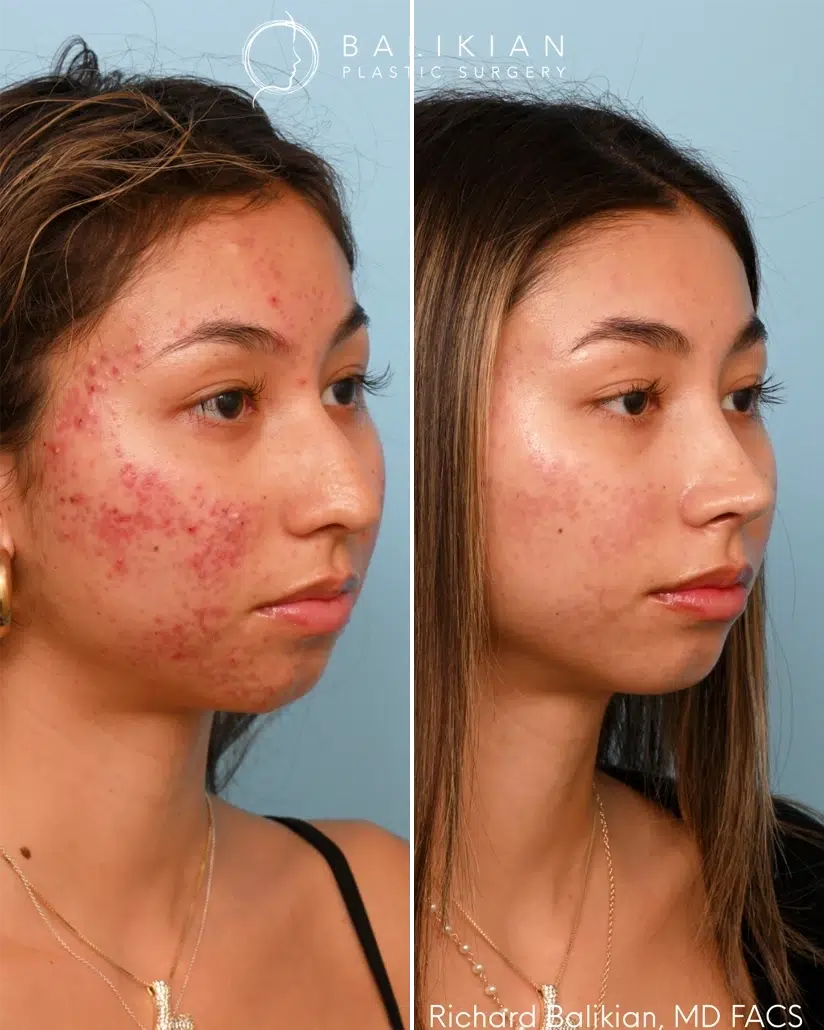
Most patients benefit from a series of Forever Clear BBL treatments combined with photobiomodulation, typically spaced several weeks apart. Improvements often include fewer active breakouts, reduced redness, calmer skin and a more even complexion.
Because acne is influenced by multiple internal and external factors, maintenance treatments may be recommended. Results are often strongest when light-based therapy is paired with acne-safe, medical-grade skincare and professional guidance.
Light-based acne treatments are well suited for patients with active inflammatory acne, acne-prone skin, or persistent redness related to breakouts. They are especially helpful for patients who experience irritation from topical products or want a non-invasive alternative to aggressive acne therapies.
Forever Clear BBL is commonly used to address inflammatory acne, visible redness and oil imbalance. Photobiomodulation is often added to support healing, calm inflammation and improve skin comfort, particularly in patients with sensitive or reactive skin.
Patients with very severe cystic acne or certain medical conditions may require additional medical management before or alongside light-based therapy. A professional consultation helps determine whether Forever Clear BBL, photobiomodulation, or a combination of both is the most appropriate approach.
Treating active acne does not always require harsh medications or aggressive resurfacing. Forever Clear BBL and blue light photobiomodulation offer a well-tolerated approach that focuses on reducing inflammation, supporting skin health and restoring balance.
By addressing both the visible signs of acne and its underlying contributors, this combination helps the skin heal more effectively and maintain clearer, healthier-looking skin over time.
What are light-based acne treatments and how do they work?
Light-based acne therapies use targeted wavelengths of light to interact with acne biology. Blue and red/visible light can reduce acne-associated bacteria and calm inflammation, while broader spectrum light like BBL can also influence sebaceous gland activity and reduce redness. These effects help decrease inflammatory lesions and support smoother skin over time.
Is blue light therapy effective for active acne?
Studies show that blue light can reduce inflammatory acne lesions and may be more effective than some non-light comparators, though results vary. Several randomized trials and systematic reviews suggest blue light improves mild to moderate inflammatory acne, though many studies are limited in size and duration.
How does Forever Clear BBL help treat acne?
BBL (BroadBand Light) is a type of intense pulsed light therapy that uses multiple wavelengths to target acne-related bacteria, inflammation, and oil gland activity. Clinical research has demonstrated promising results using BBL with adjunctive protocols, including photodynamic therapy, for moderate to severe acne.
Are these treatments safe? What are common side effects?
Light-based acne treatments are generally well tolerated. Most studies report mild, temporary side effects such as redness or slight irritation that resolve quickly. Serious adverse reactions are uncommon when treatments are performed by qualified clinicians.
Do light therapies help with oil production or just acne lesions?
Beyond reducing lesion counts, some research suggests certain light wavelengths can modulate sebaceous gland activity and reduce excessive oil production, which is a key factor in acne development.
How many treatments are typically needed?
Light therapy outcomes often improve with repeated sessions. Many studies use multiple treatment sessions over several weeks, with meaningful lesion reduction noted as early as four weeks in visible light research.
Can light therapy be combined with other acne treatments?
Yes. Light-based therapies like BBL and blue light photobiomodulation are often used as part of a comprehensive acne plan that may include medical-grade skincare or topical therapies. Combination approaches may improve overall outcomes.
Are light therapies effective for all acne types?
Evidence suggests the strongest effects are seen in mild to moderate inflammatory acne. Research in severe acne is less abundant and often involves combination protocols; more rigorous trials are needed to confirm efficacy in severe cases.

 The Anatomy Behind the Deep Plane Facelift