The Science Behind Botox : What It Is and How It Works
Neuroscience Meets Aesthetics in One of the Most Trusted Anti-Aging Treatments
Botox is one of the most popular non-surgical treatments used today to smooth dynamic wrinkles and fine lines, especially around the forehead, eyes, and brow. But beyond its popularity lies decades of research, including clinical and histological studies co-authored by leading experts like Dr. Richard Balikian.
In this article, we’ll explain what Botox is, how it works, and why it’s so effective for facial rejuvenation.
Botox is a purified form of botulinum toxin type A, derived from the Clostridium botulinum bacterium. While the word “toxin” might sound alarming, Botox is used in extremely small, controlled doses and is FDA-approved for both cosmetic and medical applications.
It works by temporarily relaxing specific facial muscles responsible for expression lines like crow’s feet, forehead creases, and glabellar lines (frown lines between the eyebrows).
Botox works at the neuromuscular junction, where nerves send signals to muscles to contract. These signals depend on a neurotransmitter called acetylcholine.
Once injected, Botox inhibits the release of acetylcholine, preventing the muscle from contracting. The result? Targeted relaxation of facial muscles that smooths visible lines and prevents deeper creases from forming.
In a scientific study co-authored by Dr. Balikian, histologic analysis revealed that Botox does more than just relax muscles. It showed selective, temporary denervation of targeted muscles without damaging surrounding tissues. Muscle architecture remains intact, making Botox safe for repeated use over time.
The study also demonstrated that Botox produces:
These findings explain why Botox has become the gold standard for dynamic wrinkle reduction, it offers both safety and precision.
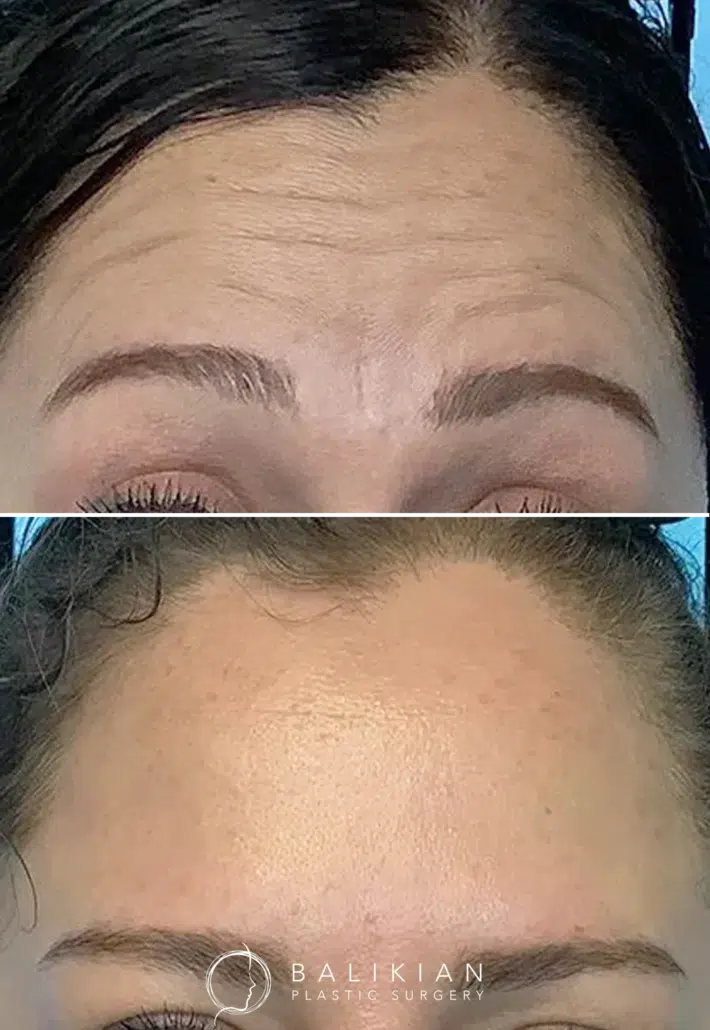
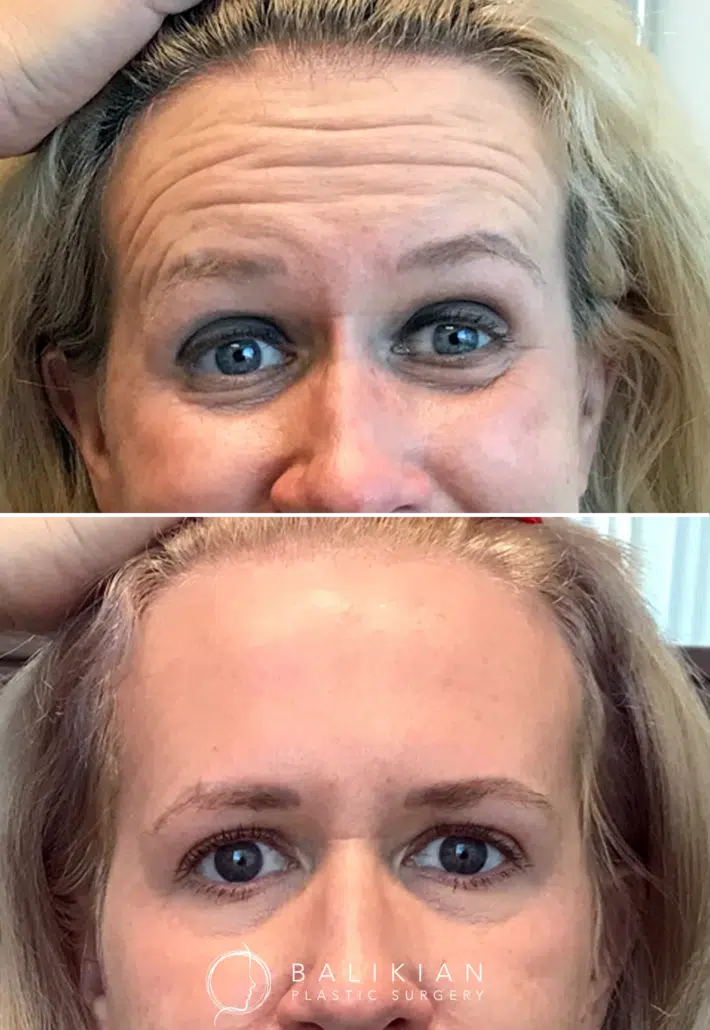
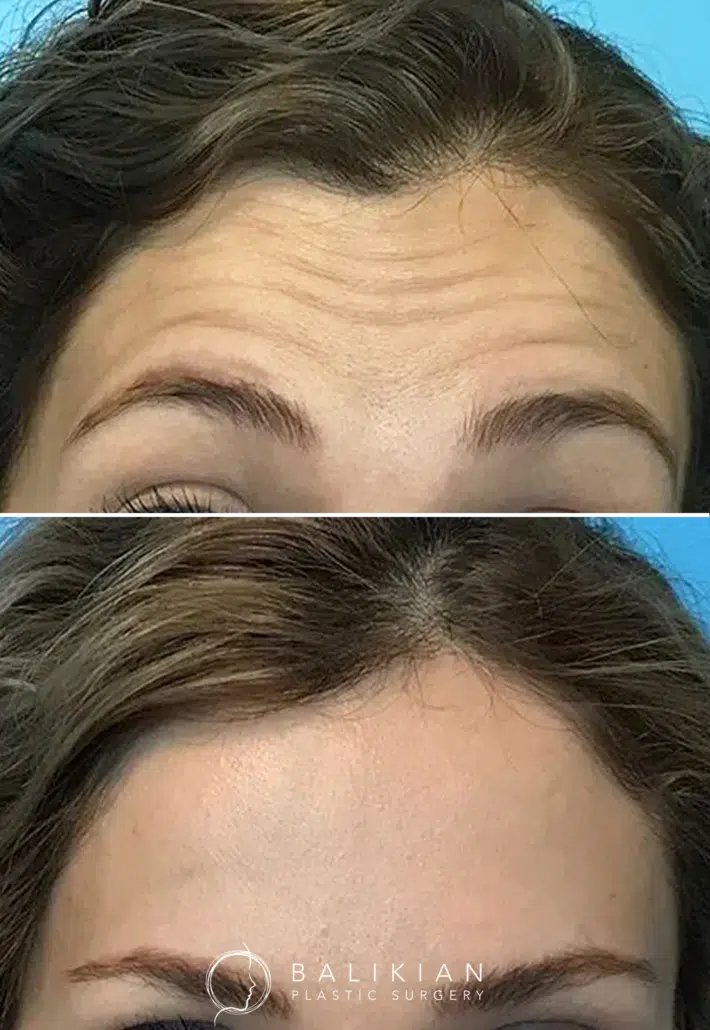

Botox is primarily used to treat dynamic wrinkles caused by repetitive facial movement.
Common treatment areas include:
Beyond aesthetics, Botox is also used for medical conditions like TMJ, hyperhidrosis (excessive sweating), and migraines.
Botox injections are quick, typically 10 to 15 minutes, and require no downtime. Results begin to appear within 3 to 5 days, with full results visible by two weeks. Effects last about 3 to 4 months, depending on the area treated and individual metabolism.
With consistent treatment, Botox can help train muscles to stay relaxed longer, potentially spacing out the need for future sessions.
Yes. When administered by an experienced injector, Botox is both safe and predictable. The key is expert dosing and placement.
Overuse or poor technique can lead to an unnatural or “frozen” look. At Balikian Facial Plastic Surgery, every Botox treatment is tailored to preserve your natural expressions while refreshing your appearance.
If you’re ready to smooth fine lines and soften your appearance, schedule a consultation with Balikian Plastic Surgery.
Led by a d and co-author of peer-reviewed research, Balikian Plastic Surgery delivers expert-level Botox treatments with proven clinical precision.
 Kybella for Double Chin Removal