What a Breast Lift Changes
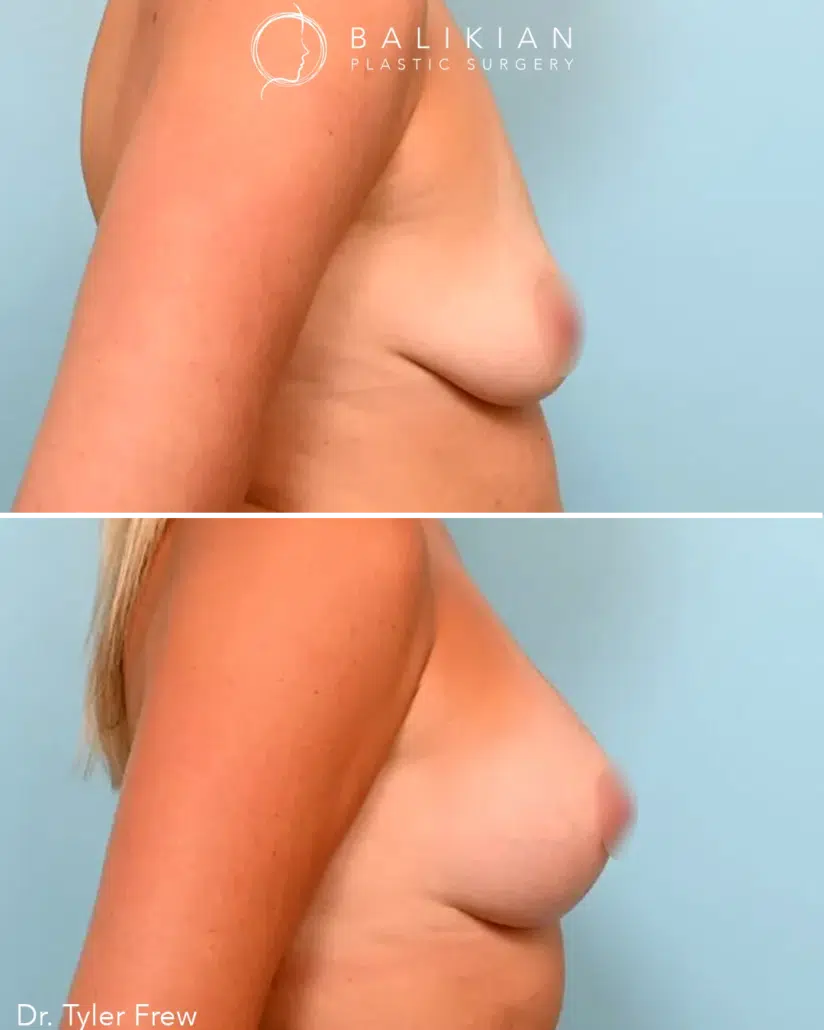
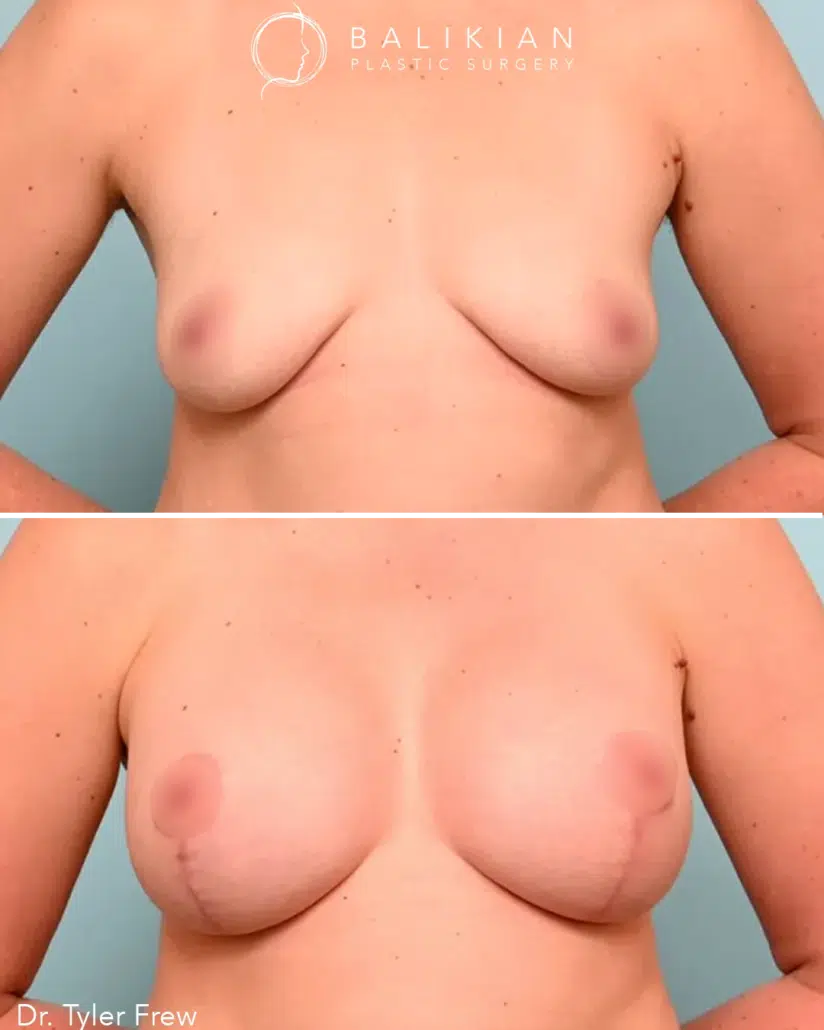
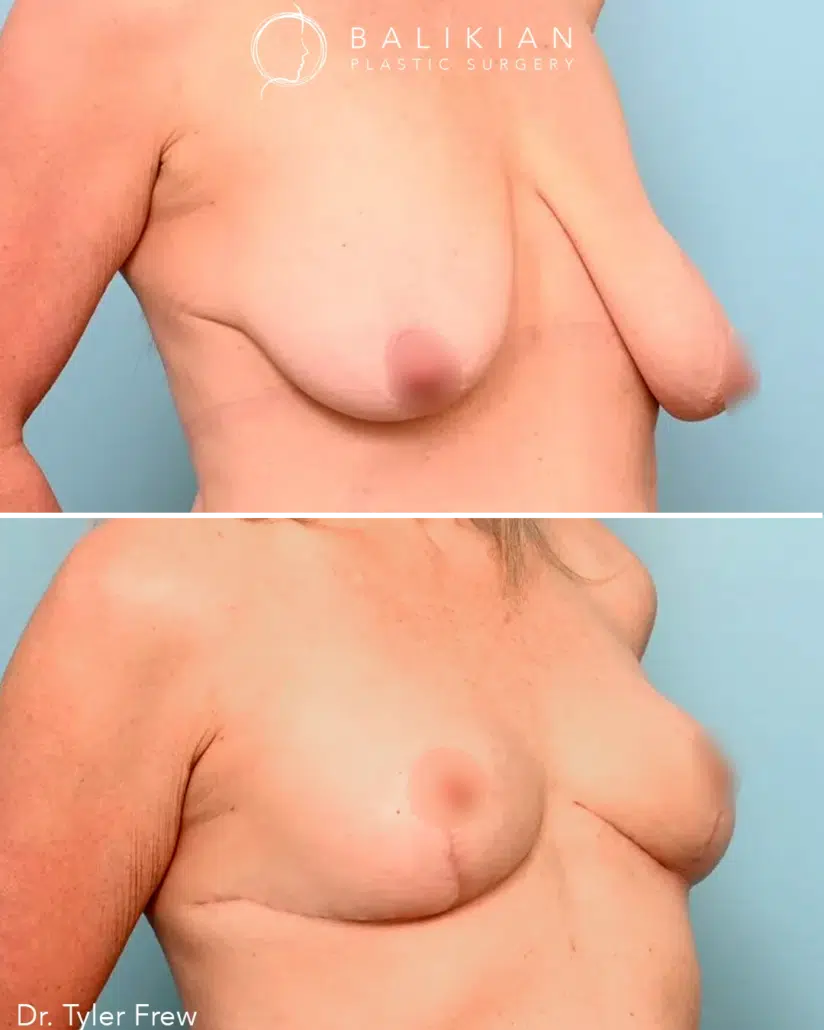
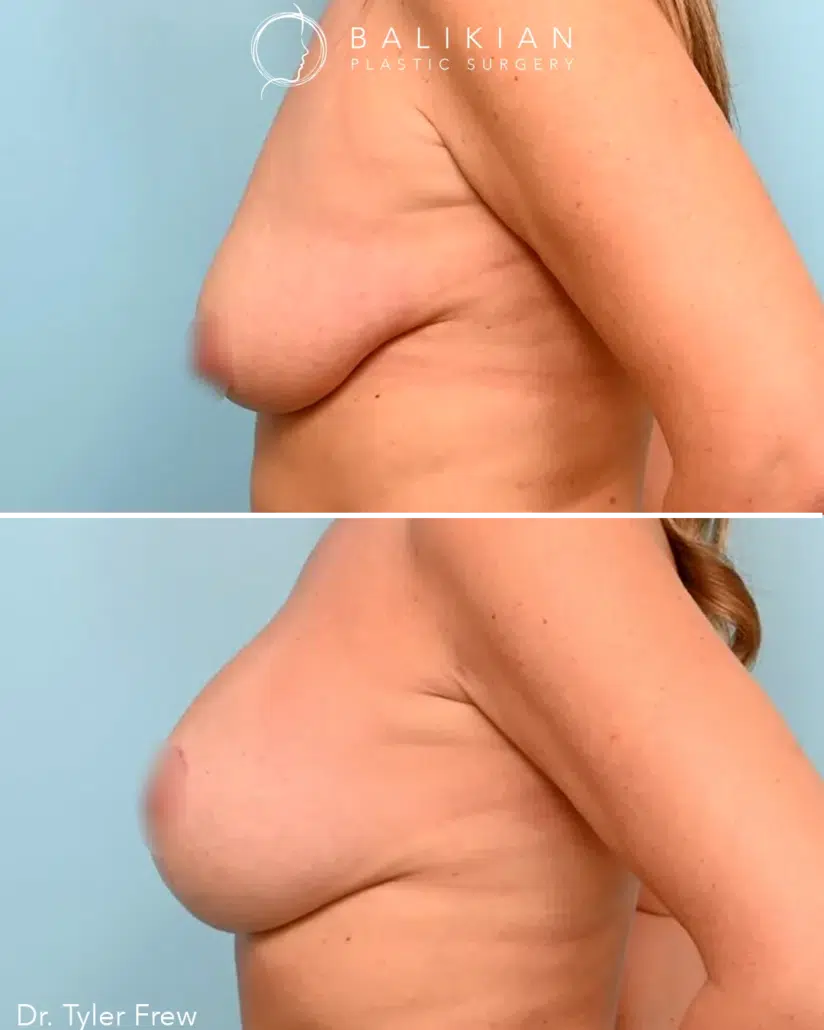
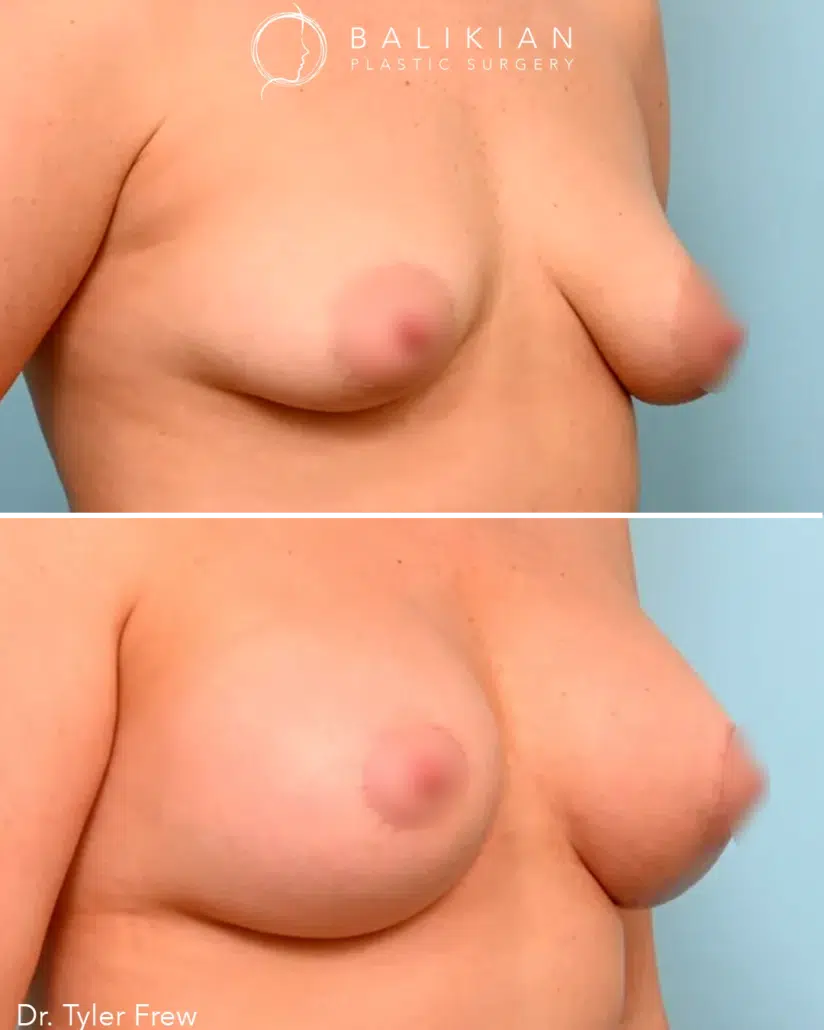
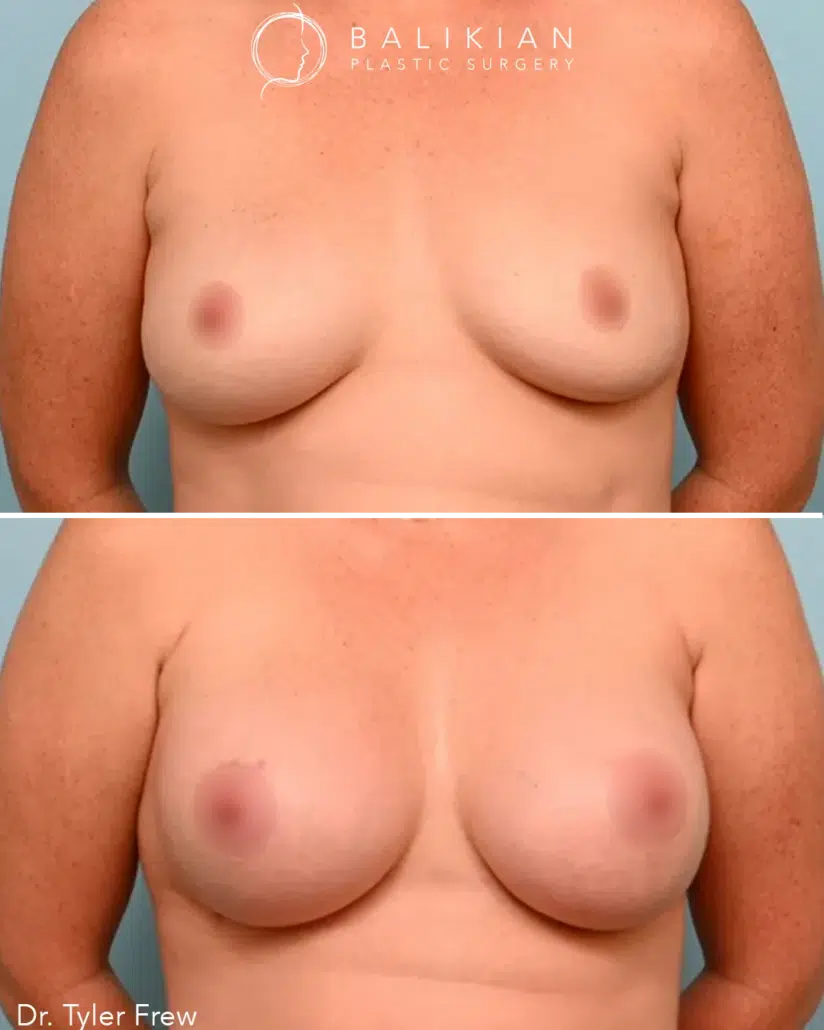
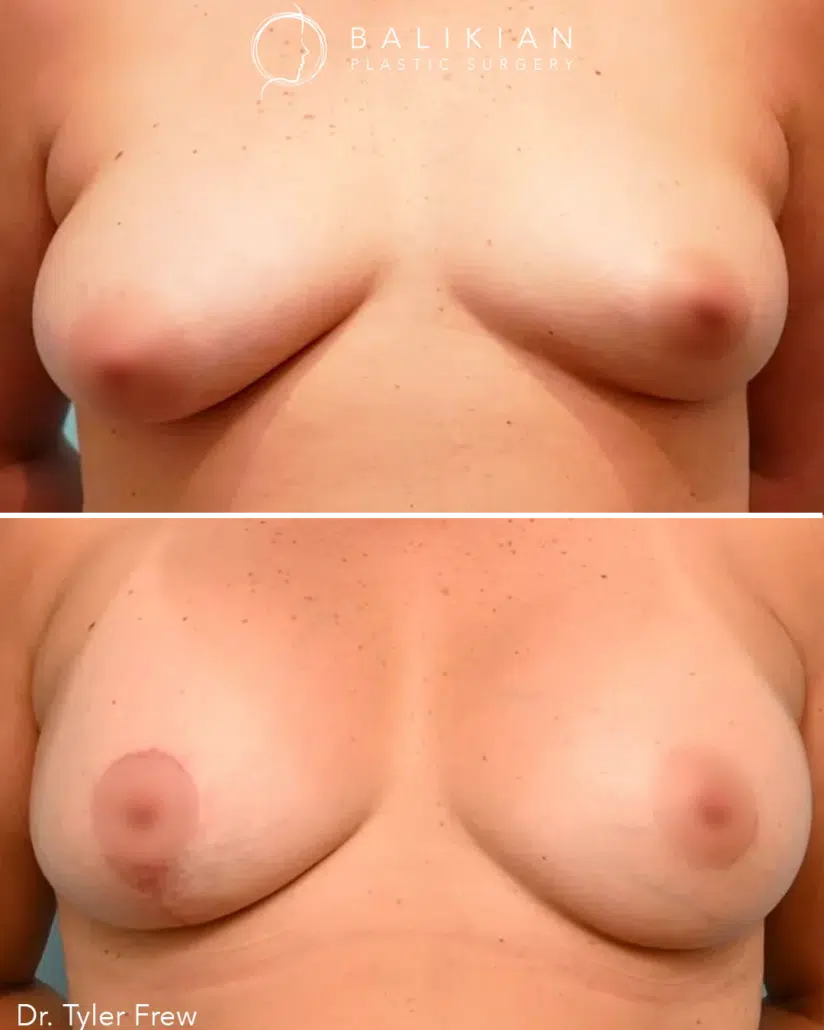
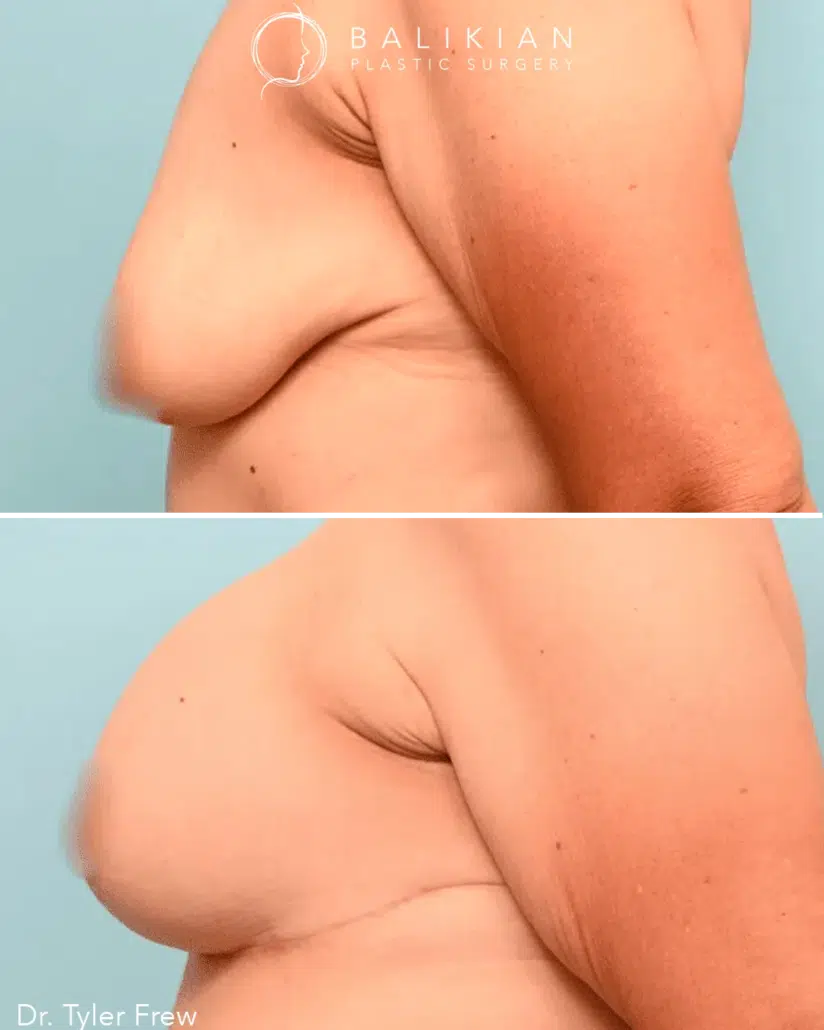
A breast lift reshapes and repositions the tissue a patient already has. Excess, stretched skin is removed, the breast tissue is reorganized and the nipple and areola are moved with the breast into a more appropriate position.
A lift can improve breast position, nipple direction and overall shape. It can also improve certain differences between the breasts when one sits lower than the other.
A breast lift does not automatically add volume. This distinction is important because a patient may like the amount of breast tissue she has but dislike where it sits. Another patient may want the breast lifted but also want more fullness than her natural tissue can provide.
The operation must account for both the current anatomy and the desired result.
Breast Lift Alone or Breast Lift With Implants?
A breast lift alone may be appropriate when a patient has enough natural breast tissue to create the shape and size she wants. The existing tissue is reshaped and repositioned without adding an implant.
An implant may be considered when the patient also wants to restore volume or create greater fullness. Dr. Cuber does not select an implant simply because a lift is being performed. He first determines whether additional volume is necessary and then evaluates what implant sizes can reasonably fit within the patient’s frame.
The skin and supporting tissue can stretch, but not without limit. Adding an implant that is too large for the available tissue can look disproportionate and place unnecessary stress on the breast.
The decision is therefore not simply “lift or implant.” It is whether the patient’s existing tissue can create the result she wants and, if not, how much additional volume her anatomy can support.
Breast Lift Incisions
A breast lift requires incisions because stretched skin must be removed and the underlying breast must be reshaped. The pattern depends on the degree of breast descent, the amount of loose skin and how far the nipple must be repositioned. A woman with a mild change in position may not require the same operation as someone whose breast and nipple have descended significantly.
Dr. Cuber determines the necessary approach after examining the breast. He will explain where the incisions are expected to be, why that pattern is recommended and what tradeoffs are involved.
The goal is to use the approach required to create the desired shape without performing more surgery than the anatomy needs.
Are You a Candidate for a Breast Lift?
You may benefit from a breast lift if the natural breast tissue has moved lower on the chest, the nipples point downward or the skin has stretched enough to change the breast’s shape.
The more important question is not whether some sagging is present. It is whether repositioning the breast will produce the result you want or whether volume must also be addressed.
Dr. Cuber will also consider your health, weight stability, previous pregnancies and plans for future pregnancy. Pregnancy and significant weight changes can stretch the breast again, so your stage of life is part of the surgical decision.
A consultation is the only reliable way to determine whether you need augmentation, a lift or a combination of both.
Recovery After Breast Lift Surgery
Preparation for recovery begins before surgery. Dr. Cuber and his team provide instructions regarding medication, positioning, incision care, activity and scheduled follow-up so that patients know what to expect once they return home.
Swelling, tightness and tenderness are expected during the early healing period. A supportive bra is worn, and physical activity is restricted while the incisions and reshaped breast tissue heal. The breasts may initially appear firmer or higher than expected. Their shape continues to change as swelling subsides and the tissue relaxes.
Recovery is not identical for every patient. A lift performed by itself may involve a different healing experience than a lift combined with implants or another body procedure. Dr. Cuber bases the return to exercise and unrestricted activity on the operation performed and the patient’s individual progress.
Light Therapy During Recovery
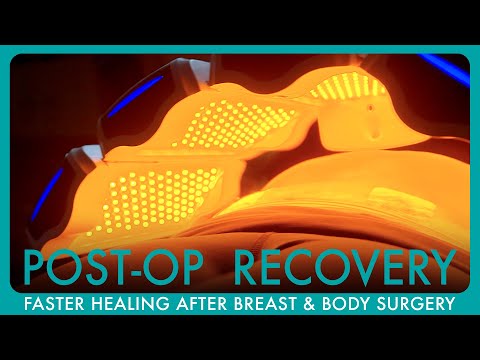
Medical-grade light therapy may be included during postoperative visits as an adjunct to Dr. Cuber’s standard recovery protocol.