Faces Aren’t Tightened. They’re Restored.
Natural Results Begin Beneath the Skin
Facial rejuvenation isn’t about stretching the skin. It’s about restoring the deeper structures that have gradually changed with age while preserving the expression and identity that make you uniquely you.

Learn how the Artiste Lift™ restores facial structure through preservation deep plane facelift techniques designed to achieve natural, refined results while preserving your unique expression and identity.
The Artiste Lift™ represents Dr. Richard Balikian’s preservation approach to deep plane facelift surgery, combining individualized planning with advanced surgical and recovery techniques to achieve natural-looking results.
Facial aging is not simply a skin problem. Over time, gravity, volume loss and changes in skin quality alter the deeper support structures of the face. As these tissues gradually descend, the cheeks lose support, the jawline softens, jowls develop and the neck begins to lose definition.
A deep plane facelift addresses these structural changes by releasing and repositioning the deeper tissues of the face rather than relying on skin tightening alone. By restoring facial support at its foundation, the procedure creates balanced rejuvenation that looks natural both at rest and in motion.
A deep plane facelift can help:
Because the deeper tissues are repositioned as a single unit, the result appears refreshed rather than pulled.
The face does not age one feature at a time. Changes in the cheeks, jawline, neck and lower face are all connected through the deeper support structures beneath the skin.
As these tissues gradually descend, the cheeks lose support, facial folds deepen, the jawline softens and the neck begins to change. While patients often notice one area first, successful facial rejuvenation begins by understanding how these changes relate to one another.
A deep plane facelift restores these structures together, creating balanced facial rejuvenation that looks natural because it addresses the face as a whole.
Every face ages differently, which means every facelift should begin with a thorough anatomical evaluation rather than a standard operation. Successful facial rejuvenation starts with understanding how your face has changed over time.
Three primary components of facial aging are evaluated during your consultation:
Understanding how these changes interact allows every surgical plan to be tailored to the individual rather than treating every patient the same.


These patient experiences offer a personal look at the decision to pursue facial rejuvenation, the recovery process and the confidence that comes with looking refreshed while still looking like yourself.
The deep plane facelift is one part of the Artiste Lift™, Dr. Richard Balikian’s preservation approach to facial rejuvenation. Rather than relying on skin tension to create the lift, the Artiste Lift™ restores facial support by repositioning the deeper tissues while minimizing unnecessary trauma to the surrounding structures.
Every surgical plan is customized to the patient’s anatomy, aging pattern, and goals.
Depending on your individual needs, treatment may also include:
Each recommendation is made to restore facial harmony and create a balanced, natural-looking result rather than performing the same operation on every patient.
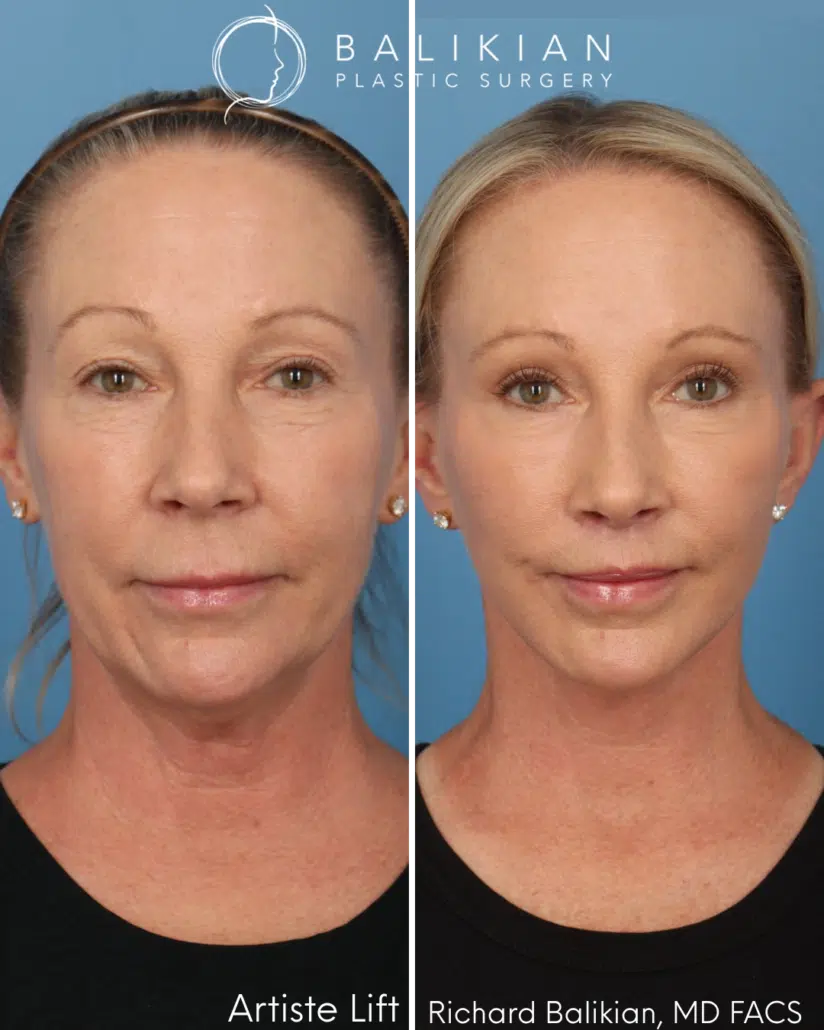
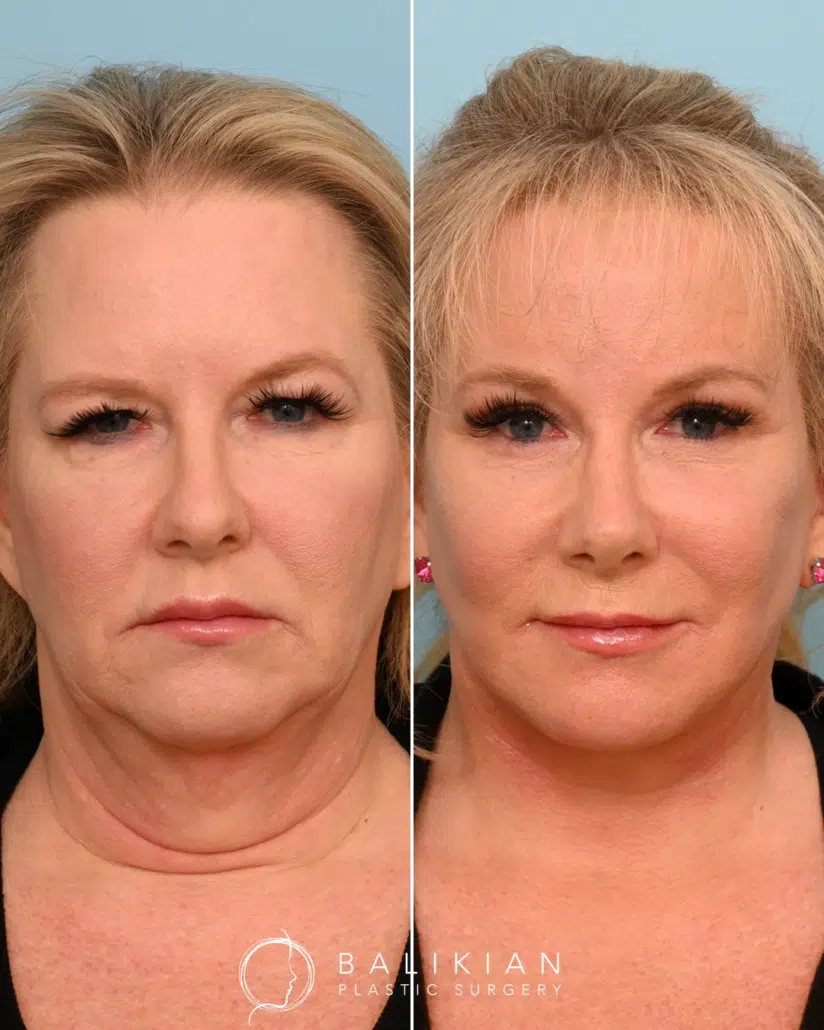
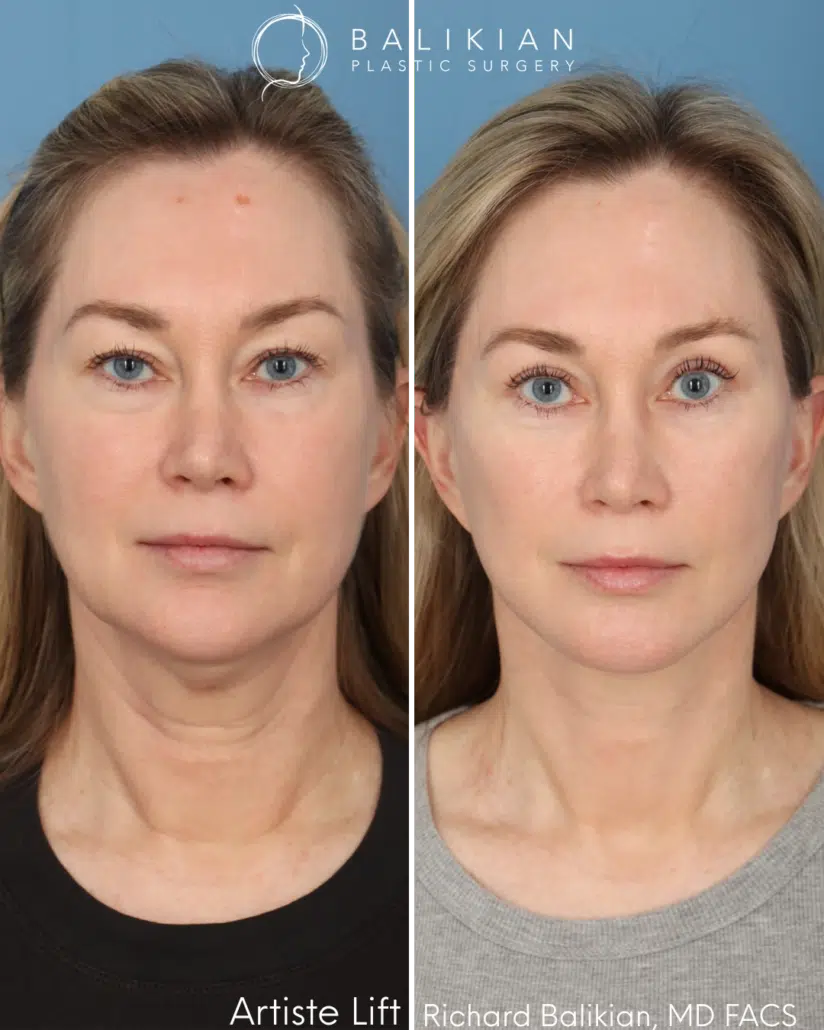
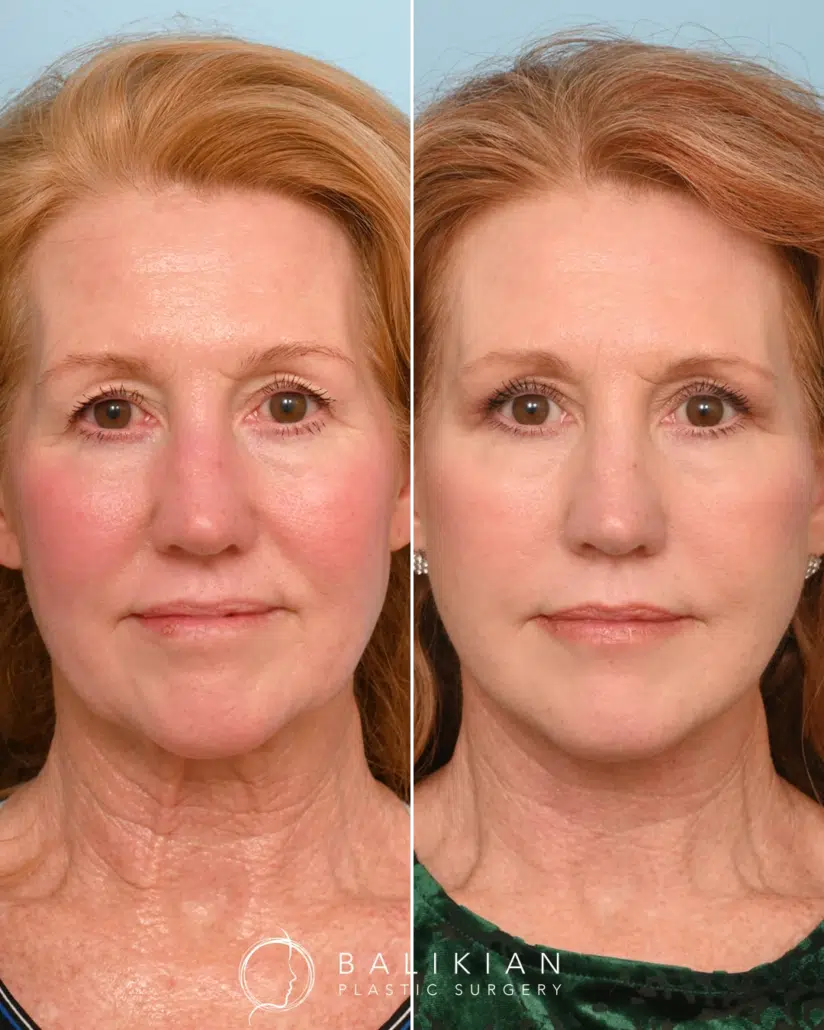
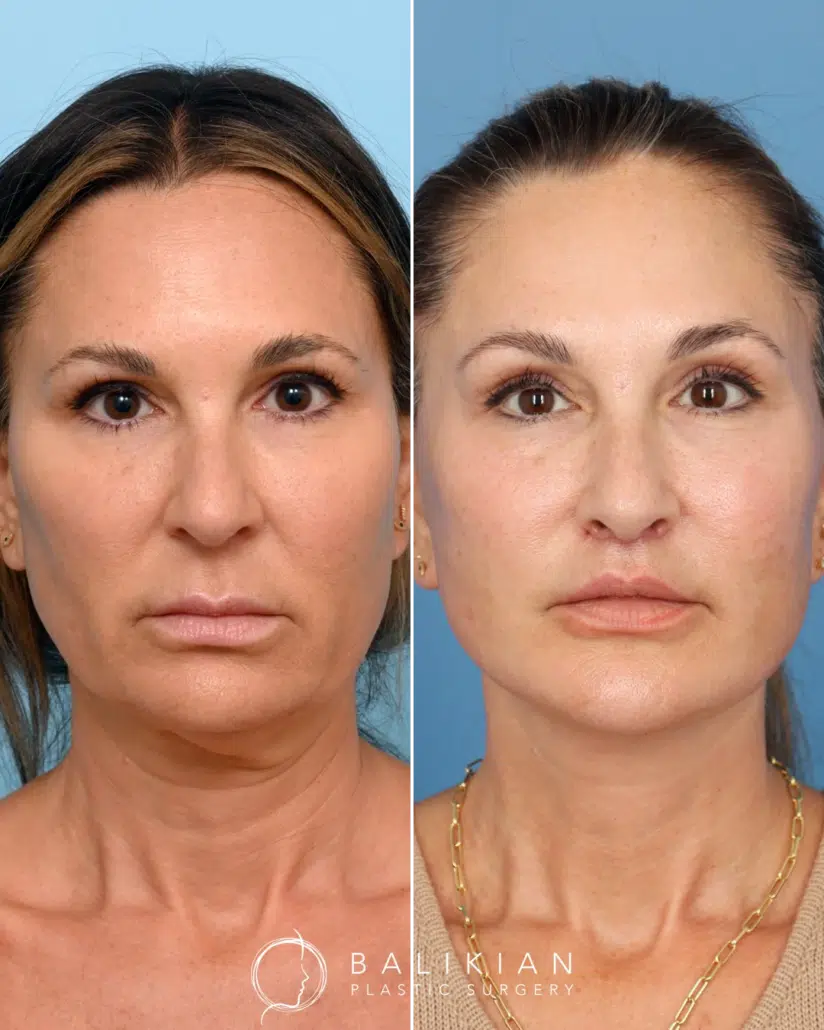
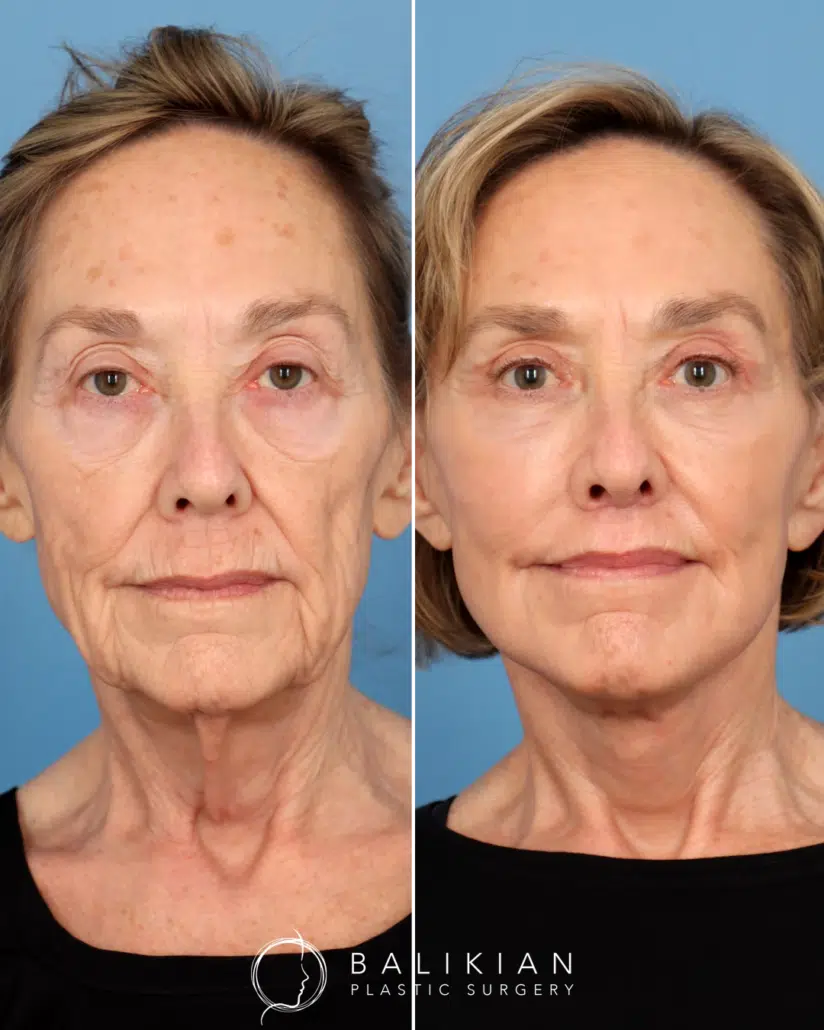
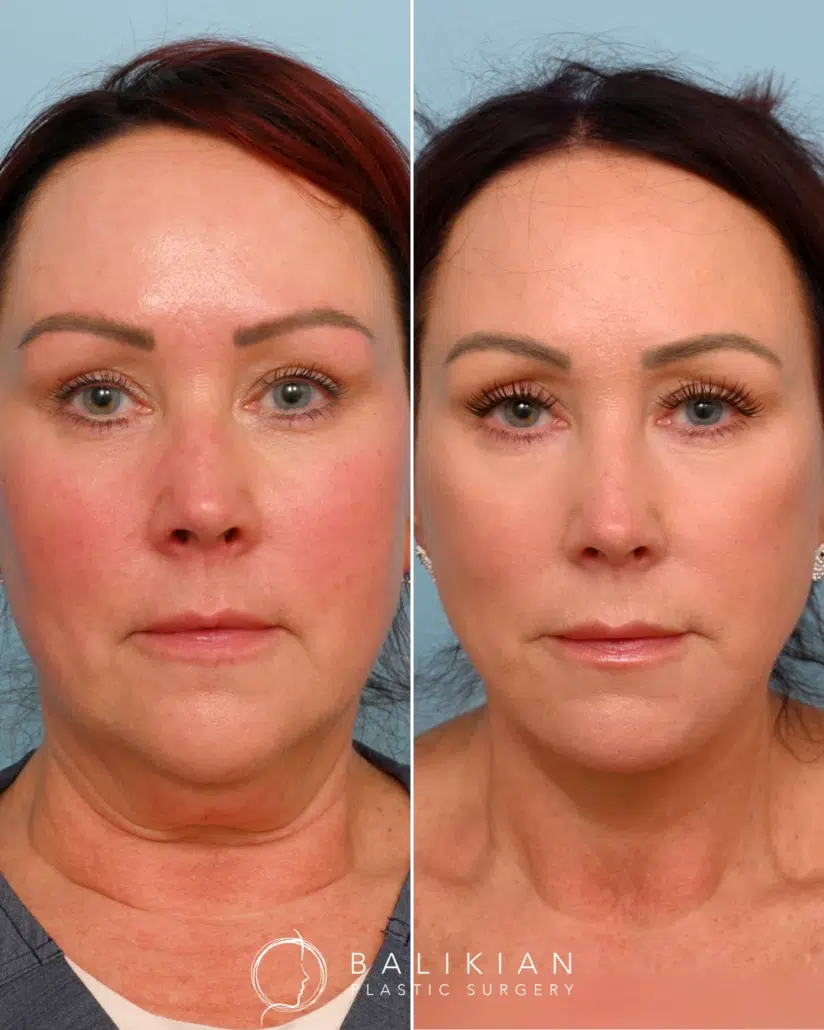
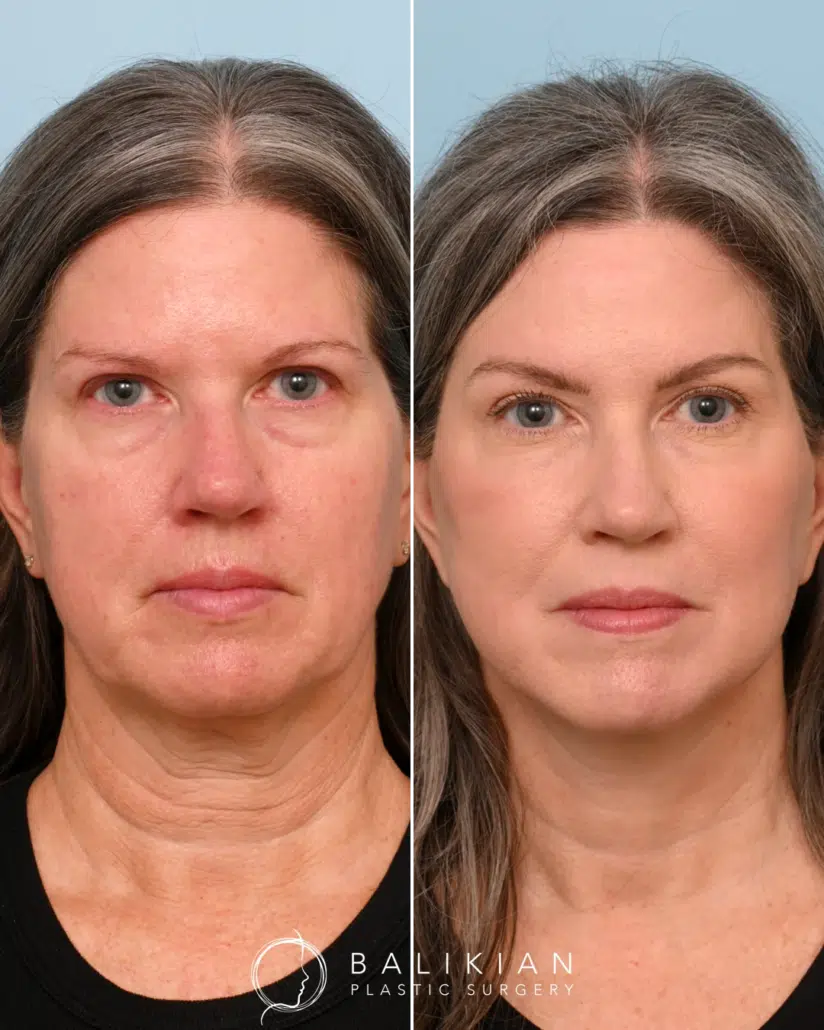
The Artiste Lift™ is designed to preserve what makes you look like you while addressing the structural changes caused by aging. The goal is not to create a different appearance. It is to restore facial support, balance and definition in a way that appears refreshed, natural and authentic.
Patients notice:
The most successful facelift is one that never announces itself. Friends and family may notice that you look healthier, more rested, or more energized without immediately recognizing that you’ve had surgery. That is the difference between tightening skin and restoring facial structure.
Dr. Richard Balikian believes recovery is an extension of surgery itself. Every aspect of his postoperative protocol is designed to reduce physical stress, support the body’s natural healing process and help patients recover as comfortably as possible while protecting the quality of their surgical results.
Every recovery plan is individualized and may include:
Most patients notice steady improvement throughout the recovery process. Swelling and bruising are greatest during the first one to two weeks, then gradually improve over the following weeks and months as the tissues continue to heal and settle.
Recovery involves more than simply waiting for swelling to improve. Dr. Balikian incorporates advanced technologies and evolving recovery protocols to support circulation, minimize inflammation and encourage efficient healing throughout the recovery process.
One of these technologies is ELIXIR MD photobiomodulation therapy (PBM). Using specific wavelengths of light, PBM stimulates cellular energy production and supports the body’s natural healing response. Research has show that photobiomodulation may improve circulation, regulate inflammation, reduce swelling and promote tissue repair following surgery.

Dr. Richard Balikian explains how photobiomodulation is incorporated into his recovery protocol to support circulation, reduce swelling and help patients recover more comfortably after facial plastic surgery.
Meticulous surgical technique, combined with advanced recovery protocols, helps patients recover more comfortably while supporting the natural healing process and protecting long-term results.
Patients researching facelift surgery often compare deep plane facelift and SMAS facelift techniques. While these are sometimes presented as competing procedures, the comparison is not always straightforward.
The SMAS (Superficial Musculoaponeurotic System) is a layer of tissue that supports the face. Nearly every modern facelift works with the SMAS in some way. However, there are several different SMAS techniques, including plication, imbrication, sub-SMAS and deep plane facelift. This is one reason patients often find facelift terminology confusing. Although they all involve the SMAS, they differ in how the tissues are released, repositioned and supported.
A deep plane facelift extends beyond simply tightening the SMAS. By releasing key retaining ligaments, the deeper facial tissues can be repositioned as a single unit in the direction they naturally age. This approach helps restore facial support while preserving natural facial movement and expression.
The most appropriate technique depends on your anatomy, aging pattern and treatment goals. More importantly, it depends on the surgeon’s understanding of facial anatomy and experience performing the procedure.
Want to learn more? Read our in-depth comparison of Deep Plane Facelift vs. SMAS Facelift, where Dr. Richard Balikian explains the different SMAS techniques and why they are not all the same.
The most successful facelift is one that restores facial structure without changing the person behind it. By repositioning the deeper support tissues of the face, a deep plane facelift can create natural-looking rejuvenation that preserves your character, expression and identity.
Whether you’re beginning your research or comparing facelift techniques, understanding how your face has changed with age is the first step toward making an informed decision. When you’re ready, explore the Artiste Lift™ to see how Dr. Richard Balikian combines preservation deep plane facelift techniques with individualized planning and advanced recovery protocols to achieve refined, natural-looking results.
How is a preservation deep plane facelift different from a standard SMAS lift?
Both reposition deeper tissues, but deep plane releases retaining ligaments and elevates the cheek–jawline unit with less surface tension, which helps the result look integrated rather than tight. Comparative reviews show high satisfaction with both, so surgeon selection and plan matter most.
What is a deep vertical neck lift and when is it paired with a facelift?
It refines the neck by tightening deep layers and addressing bands and fullness under the jaw. Dr. Balikian pairs it when the neck needs more definition for a crisp face-to-neck transition.
Will a deep plane facelift change my smile or facial expressions?
Your expressions remain yours. Temporary tightness or mild stiffness can occur early, but the goal is natural movement once swelling settles. Permanent motor nerve injury is rare in modern series.
What is the risk of nerve injury and how long does numbness last?
Most sensory changes are temporary and improve over weeks to months. Meta-analyses report low rates of nerve injury, with most resolving over time.
How long do results last compared with other facelift methods?
Longevity is strong across contemporary techniques. Reviews show durable outcomes and high satisfaction for both deep plane and SMAS approaches; aging continues naturally.
Can previous fillers, threads, or skin-tightening devices affect my facelift plan?
Yes. Old fillers, scarring, or thread placement can influence tissue glide and surgical design. Bring treatment history so your plan can be customized.
Is a deep plane facelift right for men?
Often yes. Incisions are adjusted to respect beard patterns and sideburns, and the vector of lift is planned to keep a natural, masculine jawline.
How soon can I fly or travel after surgery?
Short flights are usually fine after the first postoperative visit if swelling is controlled and you can ambulate frequently. Longer trips are best delayed until your surgeon clears you.
What maintenance treatments help protect my result?
Medical-grade skincare, strict sun protection, and occasional non-surgical tune-ups (light resurfacing, neuromodulators, or small-volume fillers) can complement surgical longevity.
How do I know if I need fat grafting with my facelift?
If midface or temple volume is depleted, subtle fat transfer can restore balance so the lift looks soft, not hollow. This is decided after examining skin quality, volume loss and goals.
Dr. Richard Balikian is a renowned facial plastic surgeon known for his dedication to patients throughout Southern California.
With more than two decades of experience and double board certification in Facial Plastic and Reconstructive Surgery and Otolaryngology – Head and Neck Surgery, he brings together surgical precision and an artist’s eye.
Dr. Balikian is among a select group of specialists whose advanced training is devoted entirely to procedures of the face and neck.

 Enhance Your Natural Lashes with Latisse®