Understanding Revision Rhinoplasty : When and Why It’s Needed
When Your First Rhinoplasty Didn’t Go as Planned
Rhinoplasty is one of the most technically challenging procedures in facial plastic surgery. When performed correctly, it can enhance facial harmony, correct structural issues, and improve a person’s self-confidence. But not every rhinoplasty delivers the outcome a patient hoped for.
In these cases, a second surgery, called revision rhinoplasty or secondary rhinoplasty, may be needed to correct or refine the results of a previous nose job.
Whether the first procedure led to breathing difficulties, cosmetic dissatisfaction, or healing complications, revision rhinoplasty offers a path toward a better outcome, both functionally and aesthetically.

Revision rhinoplasty is typically performed when a previous rhinoplasty did not fully meet a patient’s expectations or resulted in complications. The most common reasons include:
Regardless of the reason, patients who feel disappointed or self-conscious after their first rhinoplasty often explore revision surgery to feel whole and confident again.
Revision rhinoplasty is widely regarded as one of the most difficult facial surgeries. Why? Because it involves navigating an altered surgical field, which may include:
In many cases, cartilage grafts must be taken from other parts of the body (such as the septum, ear, or rib) to rebuild structure, especially if the original surgery removed too much support.
Given these challenges, revision rhinoplasty demands advanced surgical expertise, a deep understanding of nasal anatomy, and an ability to achieve both subtle and significant changes without compromising function.

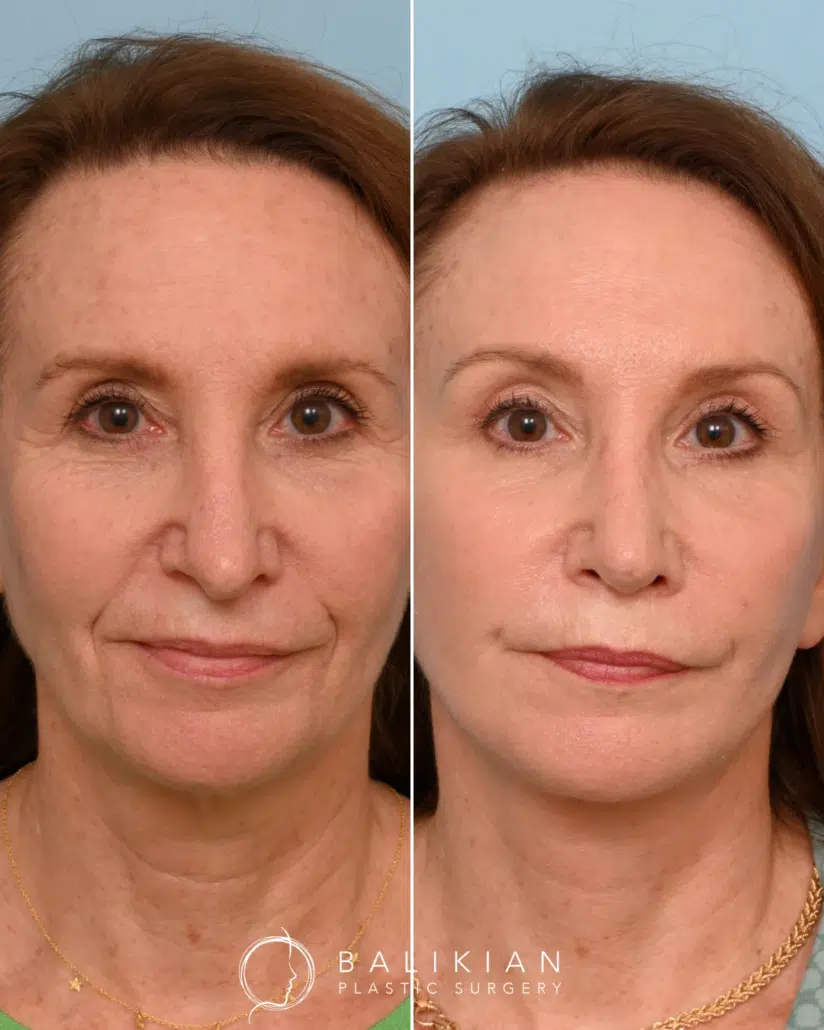

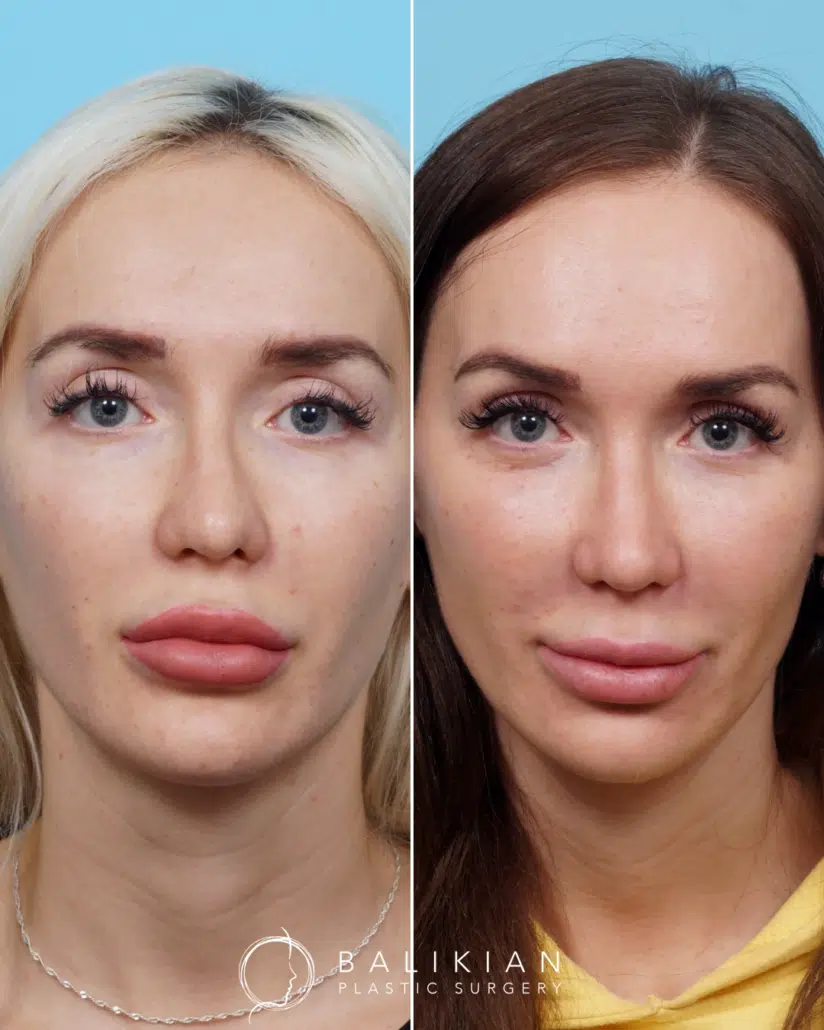
A successful revision begins with a thorough, personalized consultation. During this visit, your facial plastic surgeon will:
In some practices, 3D imaging may be used to simulate possible outcomes and set realistic expectations. After a detailed evaluation, your surgeon will develop a customized surgical plan designed to restore harmony, improve breathing (if needed), and deliver a natural-looking result.
It’s essential to allow your nose enough time to fully heal from the initial surgery before undergoing a revision.
Most surgeons recommend waiting at least 12 to 18 months after your primary rhinoplasty before considering revision surgery. This ensures that swelling has resolved and scar tissue has stabilized, providing a more accurate assessment of the final outcome.
Recovery from revision rhinoplasty is similar to primary rhinoplasty, although it may involve:
Most patients can return to work or light activities within 1 to 2 weeks, but final results may take 6 months to a year to fully emerge.
At Balikian Facial Plastic Surgery, we support your recovery with photobiomodulation therapy, including targeted blue and yellow light treatments.
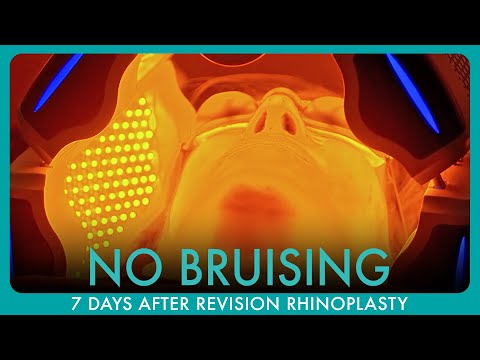
This non-invasive therapy is designed to reduce swelling, minimize bruising, and accelerate cellular healing, helping you feel and look better faster, especially important in complex revision cases.
Not every concern after a nose job requires surgical correction. In some cases, small imperfections may be treated non-surgically with dermal fillers (also known as a liquid rhinoplasty). However, if the issues are structural, functional, or significant enough to impact your confidence, revision surgery may be your best option.
The most important step is to consult with a board-certified facial plastic surgeon who specializes in rhinoplasty and has proven experience with revision cases. A skilled surgeon can determine whether revision is appropriate, and if so, craft a plan that carefully addresses both your concerns and your anatomy.
If you’re unhappy with the results of a previous rhinoplasty, revision surgery can offer a second chance at achieving your goals. Whether you’re seeking aesthetic improvement, functional correction, or both, working with an experienced facial plastic surgeon is essential for success.
Ready to explore your options? Schedule a consultation to see if revision rhinoplasty is right for you.
What distinguishes revision rhinoplasty from a primary rhinoplasty?
Revision rhinoplasty corrects issues from previous nose surgery. It is more complex because of scar tissue and altered anatomy, requiring advanced techniques and often cartilage grafting to rebuild structure and restore a natural look.
What is the typical revision rate after rhinoplasty?
Studies show revision rates between five and fifteen percent, with the most common concerns being nasal tip irregularities, asymmetry, and breathing problems that develop after the first procedure.
How long should I wait before revision rhinoplasty?
Most surgeons recommend waiting at least twelve months after the first surgery to allow swelling and scar tissue to settle, ensuring the final shape is stable before performing a revision.
Does revision rhinoplasty take longer to perform?
Yes. Because each case involves previous surgical changes, revision rhinoplasty often takes longer—typically two to three hours—and may require cartilage grafting or other reconstructive steps.
What materials are used in revision rhinoplasty?
Surgeons frequently use a patient’s own cartilage from the septum, ear, or rib to rebuild the nasal framework. These grafts provide stability and help achieve long-term, natural results.
Will I lose nasal sensation after revision rhinoplasty?
Temporary numbness or reduced sensitivity, especially around the tip, is common and usually improves gradually over several months as nerves heal and swelling subsides.
How does recovery differ from the first rhinoplasty?
Recovery after revision rhinoplasty can take longer due to scar tissue and additional grafting. Most swelling improves within weeks, but full definition and refinement may take up to a year.
What are the most common reasons for revision rhinoplasty?
Patients typically seek revision for uneven bridge contour, drooping or over-rotated tip, breathing issues, or structural collapse that changes the nose’s symmetry or function.
How are breathing problems addressed during revision surgery?
A skilled facial plastic surgeon evaluates both structure and function. Procedures like septal repair or valve reconstruction can restore airflow while refining the external shape.
What determines the difficulty of revision rhinoplasty?
Complexity depends on the number of prior surgeries, the quality of remaining cartilage, and the amount of scar tissue. Each case is individualized to restore balance and support.
Can revision rhinoplasty require another correction later?
Although uncommon, some patients may need a secondary touch-up if healing or scar tissue affects the final outcome. Choosing an experienced revision specialist reduces that risk.
How can expectations affect satisfaction with revision rhinoplasty?
Realistic goals and open communication are key. When patients understand the limitations and focus on natural, functional results, satisfaction rates are significantly higher.
Dr. Richard Balikian is a renowned facial plastic surgeon known for his dedication to patients throughout Southern California.
With more than two decades of experience and double board certification in Facial Plastic and Reconstructive Surgery and Otolaryngology – Head and Neck Surgery, he brings together surgical precision and an artist’s eye.
Dr. Balikian is among a select group of specialists whose advanced training is devoted entirely to procedures of the face and neck.
Richard V. Balikian, MD, FACS
Double Board-Certified Facial Plastic Surgeon
Balikian Facial Plastic Surgery: Richard V. Balikian, MD, FACS
Tyler Frew, MD
Board-Certified Plastic Surgeon

 Visualize Your Rhinoplasty Results With 3D Imaging