How to Choose a Rhinoplasty Surgeon. A Patient Guide
Learn how to choose a rhinoplasty surgeon. What to look for, key questions, and red flags. Plan for natural results and healthy breathing.
Selecting the right rhinoplasty surgeon matters. The nose is central to facial balance and to healthy breathing.
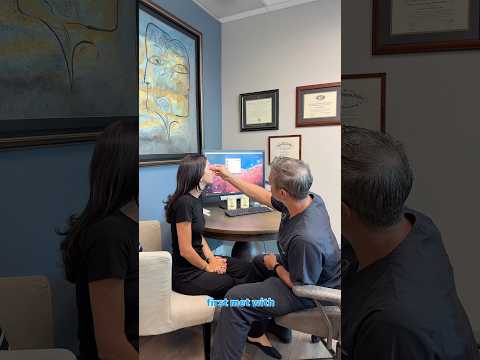
Rhinoplasty has measurable revision rates in the literature, so training, experience, planning, and follow-up all influence safety and satisfaction.
Start by focusing on proven training, consistent case results, and a method that protects both appearance and breathing.
A surgeon who meets these benchmarks and outlines a clear plan from consultation through follow up offers the best path to a natural result and healthy breathing.
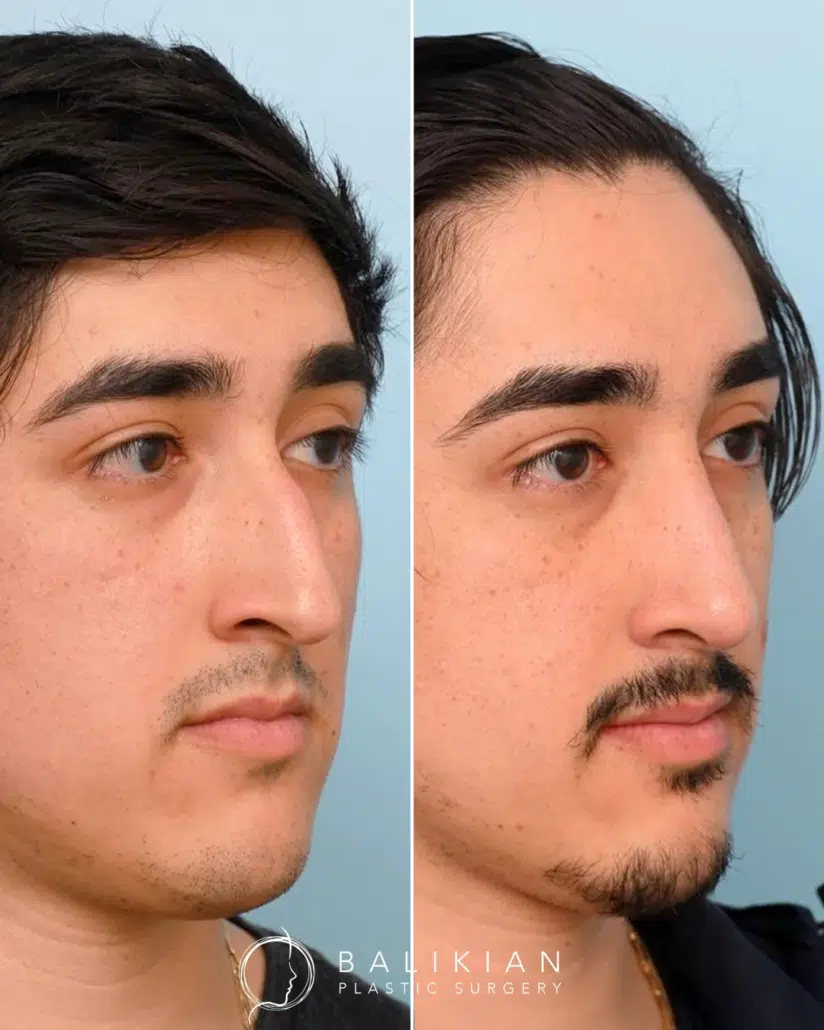

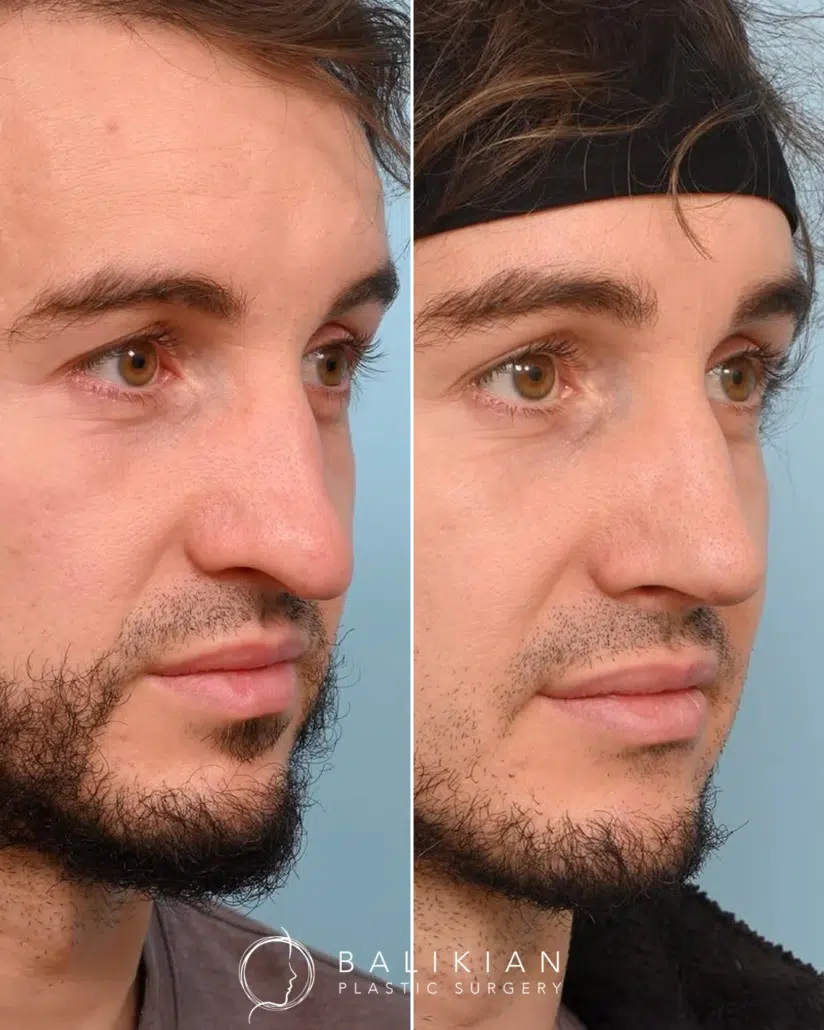

A strong consultation is a two-way conversation that aligns your goals with a careful exam of both appearance and breathing.
You should leave with a personalized plan, reference photos, and a simple recovery timeline so you know exactly what to expect from day one through full refinement.
Bring this checklist to your consultation to compare training, technique, safety, and follow up.
Choose a surgeon who answers clearly, shows matching case examples, and outlines a step by step plan from surgery through follow up.
Watch for these warning signs during your research and consultations.
If any appear, pause, get a second opinion, and choose a surgeon who offers clear answers, documented results, and accredited care.
Dr. Richard Balikian is a double board certified facial plastic surgeon who focuses on aesthetic and functional rhinoplasty. He treats primary and complex revision cases.
His approach blends detailed analysis, structural support when needed, and a natural aesthetic that respects facial balance and airflow.
Every plan is personalized. Every step is explained. Every result is designed to look like you.
What concerns can rhinoplasty address?
A hump on the bridge. A droopy or over rotated tip. A wide or asymmetric tip. Crookedness after injury. Breathing concerns caused by septal deviation or valve collapse.
Will rhinoplasty help my breathing?
Yes when functional issues are addressed at the same time. Your plan may include septoplasty or valve support to improve airflow.
Open or closed rhinoplasty. Which is better?
Both are effective. Your surgeon will choose the approach that best fits your anatomy and goals. The small external incision used in open rhinoplasty usually heals as a fine line.
How long does recovery take?
Plan one week off for most office jobs. Expect swelling and stuffiness early. Exercise usually resumes in stages after your surgeon clears you.
When will I see my final result?
You will see change right away. Most definition appears by three months. Subtle refinement continues for a year as swelling fades.
Will my results look natural?
That is the goal. Natural means your features remain in harmony and your nose fits your face from every angle.
How should I prepare for surgery?
Follow your preoperative instructions. Share your full medical history and medications. Stop smoking if applicable. Plan help at home for the first night.
Dr. Richard Balikian is a renowned facial plastic surgeon known for his dedication to patients throughout Southern California.
With more than two decades of experience and double board certification in Facial Plastic and Reconstructive Surgery and Otolaryngology – Head and Neck Surgery, he brings together surgical precision and an artist’s eye.
Dr. Balikian is among a select group of specialists whose advanced training is devoted entirely to procedures of the face and neck.
 Deep Plane vs. SMAS Facelift | Understanding the Techniques