Internal Bra Procedure : How It Supports Long-Term Breast Shape
Discover How The Internal Bra Breast Lift Works, Who It Helps, And What Recovery Looks Like With Dr. Tyler Frew
One of the most common concerns after breast surgery is how long the results will last. Even excellent breast lifts and augmentations can change over time due to gravity, skin quality, and natural aging.
The internal bra technique is designed to reinforce breast support from the inside and help your results last longer.
The internal bra is not an implant. It is a specialized internal support system placed during breast surgery to strengthen the breast from within.
Surgeons use a biocompatible mesh or scaffold that functions like an internal sling to:
Over time, your tissue integrates with the material and creates a stronger internal foundation.
An internal bra supports the breast from the inside, creating a stable foundation that complements a lift or augmentation.
The result is a higher, shapelier breast that keeps its position and upper-pole fullness longer, with durable support your tissues can rely on.
You may be a good candidate if you:
Your surgeon will evaluate skin quality, tissue strength, anatomy, and goals to determine if the internal bra procedure is appropriate for you.
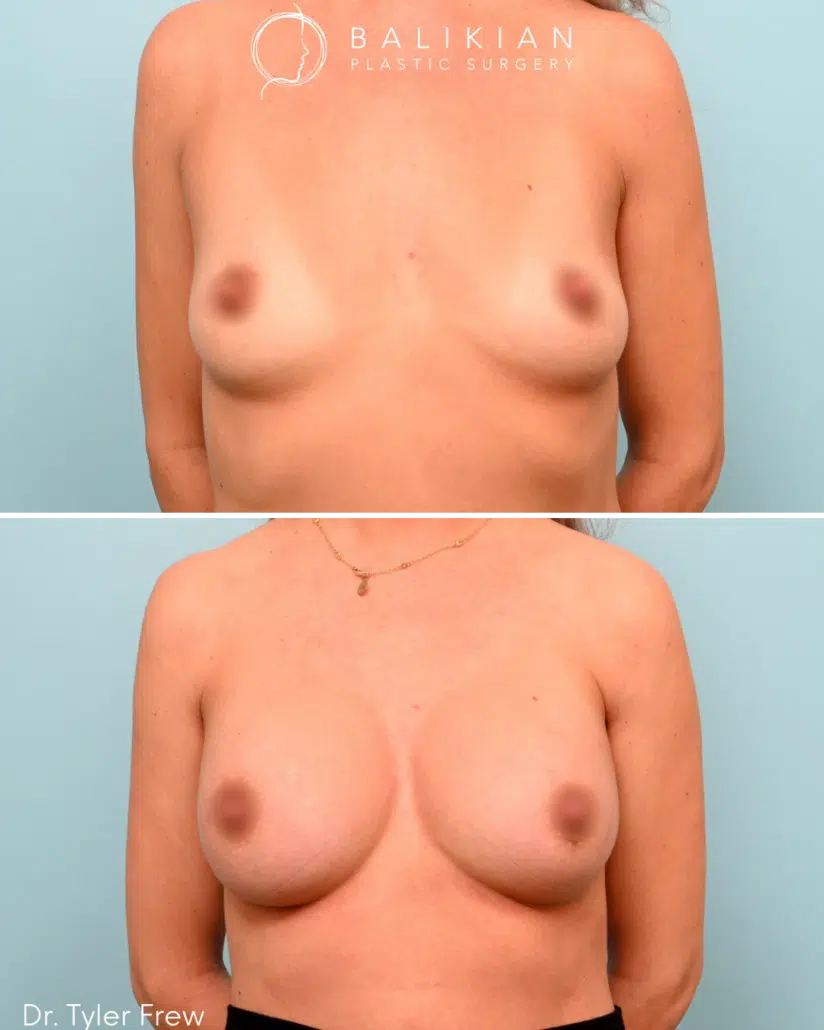
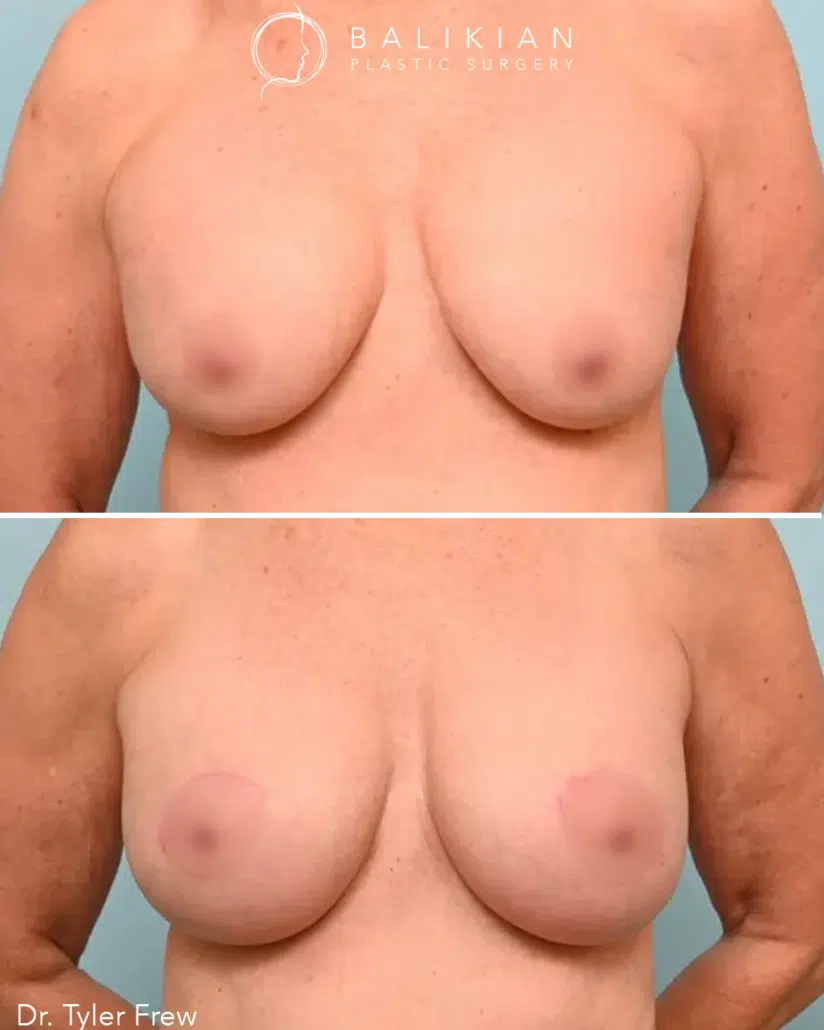

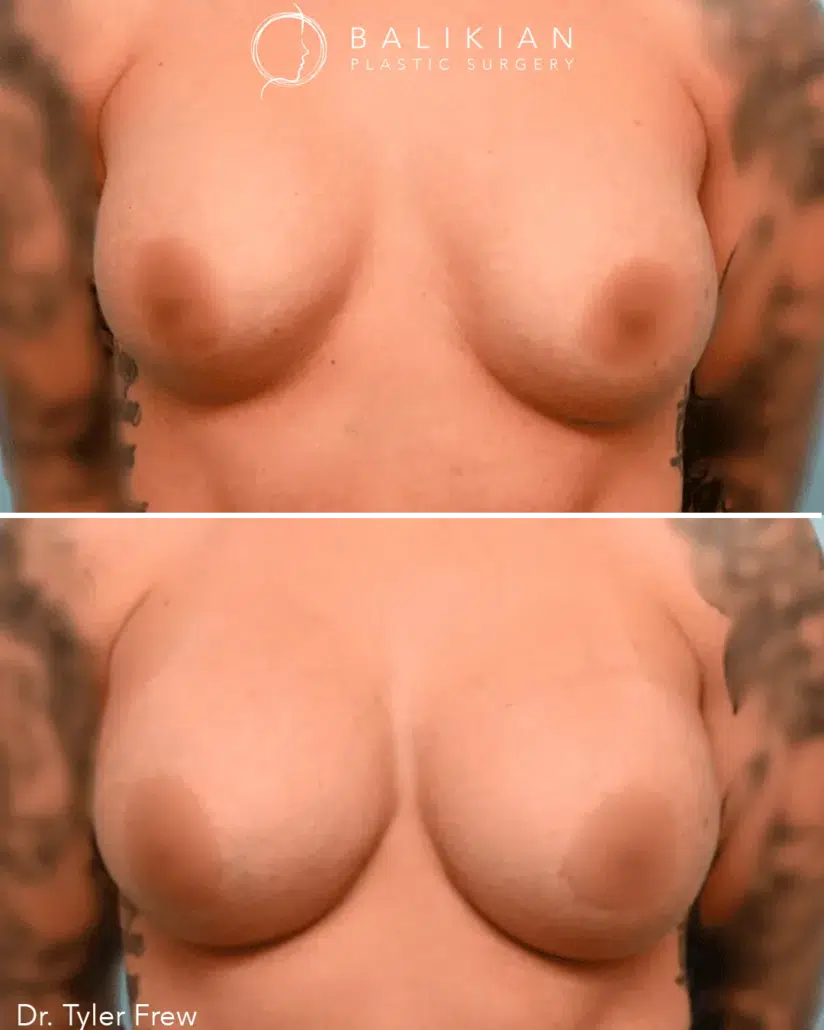
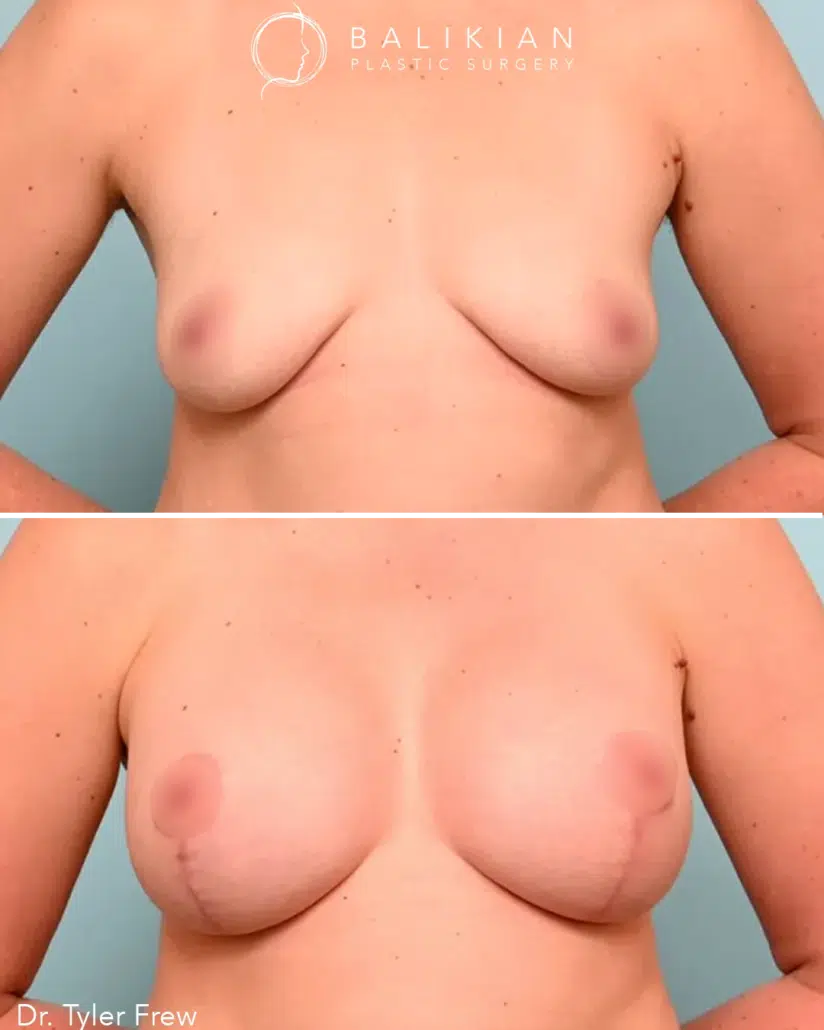
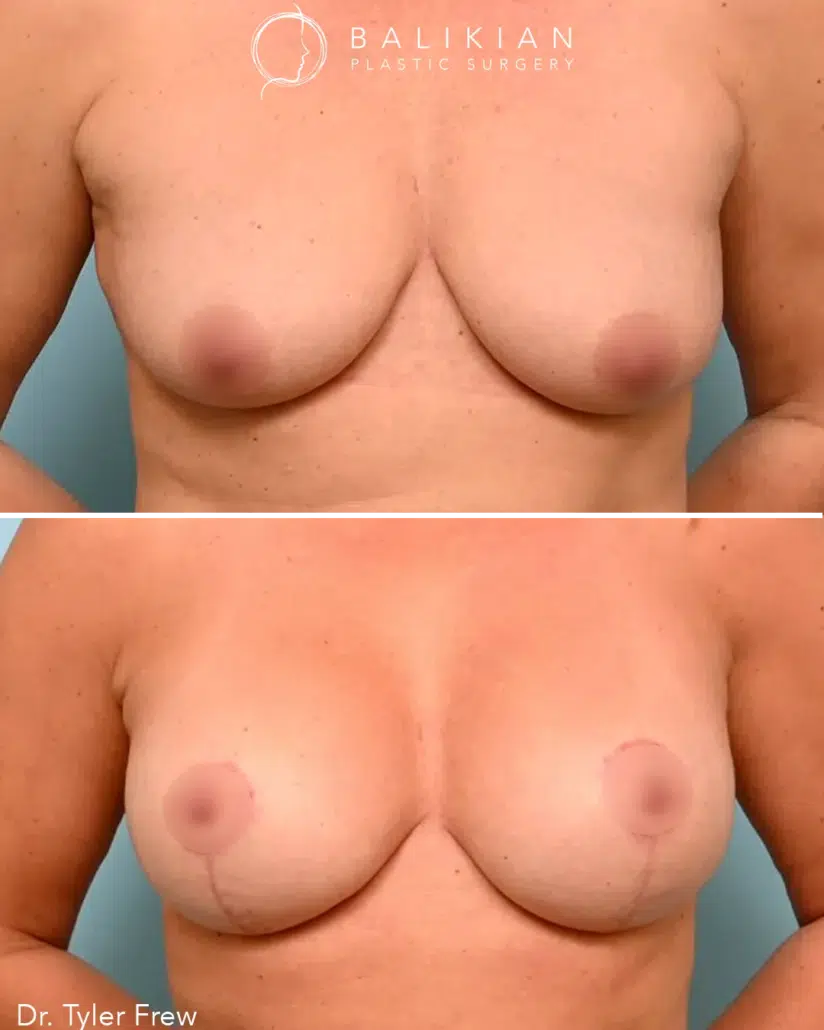
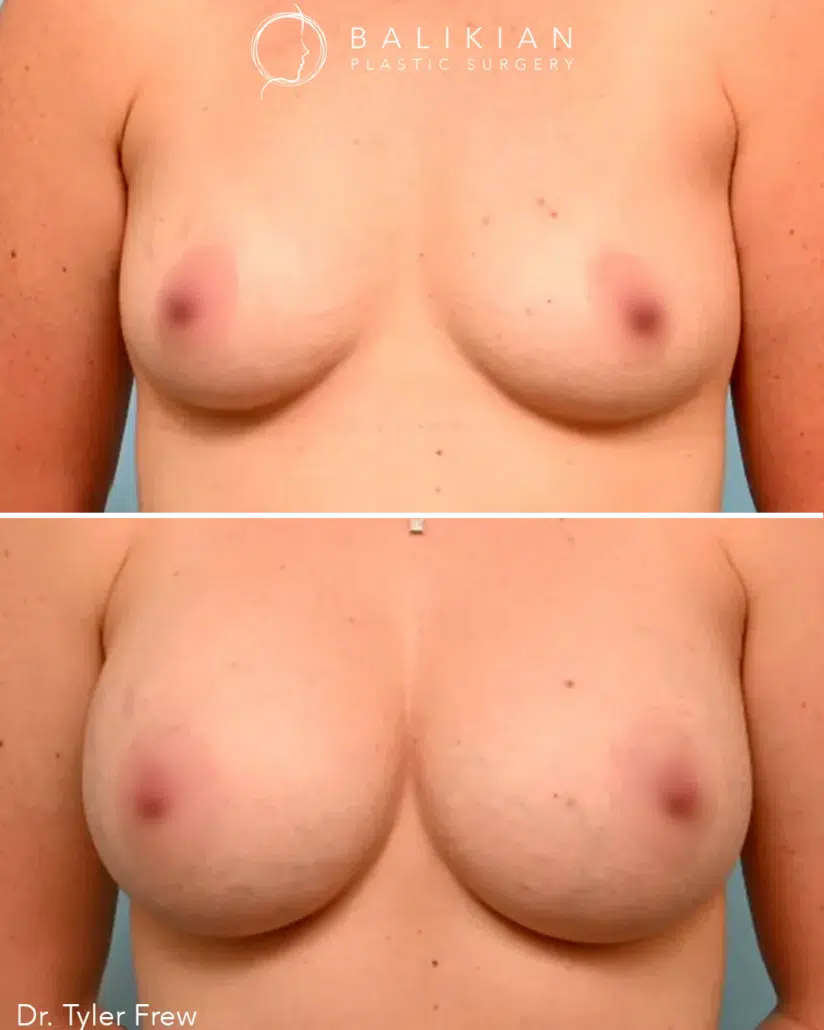
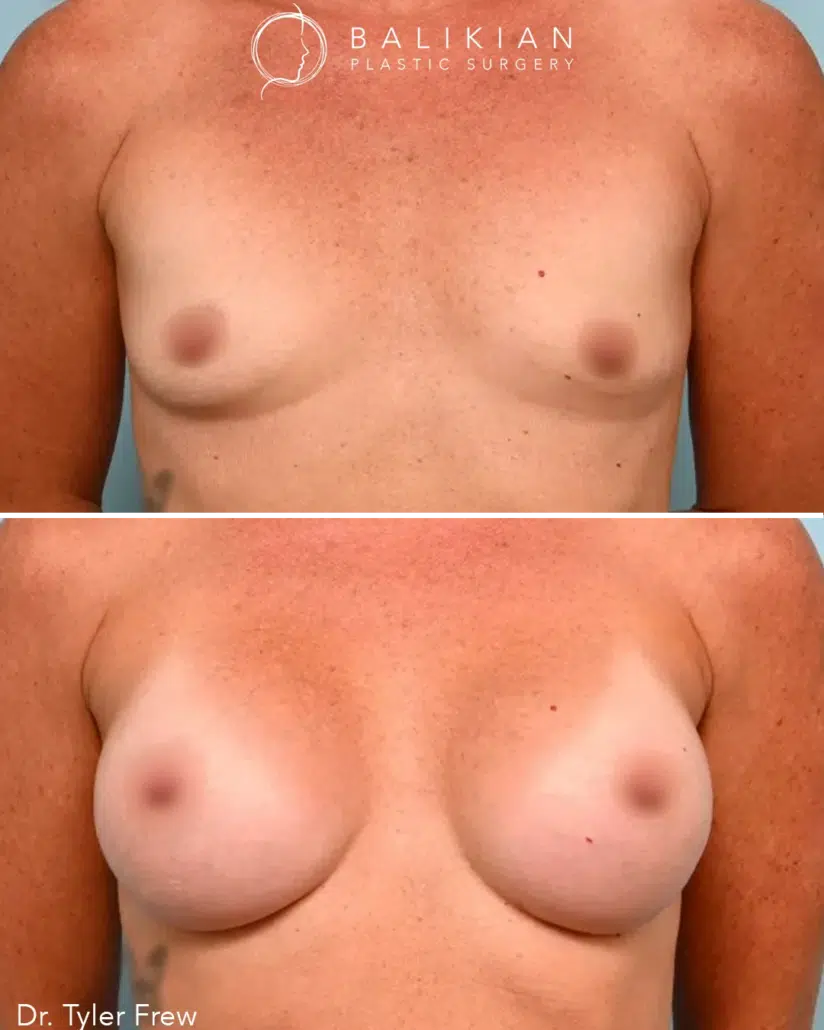
The internal bra technique is typically added to:
During surgery, the mesh or scaffold is contoured and anchored to internal structures to create a supportive sling. This helps set and maintain ideal breast position while minimizing long-term strain on the skin.
Internal bra support can be created with different mesh types, including absorbable and nonabsorbable options.
Your surgeon will review the pros and cons and select a material that aligns with your anatomy and goals.
Recovery is similar to a standard lift or augmentation, with the added benefit of internal support.
Enhanced recovery protocols can help reduce discomfort and support a smoother return to daily life.
Photobiomodulation uses gentle light energy to stimulate healing, reduce inflammation, and improve circulation. It supports the body’s natural repair process after surgery.
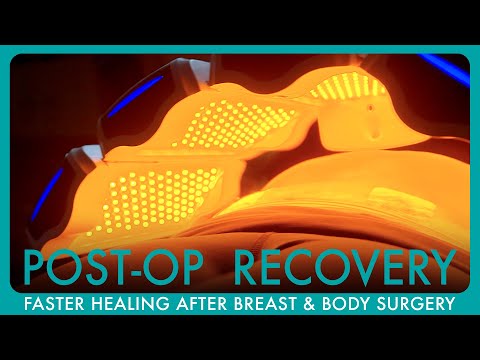
When combined with an internal bra procedure, this therapy can lessen swelling and bruising, shorten downtime, and help results appear sooner. Many patients also feel more comfortable during the early recovery phase.
An internal bra breast lift or augmentation can offer more predictable and durable support by reinforcing the structures that hold the breast.
For patients concerned about long-term shape, recurrent sagging, or implant position, this technique can be a valuable addition to a surgical plan.
Dr. Tyler Frew is a board-certified plastic surgeon who specializes in breast and body procedures. He is known for combining advanced surgical techniques with a personalized approach, ensuring every plan is tailored to each patient’s anatomy and goals.
By offering the internal bra procedure, Dr. Frew provides an added level of precision and long-term support. His focus is not only on creating beautiful results but also on helping patients feel confident and comfortable for years to come
What is an internal bra in breast surgery?
An internal bra is a supportive mesh or scaffold placed inside the breast to help hold the tissue and implant in a lifted, stable position. It acts like an internal hammock, reinforcing the lower pole and breast fold so your results stay perkier and more defined over time. Clinical studies describe it as an adjunct to mastopexy and augmentation that provides additional structural support rather than replacing the implant itself.
Is the internal bra a breast implant?
No. The internal bra is not a breast implant. It is a soft, flexible support material placed around or under the breast tissue and implant. Your breast volume and shape still come from your own tissue and the implant you choose. The internal bra simply supports that result from the inside.
What materials are used for an internal bra?
Most modern internal bra systems use either a biologic mesh (such as acellular dermal matrix) or a resorbable synthetic scaffold made from poly-4-hydroxybutyrate (P4HB). These materials are designed to integrate with your own tissue as your body heals, providing a combination of early mechanical support and long-term collagen reinforcement. Prospective studies of P4HB scaffolds in breast lifting show good incorporation and durable support.
How long does an internal bra last?
Resorbable meshes such as P4HB gradually dissolve over 18 to 24 months. During that time, they stimulate your body to lay down new collagen, leaving a thicker, stronger internal support layer in place of the mesh. Long-term follow up in mastopexy patients shows that breast position and shape remain improved several years later, even after the scaffold has been absorbed.
How long do results last?
Support is designed to improve shape retention over time. Longevity varies with tissue quality, aging, skin elasticity, and weight changes.
Is the internal bra safe?
In properly selected patients, internal bra materials have shown a favorable safety profile in published studies. Reported complication rates for mesh-assisted aesthetic breast surgery are generally low and include issues such as minor wound problems, seroma, or infection, which are also seen in standard breast surgery without mesh.
Who is a good candidate for an internal bra?
An internal bra is often recommended for patients who have very loose tissue, recurrent sagging after prior surgery, heavy implants, or a tendency for the breast to “bottom out.” It can also be helpful in complex revision cases or when you want extra long-term support for a lift with implants. During consultation, Dr. Frew evaluates your skin quality, breast weight, and surgical history to decide if this additional support makes sense for you.
Can an internal bra be used with a breast lift or augmentation?
Yes. The internal bra is most commonly combined with mastopexy, augmentation, or augmentation-mastopexy. It supports the lower breast, helps maintain the new fold position, and can reduce the risk of recurrent ptosis or implant descent after a lift. Studies of mesh-assisted mastopexy and augmentation describe improved shape and more stable lower‐pole support over time.
Does an internal bra reduce the risk of sagging again?
Evidence suggests that adding mesh reinforcement can help maintain breast position and reduce recurrent ptosis or bottoming out, particularly in heavier breasts or revision cases. In a prospective study of P4HB mesh in mastopexy, breast projection and upper pole fullness remained significantly improved at long-term follow up.
Will I be able to feel the internal bra or see it through my skin?
Most patients do not feel the internal bra as a separate structure once healing is complete. The mesh lies deep to the breast tissue and gradually integrates with your own collagen. It is not visible through the skin and should not change how the breast feels in everyday life.
Does the internal bra change mammograms or cancer screening?
The internal bra is placed deep within the soft tissue and typically does not interfere with standard mammography. It does not replace routine breast screening. You should always tell your radiology team that you have implants and mesh so they can interpret images appropriately and use implant-specific mammogram views when needed.
Are there extra risks or complications with an internal bra?
Any added material can slightly increase the chance of fluid collection, infection, or delayed healing, which is why patient selection and meticulous technique matter. Systematic reviews show that when mesh is used thoughtfully in aesthetic surgery, complication rates remain acceptable and are often offset by improved long-term support.
How does recovery differ when an internal bra is used?
Recovery is very similar to standard breast surgery. You still wear support garments, avoid heavy lifting, and follow activity restrictions while the tissue heals. The internal bra works in the background, supporting the repair as your body forms new collagen. Most patients do not feel that recovery is significantly longer or harder than a lift or augmentation without mesh, but they may benefit from a more stable result over time.
Dr. Tyler Frew is a board-certified plastic and reconstructive surgeon specializing in aesthetic surgery of the breast and body.
He is known for delivering natural-looking results through advanced techniques in breast enhancement, tummy tuck, liposuction, and mommy makeover procedures.
Dr. Frew combines surgical expertise with compassionate, patient-focused care, helping each individual restore confidence and achieve their personal aesthetic goals.

Richard V. Balikian, MD, FACS
Double Board-Certified Facial Plastic Surgeon
Balikian Facial Plastic Surgery: Richard V. Balikian, MD, FACS
Tyler Frew, MD
Board-Certified Plastic Surgeon

 Botox Around the Eyes | What You Need to Know