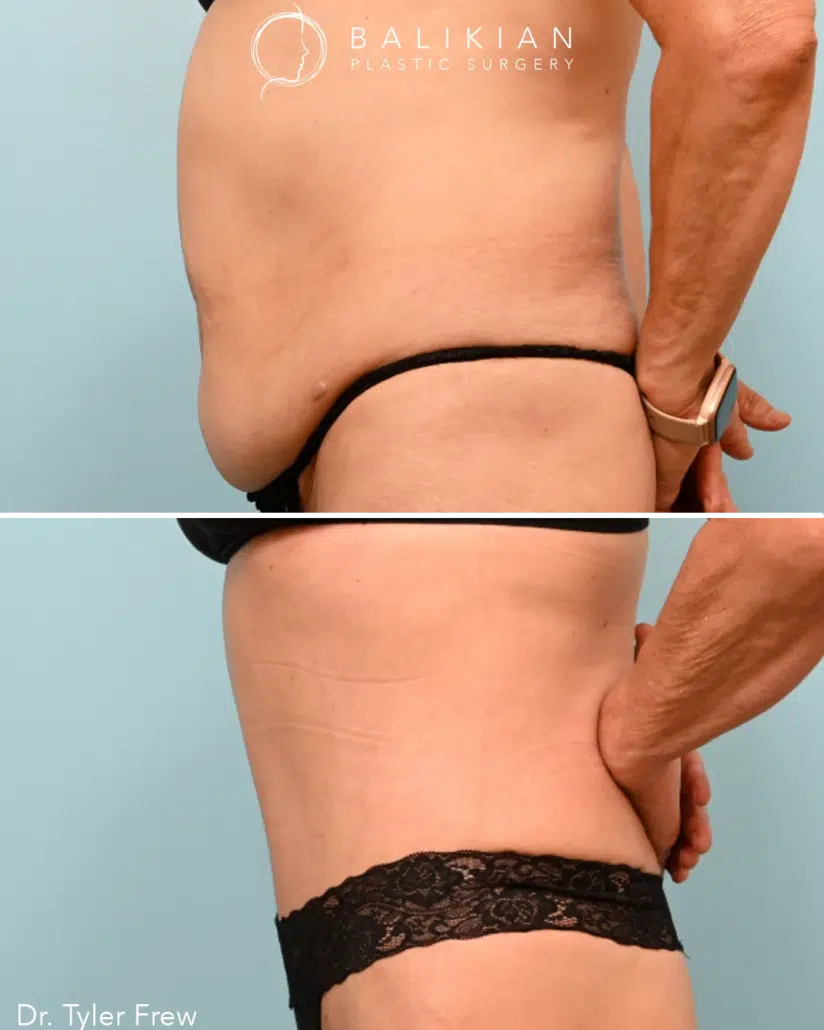
A Comprehensive Approach to Body Contouring
The final result of liposuction depends on more than the amount of fat removed. It also depends on where fat is left behind and how treated areas transition into the surrounding body.
Removing fat from the abdomen without considering the waist and flanks may leave the torso looking incomplete. Treating only one visible bulge may also fail to improve the overall silhouette.
Dr. Cuber evaluates how the abdomen, waist, hips, flanks and back relate to one another. His treatment plan is designed around the patient’s natural frame and the areas that most affect her or his overall shape.
The goal is a smoother contour that looks balanced from the front, sides and back.
What Is Lipo 360?
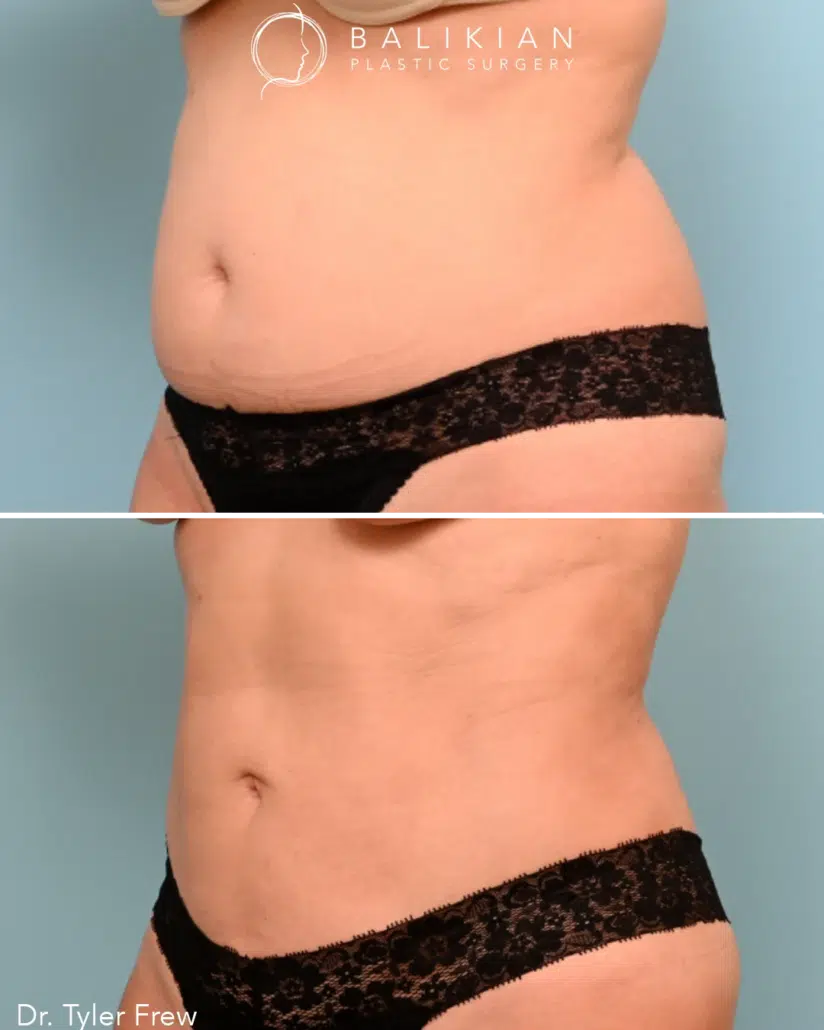
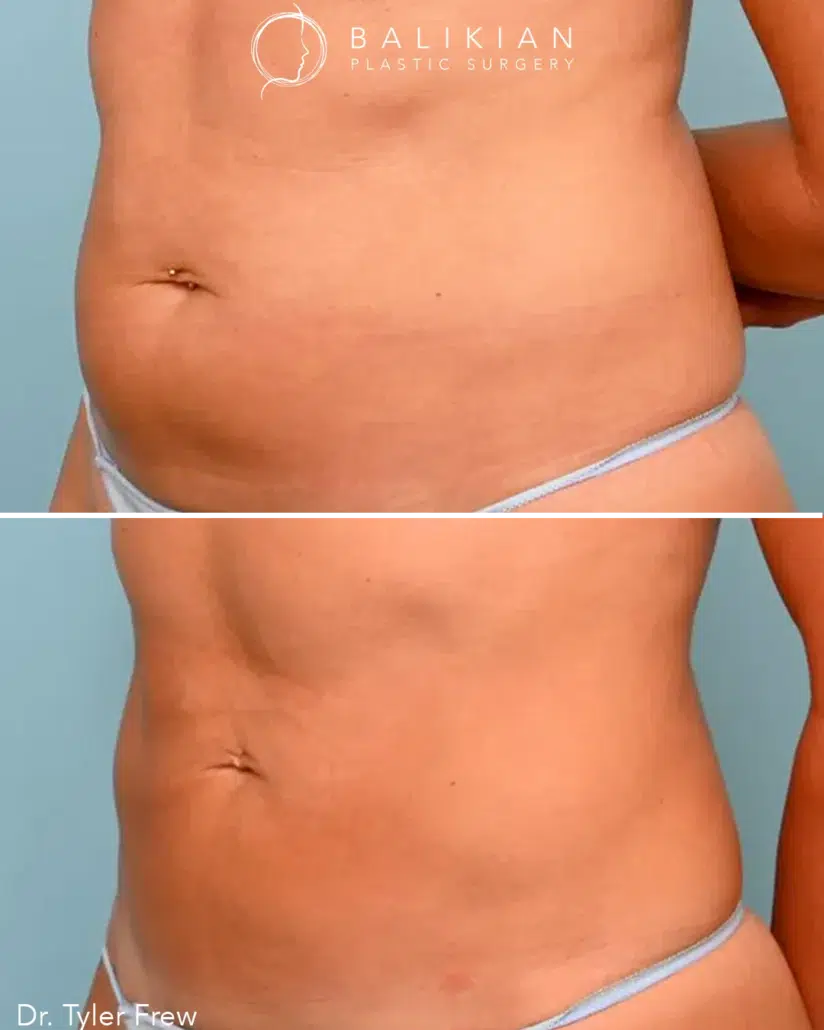
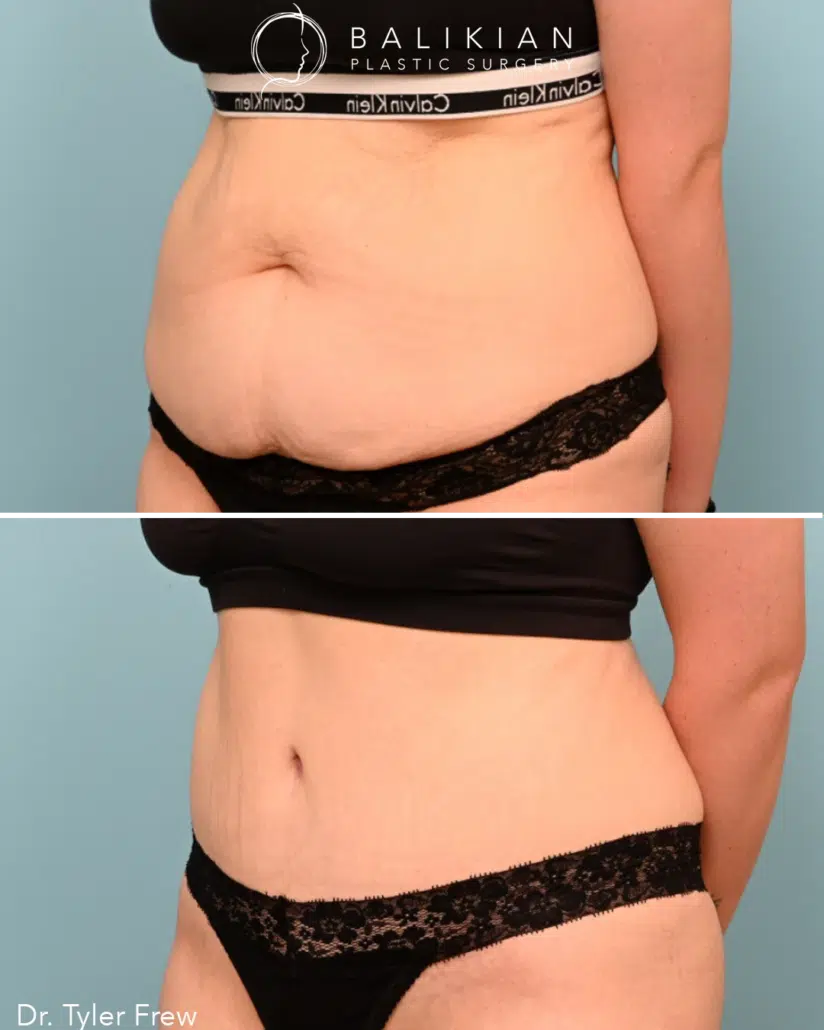
Lipo 360 refers to circumferential liposuction of the torso. Instead of treating the abdomen alone, Dr. Cuber may remove fat from several connected areas around the midsection.
Treatment may include:
- Upper and lower abdomen
- Waist
- Hips and flanks
- Lower back
- Middle or upper back
Treating the torso from multiple angles can flatten the abdomen, narrow the waist and improve the transition into the hips and back.
Dr. Cuber frequently uses this broader approach when treating the midsection because the waistline is created by the relationship between all of these areas. Removing fat from the waist and flanks can be especially important for creating greater definition and improving how clothing fits.
Lipo 360 should not be confused with a circumferential body lift or 360 tummy tuck. Lipo 360 removes fat, while a circumferential body lift removes loose skin around the torso and may also lift the buttocks.
Power-Assisted Liposuction
Dr. Cuber commonly uses power-assisted liposuction, also called PAL.
Power-assisted liposuction uses a cannula that moves rapidly to help separate and remove fat. Dr. Cuber finds that this technique allows him to remove fat efficiently while reducing unnecessary trauma to the surrounding tissues.
For Dr. Cuber, the benefits of power-assisted liposuction include:
- Controlled fat removal
- Efficient treatment of larger or multiple areas
- Precise contouring
- Less physical trauma to the tissues
- A potentially easier recovery than more traumatic fat-removal techniques
The technology assists the procedure, but the quality of the contour still depends on surgical planning, cannula control and an understanding of body proportions.
VASER Liposuction
Dr. Cuber may also use VASER, an ultrasound-assisted liposuction technology. VASER uses ultrasound energy to help loosen fat before it is removed. It can be useful when greater contouring control is desired or when Dr. Cuber wants to combine fat removal with additional tissue treatment.
Potential applications include:
- More controlled fat removal
- Refining selected contours
- Treating areas with denser fatty tissue
- Supporting skin contraction in appropriately selected patients
- Combining liposuction with other body-contouring procedures
VASER is not necessary for every patient or every treatment area. Dr. Cuber selects the technique according to the patient’s anatomy, skin quality and the amount of contouring required.
Renuvion and Mild Skin Laxity
For patients with mild skin looseness, Dr. Cuber may use Renuvion in combination with liposuction. Renuvion delivers energy beneath the skin to encourage tissue contraction. Dr. Cuber may consider it in areas such as the arms or inner thighs, where the skin does not always retract as predictably after fat removal.
VASER and Renuvion may help improve skin tightening in selected patients with mild laxity. They do not replace an arm lift, thigh lift or tummy tuck when substantial loose skin is present.
Dr. Cuber determines whether the skin is likely to respond to an energy-assisted approach or whether removing the excess skin would create a more reliable result.
Areas Commonly Treated With Liposuction
Liposuction can be used to contour many areas of the body, including:
- Abdomen
- Waist
- Hips and flanks
- Lower back
- Middle and upper back
- Inner and outer thighs
- Knees
- Upper arms
- Male chest
- Area beneath the chin
Several areas may be treated during one operation when doing so is appropriate. The number of areas depends on the patient’s health, the anticipated volume of fat removal and whether liposuction is being combined with another procedure.
Combining Liposuction With Other Procedures
Dr. Cuber frequently combines liposuction with other body-contouring procedures because fat removal and skin reshaping often complement one another.
Liposuction With a Tummy Tuck
A tummy tuck removes loose abdominal skin and repairs separated muscles, but it does not address all of the fat around the waist and back.
Dr. Cuber combines liposuction with most tummy tucks to improve the waistline and contour the surrounding midsection. He finds that the two procedures work together to create a flatter abdomen and a more defined relationship between the waist, hips and back.
Liposuction With a Brazilian Butt Lift
A Brazilian Butt Lift uses fat collected through liposuction to improve the shape of the buttocks and hips.
Dr. Cuber commonly removes fat from the abdomen, waist, hips, flanks and back. Contouring these donor areas can be just as important as the fat transfer because narrowing the waist helps improve the overall waist-to-hip relationship.
Liposuction With an Arm or Thigh Lift
Dr. Cuber frequently includes liposuction when performing arm lifts and thigh lifts.
Removing fat can improve the contour, make skin removal more effective and reduce unnecessary tension on the skin closure. The combination is planned carefully because the goal is to remove loose skin while also improving the shape beneath it.
Liposuction for Gynecomastia
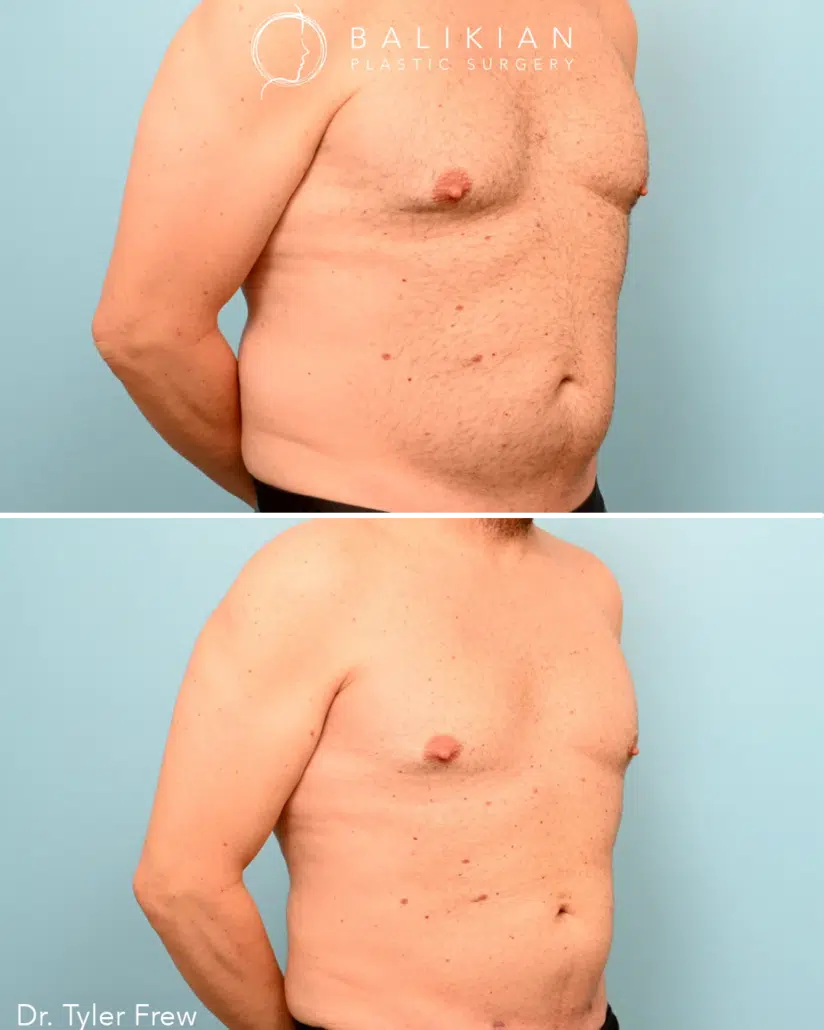
Men with gynecomastia may have both excess glandular tissue and fat across the chest.
Dr. Cuber often combines removal of the glandular tissue with chest liposuction to create a flatter contour and improve definition around the pectoral muscles.
Natural-Looking Liposuction Results
Natural-looking liposuction does not mean removing every available fat cell. Some fat must remain to preserve smoothness and avoid an overly hollow or irregular appearance.
Before surgery, Dr. Cuber evaluates the patient while standing and considers:
- Existing fat distribution
- Skin elasticity
- Muscle tone
- Differences between the two sides
- The relationship between adjacent areas
- Overall height, weight and frame
- The patient’s preferred degree of definition
These factors help determine where fat should be removed, how aggressively each area should be treated and where smooth transitions must be maintained.
Every body has natural curves and asymmetries. The objective is to refine those contours while creating a shape that remains appropriate for the patient.