Dysport vs. Botox for Crow’s Feet : Which Is Better for Smoothing Eye Wrinkles?
Compare How Dysport and Botox Target Crow’s Feet, Reduce Fine Lines, and Deliver a Smoother, More Youthful Look
Crow’s feet, those fine lines that appear at the outer corners of your eyes, are often among the first signs of aging. Caused by years of squinting, smiling, and sun exposure, these tiny wrinkles can deepen over time and make you look more tired or older than you feel.
Fortunately, injectable neuromodulators like Botox and Dysport offer an effective way to smooth crow’s feet and restore a more youthful, refreshed appearance. But how do these two treatments compare?
Let’s break it down.
Crow’s feet form from the repeated contraction of the orbicularis oculi muscles, the ones that help your eyes squint, blink, and express emotion. Over time, this motion creates etched-in lines at the corners of the eyes, especially as skin loses collagen and elasticity with age.
Both Botox and Dysport are FDA-approved injectables made from botulinum toxin type A. They work by temporarily relaxing targeted facial muscles, preventing them from contracting and softening the appearance of dynamic wrinkles like crow’s feet.
While they are similar, subtle differences in their formulas can affect how they spread, how quickly they work, and how long they last.
When choosing between Dysport and Botox to treat crow’s feet, understanding their differences in spread, onset, and cost can help you make a more informed decision.
While both injectables are effective, the best option for you will depend on your anatomy, treatment goals, and how quickly you’d like to see results.
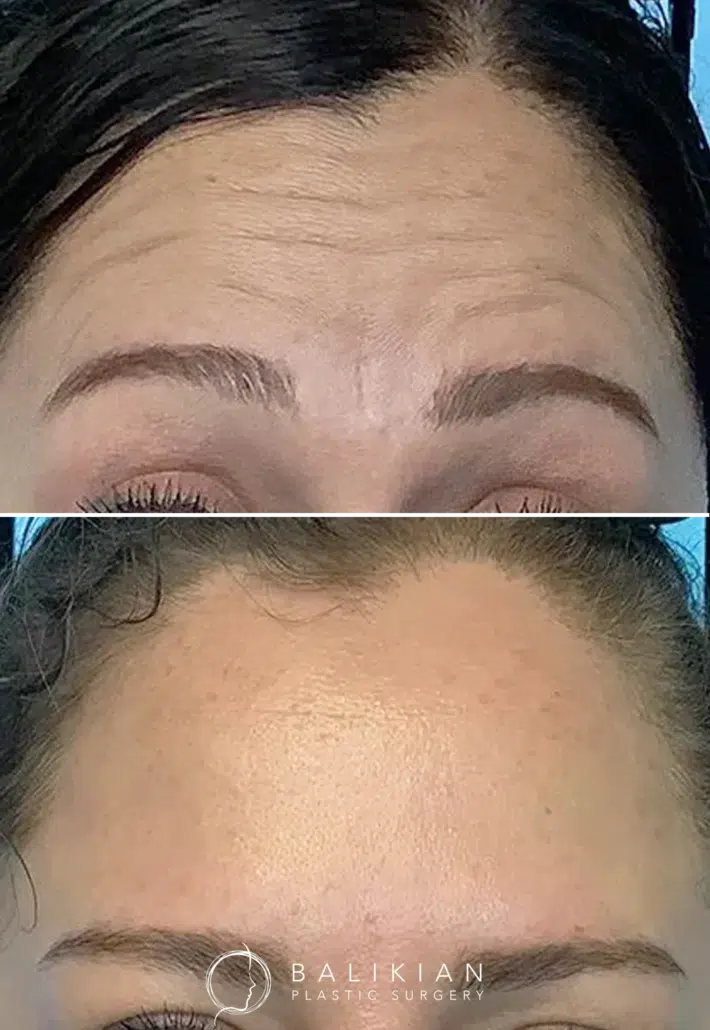
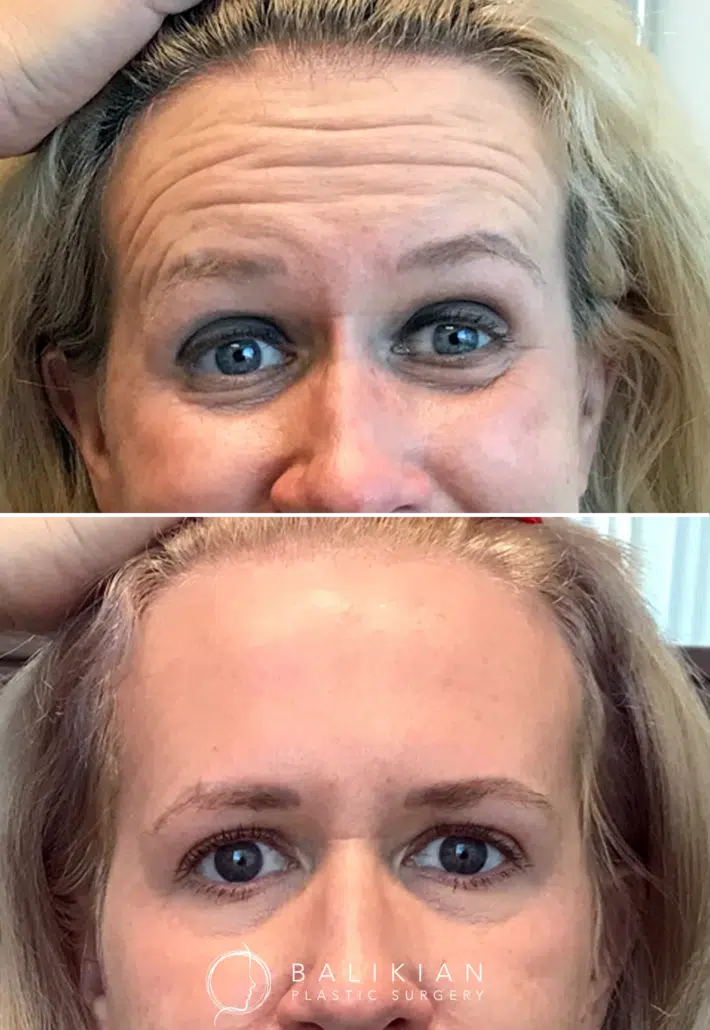
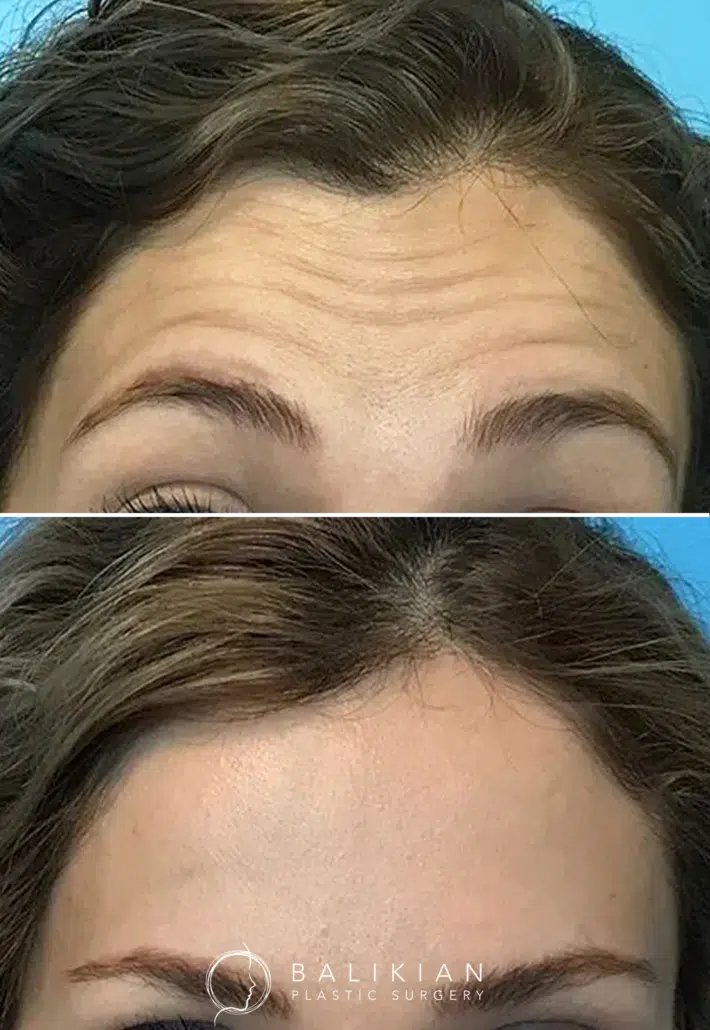

Both Botox and Dysport are excellent options for reducing the appearance of crow’s feet, the right choice often comes down to individual anatomy, aesthetic goals, and how your body responds to treatment.
An experienced injector can determine which option will deliver the best outcome for your specific concerns.
A typical session takes less than 30 minutes and involves several tiny injections at the outer corners of the eyes. Most patients describe it as quick and relatively painless, with no downtime. Mild swelling or bruising may occur but typically resolves within a few days.
Results begin to appear within a few days and last about three to four months. Regular maintenance treatments can help preserve your smoother, more youthful appearance.
If crow’s feet are bothering you, both Dysport and Botox can provide beautiful, natural-looking results without surgery or downtime.
Choosing the right treatment comes down to your skin, goals, and working with an expert injector who understands facial anatomy.
Whether you’re new to injectables or looking to fine-tune your current regimen, our experienced team at Balikian Plastic Surgery is here to help.
Schedule a consultation today to learn whether Dysport or Botox is right for you.
Are Botox and Dysport equally effective for crow’s feet?
Yes — comparative studies (e.g. split-face designs) show that Botox (onabotulinumtoxinA) and Dysport (abobotulinumtoxinA) can yield equivalent wrinkle reduction when dosed appropriately (often ~1:3 ratio) with similar tolerability.
Why might Dysport onset feel faster than Botox?
Dysport has a slightly higher diffusion/spread characteristic and formulation differences that can lead to a perceptually quicker onset in some patients. Some clinical reports and practitioner observations suggest that effects may appear earlier with Dysport in certain areas.
What is the recommended injection pattern for crow’s feet?
International consensus guidelines recommend three injection points per side in the lateral orbicularis oculi region, each with ~5–10 units (subject to product and technique) to balance efficacy and safety.
Does dilution or concentration of neuromodulators affect side effects?
Yes. Higher concentration (less dilution) may decrease diffusion but increase local intensity; more dilute solutions may diffuse more and risk affecting adjacent muscles (e.g. causing eyelid ptosis). A recent study comparing two dilutions found no major differences in efficacy or safety except a slightly higher ptosis rate in the more concentrated group.
Does combining Dysport/Botox with fillers improve outcomes for crow’s feet?
Yes. Some pilot studies (e.g. combining Dysport with hyaluronic acid in the periorbital and temporal areas) showed additive aesthetic benefits, smoothing movement lines while volumetrically supporting adjacent tissue.
Is there risk of developing resistance (antibodies) with repeated neuromodulator use?
Though rare in cosmetic doses, repeated injections, high cumulative dose, or frequent booster timing may increase the risk of neutralizing antibody development, possibly reducing response over time. Evidence suggests formulations with lower protein loads have lower antigenicity (e.g. incobotulinumtoxinA).
How long do effects last in the crow’s feet area?
Duration typically ranges 3 to 4 months, though some users report longer. Comparative pharmacodynamic research suggests that, when using a 2.5:1 dose ratio, Dysport may have a modestly longer duration than Botox in some settings.
What are common or expected side effects around the eyes?
Mild bruising, swelling, tenderness at injection sites, and temporary asymmetry are common. More rarely, diffusion to nearby muscles can cause eyelid ptosis or diplopia; careful technique, proper dosing, and spacing reduce those risks.
Can neuromodulators prevent crow’s feet from worsening in younger patients?
Yes — “prejuvenation” or early use of lower, controlled doses can reduce repetitive motion over years, potentially slowing wrinkle deepening. Many injectors advocate “baby Botox” or maintenance dosing for younger patients.
How should I choose between Dysport or Botox for my eyes?
Ask about your injector’s experience with each, how your anatomy reacts (e.g. sensitivity, tendency to diffuse), dose plans, and whether they prefer one for spread vs precision. While both are efficacious, individual nuance can favor one over the other in your case.
Is one neuromodulator safer than the other around the eye?
Safety in experienced hands is comparable. Some reviews note a slightly higher reported incidence of adverse events (e.g. dysphagia in other body uses) for Dysport vs Botox in certain comparative studies, but in aesthetic facial use the difference is minimal when proper technique is used.
How often should I repeat injections for crow’s feet?
Most patients retreat every 3 to 4 months, depending on how long the effect holds for them. Avoiding overtreatment or extremely frequent boosters helps minimize diffusion risk or tolerance development.

Richard V. Balikian, MD, FACS
Double Board-Certified Facial Plastic Surgeon
Balikian Facial Plastic Surgery: Richard V. Balikian, MD, FACS
Tyler Frew, MD
Board-Certified Plastic Surgeon
 Understanding Rhinoplasty and Septorhinoplasty Surgery