Reduction Mammoplasty Recovery | What Patients Should Know
A Complete Guide to Reduction Mammoplasty Recovery, Covering Week by Week Healing and How Breast Shape Evolves Over Time.
Breast reduction surgery, also known as reduction mammoplasty, is a highly effective procedure for relieving physical discomfort caused by overly large breasts while improving proportion, posture and overall quality of life.
Understanding what recovery looks like helps patients feel prepared, confident and supported throughout the healing process.

This guide explains what patients can expect during reduction mammoplasty recovery, including timelines, activity restrictions, pain management and long term healing. Recovery details are always personalized by Dr. Tyler Frew based on surgical technique, tissue volume removed and individual healing factors.
Every patient heals at a different pace. Several factors influence how quickly and comfortably recovery progresses after breast reduction surgery.
Understanding these factors helps set realistic expectations and allows patients to actively support the healing process.
Supporting your recovery with the right daily habits can make healing more comfortable and help results settle smoothly and predictably.
These small but important habits can make a meaningful difference in how comfortably and efficiently reduction mammoplasty recovery progresses.
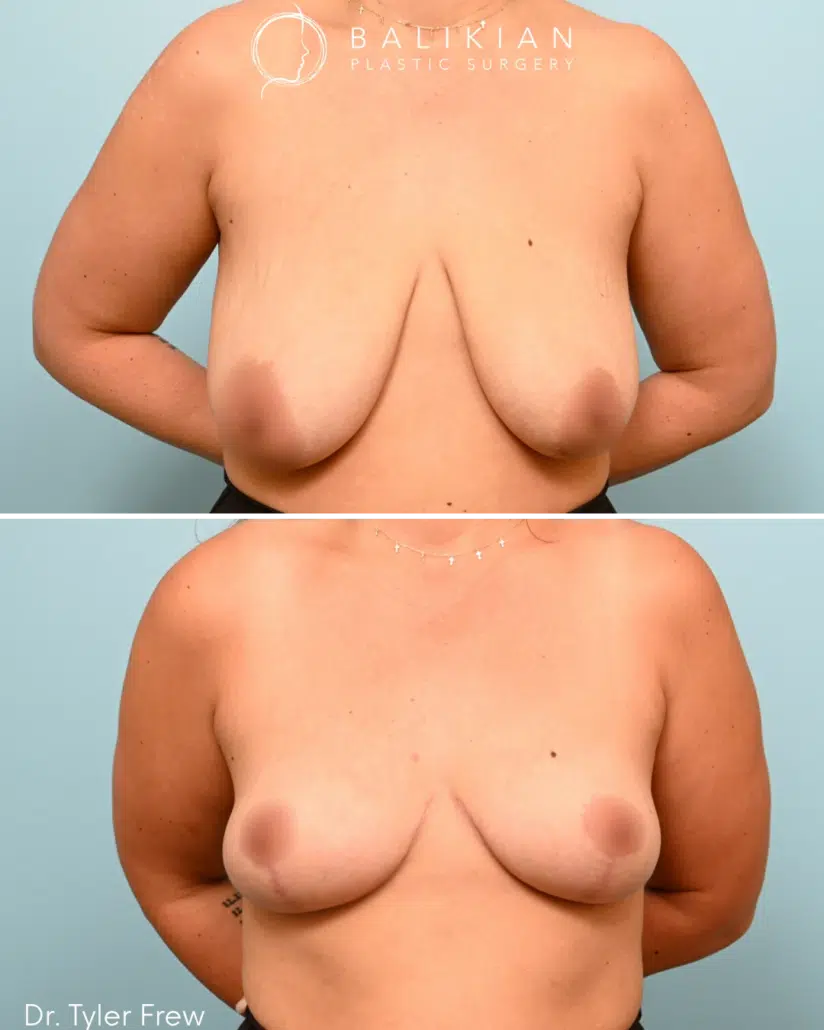
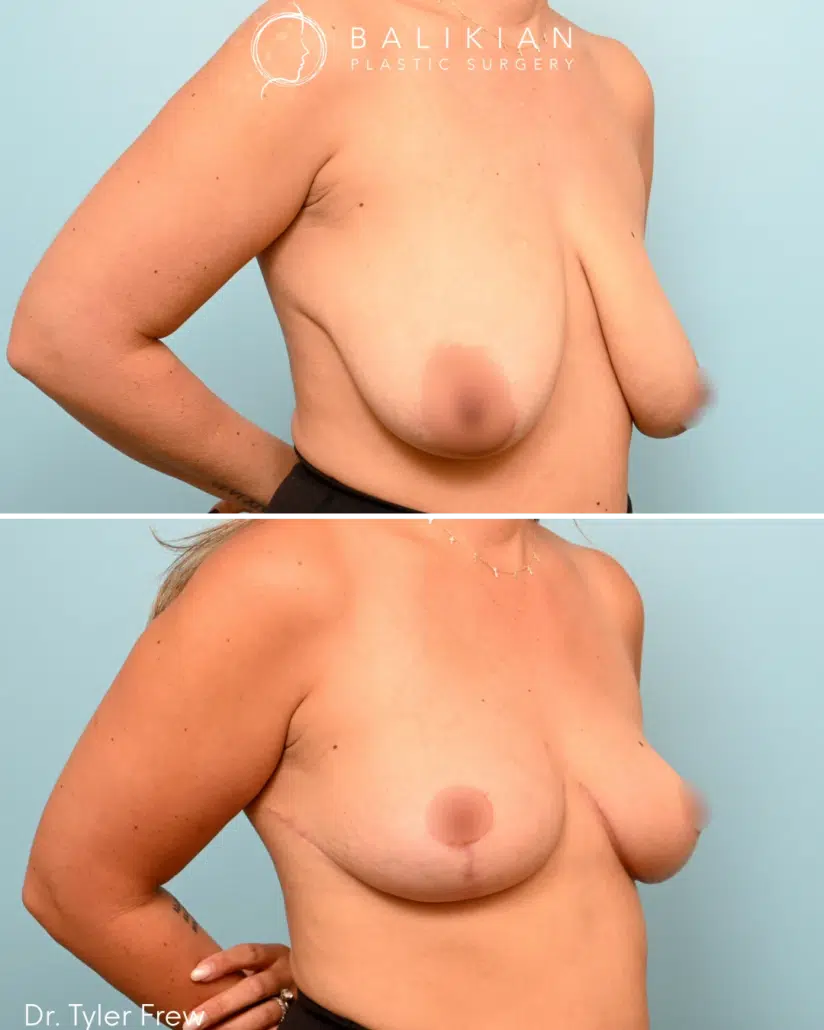
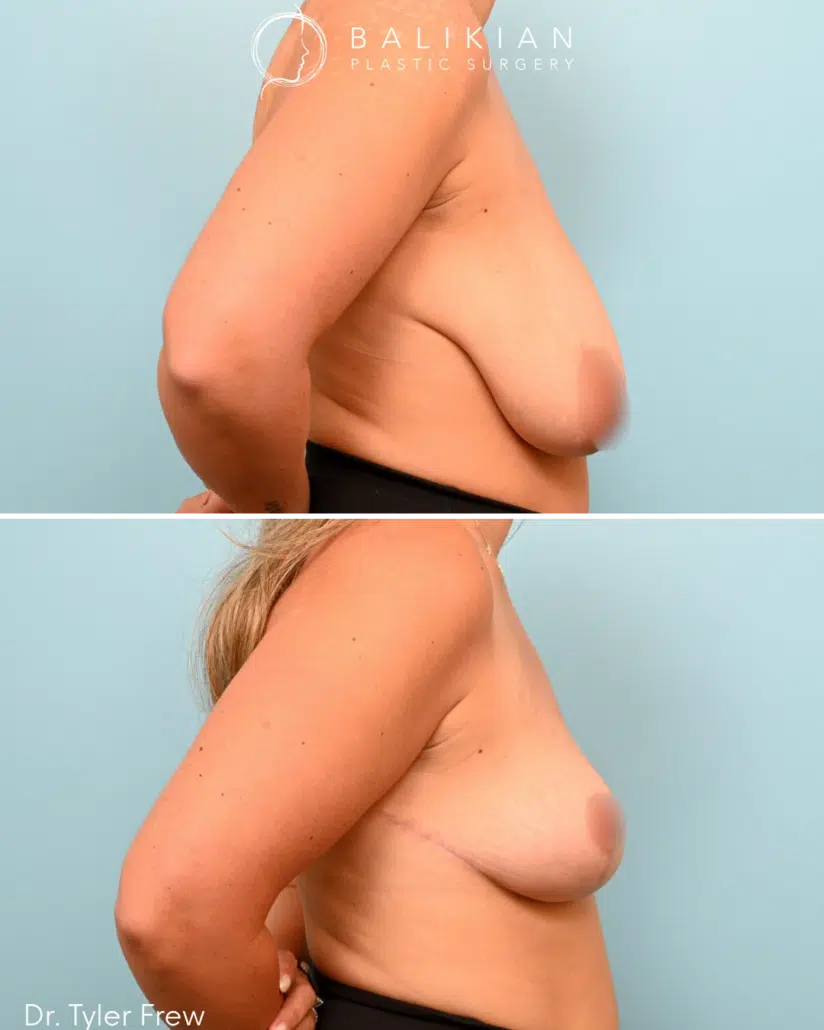
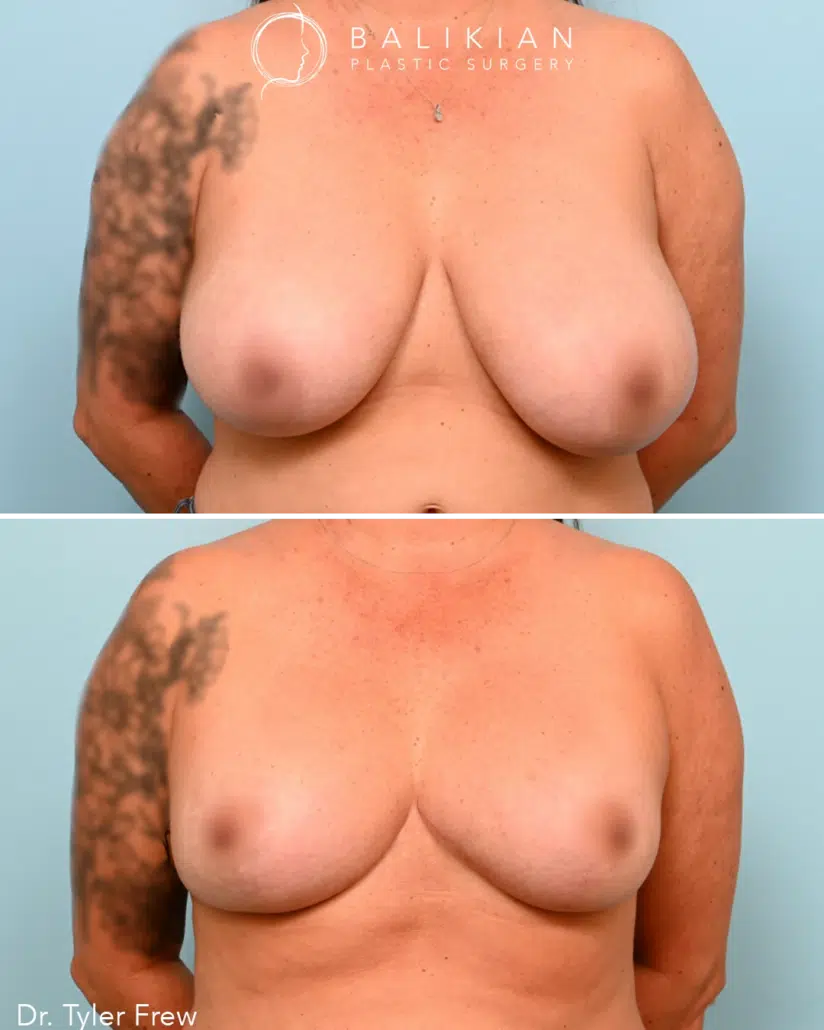
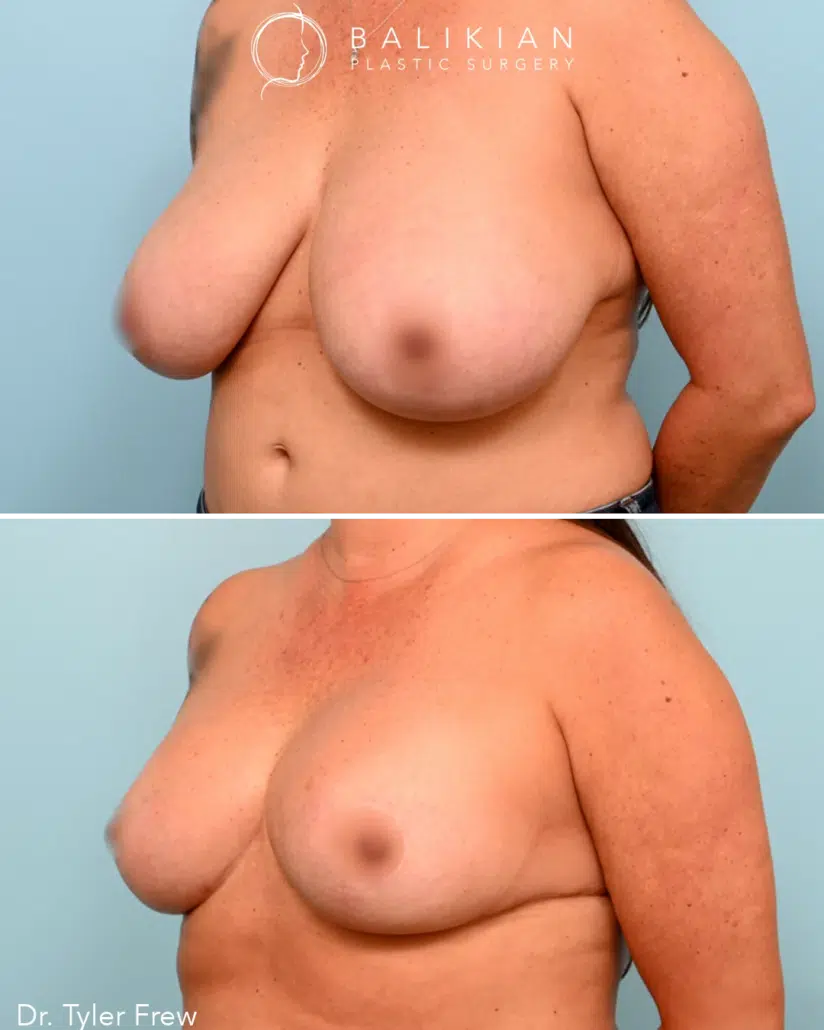
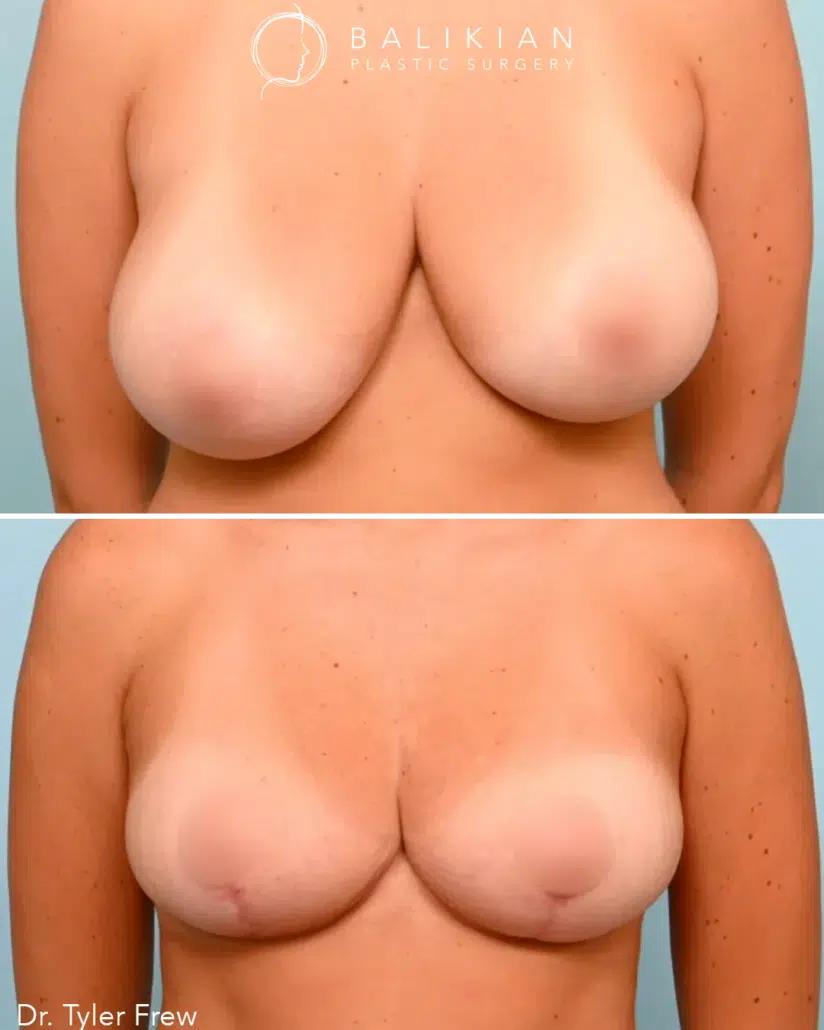
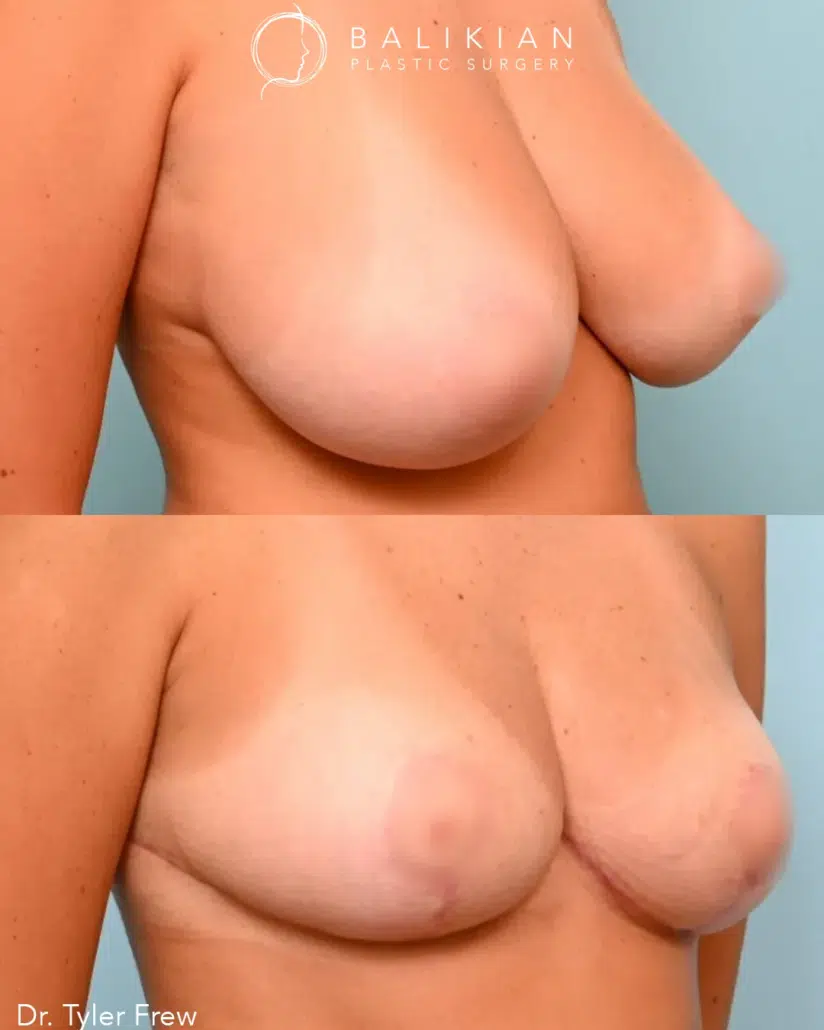
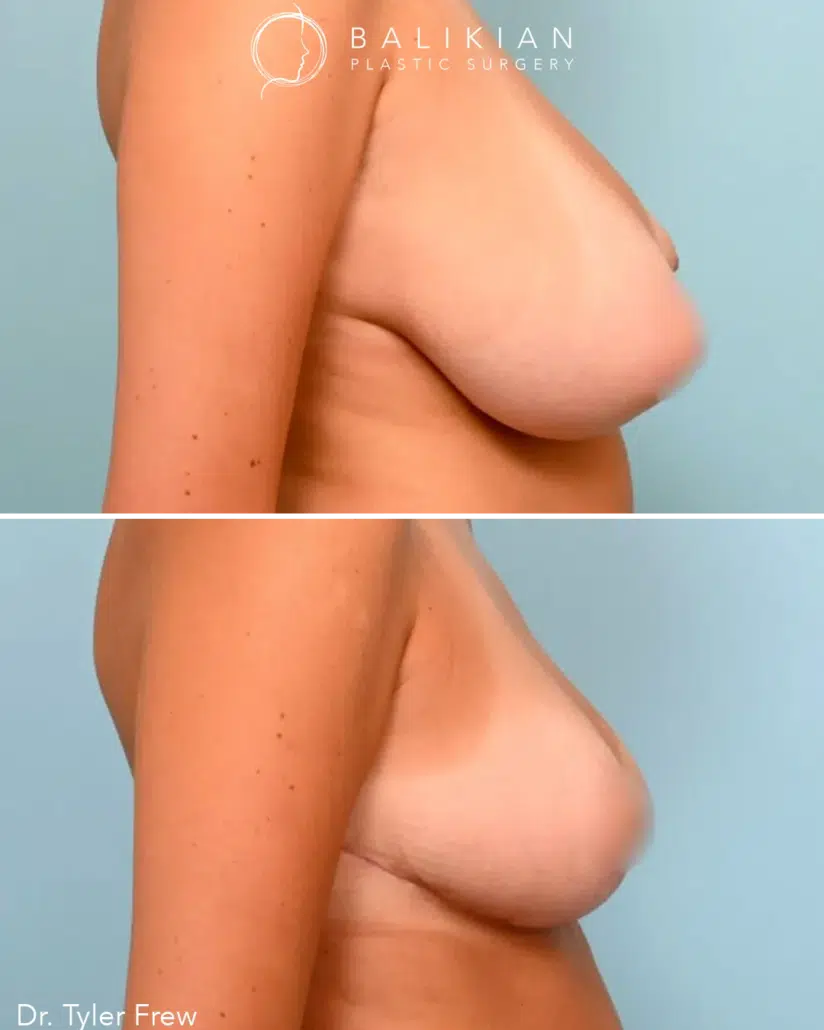
Reduction mammoplasty recovery follows a gradual, predictable progression. While every patient heals at a different pace, most experience steady improvement over the first several weeks, with continued refinement over the following months.
The timeline below outlines general recovery milestones after breast reduction surgery. Dr. Tyler Frew personalizes all recovery guidance based on surgical technique, tissue removal and individual healing factors.
Immediately after breast reduction surgery, patients are monitored as anesthesia wears off and are discharged with detailed aftercare instructions.
During this early phase, patients can expect:
Pain is typically well controlled with prescribed medication and gradually improves over the first few days. Gentle walking is encouraged to support circulation, but arm movement should remain limited.
The first week focuses on rest, protection, and gentle mobility.
Common experiences during week one include:
Patients are encouraged to:
Most patients are able to shower within the first few days based on surgeon instructions.
By weeks two and three, many patients feel significantly better and begin returning to light daily activities.
During this stage:
Patients with desk based or sedentary jobs are often cleared to return to work during this period, provided their duties do not involve physical exertion. Driving may also be resumed once pain medication is no longer needed and arm movement feels comfortable.
This phase represents a major turning point in reduction mammoplasty recovery.
Most patients experience:
Light exercise may be gradually reintroduced with approval, but high impact activities, heavy lifting, and chest focused workouts should still be avoided until cleared by Dr. Frew.
Supportive bras continue to play an important role in shaping and comfort during this stage.
Although patients feel largely recovered by six weeks, internal healing continues for several months.
Between three and six months after surgery:
Final breast size and contour become more apparent as tissues fully stabilize. Scar appearance improves over time with proper care and sun protection.
Thoughtful recovery planning plays an important role in achieving excellent breast reduction outcomes. Dr. Tyler Frew emphasizes personalized surgical technique, careful tissue handling and structured post operative care to support predictable healing and long term results.
At Balikian Plastic Surgery, recovery protocols may include advanced healing support such as photobiomodulation therapy.
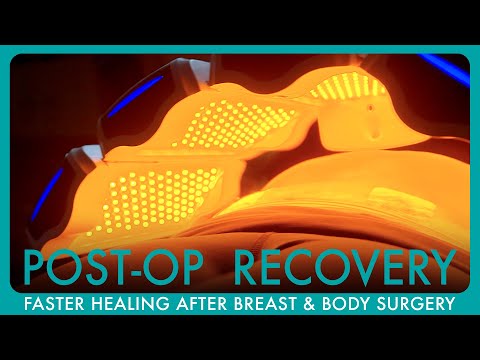
This therapy is designed to help reduce swelling, bruising, and discomfort while supporting tissue repair. These techniques enhance the recovery experience without placing additional stress on the body.
Pain during reduction mammoplasty recovery is typically manageable rather than severe. Most discomfort occurs during the first week and steadily improves as swelling decreases and healing progresses.
In addition to standard post operative care, supportive therapies such as photobiomodulation may be used to help control inflammation and improve overall comfort during early recovery.
Common recovery recommendations include:
Closely following post operative instructions plays a key role in pain control, healing quality and the overall recovery experience.
No two breast reduction recoveries are exactly alike. Factors such as the amount of tissue removed, skin quality, overall health and adherence to post operative care all influence healing timelines and comfort.
Dr. Frew works closely with each patient to ensure recovery is safe, supported and aligned with long term goals. Clear communication and regular follow up appointments are an essential part of guiding patients through each stage of reduction mammoplasty recovery.
How long is reduction mammoplasty recovery?
Most patients feel noticeably better within the first few weeks, with continued improvement over time. Research evaluating return to work after breast reduction suggests around three weeks is a reasonable recovery period for many patients, though timelines vary based on healing, job demands, and individual factors.
When can I return to work after breast reduction surgery?
Patients with desk based or sedentary jobs are often able to return to work in about two to three weeks, provided pain is controlled and physical strain is avoided. Studies examining sick leave after breast reduction report that longer time off may be needed for physically demanding jobs or in cases involving higher surgical complexity or complications.
When can I drive again after breast reduction?
Driving is generally considered safe once you are no longer taking narcotic pain medication, can comfortably wear a seatbelt, and can safely control the steering wheel without hesitation or pain. Surgeon guidance varies, but many patients resume driving within the first few weeks based on comfort and mobility.
When can I exercise after breast reduction surgery?
Strenuous exercise and upper body workouts should be avoided until cleared by your surgeon. Most patients gradually resume activity over several weeks, starting with walking and progressing to more demanding exercise once incisions have healed and swelling has improved.
How long does swelling last after breast reduction?
Swelling is most noticeable during the early recovery period and steadily improves over the first several weeks. Mild residual swelling and firmness can continue to resolve over the following months as the breasts soften and settle into their longer term shape.
What helps reduce pain, bruising, and swelling during recovery?
Standard recovery strategies include using pain medication as directed, wearing a supportive bra, staying well hydrated, eating nutrient rich foods, and walking gently to promote circulation. Avoiding nicotine is especially important, as smoking is associated with higher risks of wound healing complications and infection.
At Balikian Plastic Surgery, photobiomodulation therapy may also be used as part of recovery support. This light based therapy helps reduce inflammation and supports cellular healing, which may improve comfort during the early recovery phase.
How long do I need to wear a surgical or support bra?
A surgical or support bra helps control swelling, support healing tissues, and improve comfort. Patients are typically advised to wear it continuously for several weeks, though exact duration and guidelines vary based on surgical technique and individual healing progress.
What are the most common recovery risks or complications?
Most patients heal without issue, but possible risks include delayed wound healing, infection, seroma, hematoma, scarring concerns, and temporary or permanent changes in nipple sensation. Research identifies smoking, obesity, and larger tissue removal as factors associated with higher complication rates.
Does smoking or nicotine affect breast reduction healing?
Yes. Multiple studies show that smoking and nicotine exposure significantly increase the risk of wound complications after reduction mammoplasty. Nicotine reduces blood flow to healing tissues and interferes with normal wound repair.
Will I lose nipple sensation after breast reduction?
Temporary changes in nipple sensation are common during early healing as nerves recover. Sensation often improves over time, but some patients may experience long term changes depending on anatomy, surgical technique, and the extent of tissue repositioning.
Can I breastfeed after breast reduction surgery?
Breastfeeding may still be possible after reduction mammoplasty, but the ability to produce a full milk supply can be affected. Research reviews report an overall breastfeeding success rate of approximately sixty percent following breast reduction surgery, with outcomes varying based on surgical technique and individual anatomy.
Patients planning future pregnancies should discuss breastfeeding goals with their surgeon during consultation.
How can opioid use be minimized during recovery?
Modern recovery protocols increasingly emphasize multimodal pain management to reduce reliance on opioid medication. These approaches may include non opioid medications, targeted anesthetic techniques, supportive therapies, and careful activity progression, all tailored to individual needs.
Dr. Tyler Frew is a board-certified plastic and reconstructive surgeon specializing in aesthetic surgery of the breast and body.
He is known for delivering natural-looking results through advanced techniques in breast enhancement, tummy tuck, liposuction, and mommy makeover procedures.
Dr. Frew combines surgical expertise with compassionate, patient-focused care, helping each individual restore confidence and achieve their personal aesthetic goals.
Richard V. Balikian, MD, FACS
Double Board-Certified Facial Plastic Surgeon
Balikian Facial Plastic Surgery: Richard V. Balikian, MD, FACS
Tyler Frew, MD
Board-Certified Plastic Surgeon

 Treating Active Acne with Forever Clear BBL & Photobiomodulation