How a Mommy Makeover Is Customized for Your Body and Goals
A Mommy Makeover Is Customized to Your Anatomy, Body Proportions and Aesthetic Goals Using a Structured Surgical Plan.
A mommy makeover is often described as a combination of procedures, but that description only scratches the surface. The reality is that a mommy makeover is a customized surgical plan built around anatomy, proportions and individual goals.

There is no single formula that works for every patient. Bodies change differently after pregnancy, breastfeeding and weight fluctuations. A successful mommy makeover takes those changes into account and addresses them in a way that restores balance rather than applying a standard package.
A mommy makeover is not a single operation. It is a strategic combination of procedures selected to work together in a way that fits the patient’s body.
“No two mommy makeovers are the same because no two bodies are the same.”
– Dr. Frew
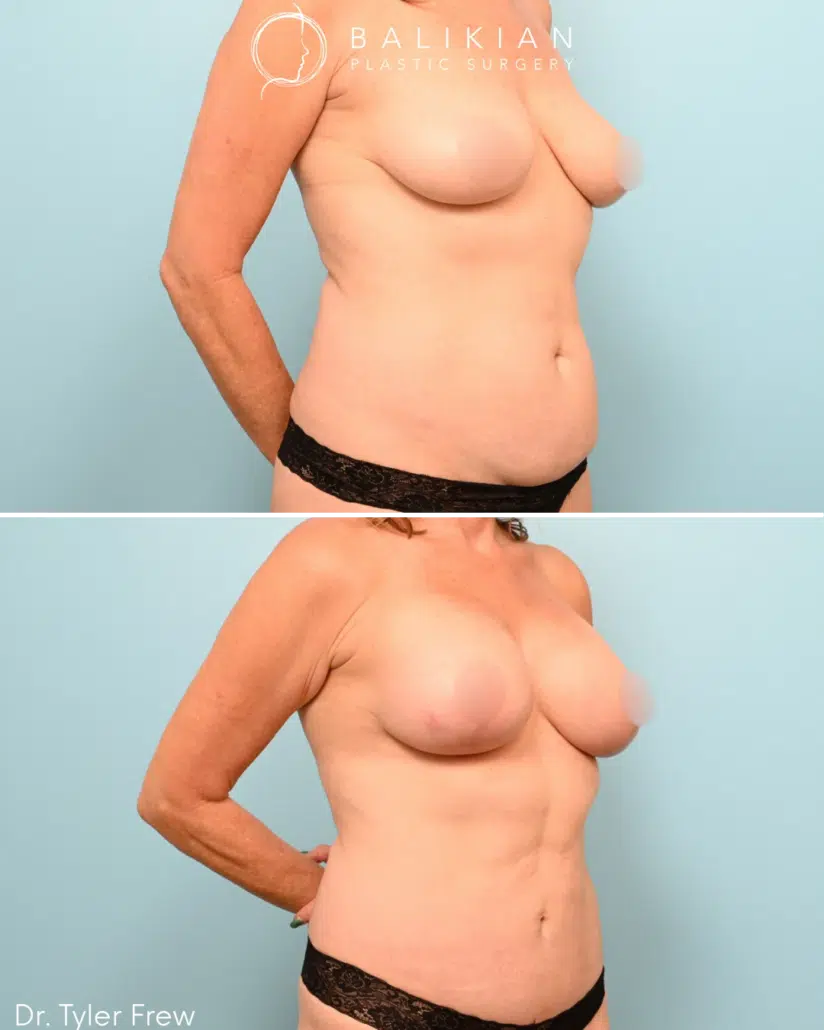
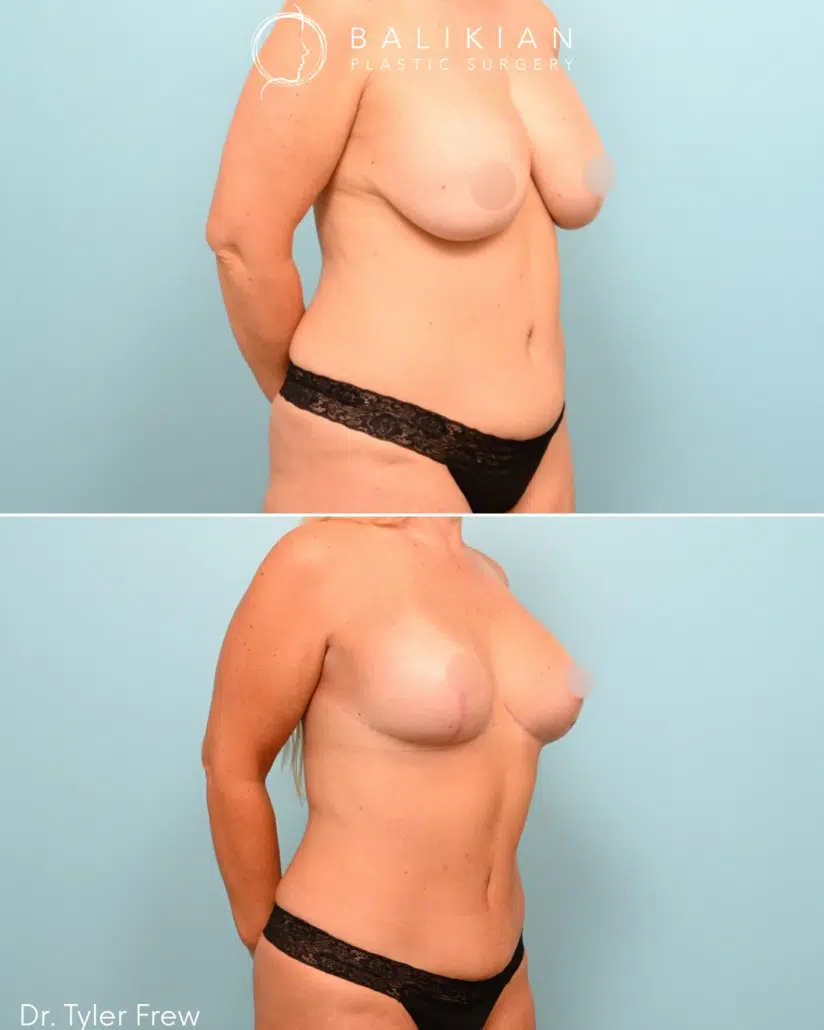
Some patients need breast volume restored. Others need lifting, reshaping or reduction. Some need abdominal muscle repair. Others need skin removal or contouring. The goal is not to perform the most procedures possible, but to select the procedures that will harmonize the body and create a natural, proportional result.
Pregnancy and breastfeeding affect the breasts in different ways, which is why breast surgery is often the starting point of a mommy makeover plan.
Post-pregnancy breast concerns typically fall into three categories:
Some patients benefit from a breast lift, augmentation, or reduction, while others need volume restored. Some are better served by a reduction to improve comfort and proportion. In certain cases, fat grafting can be used instead of implants, or combined with them, to improve symmetry and soften contours.
Cup size is not the goal. Balance and proportion are. The focus is on how the breasts relate to the rest of the body, not on hitting a specific number
When implants are part of a mommy makeover, customization goes far beyond choosing saline or silicone.

Silicone implants exist on a spectrum. Softer gels provide a more natural slope and lower-pole fullness. More cohesive implants provide stronger upper-pole fullness and a more augmented appearance. Implant width, projection and shape all influence how the breasts look once healed.
Equally important is implant placement. Whether an implant is placed above or below the muscle affects how natural it appears, how it settles, and how it behaves over time. Placement decisions are based on tissue thickness, skin quality, chest wall anatomy, and long-term goals.
The right implant and placement are chosen to match the patient’s anatomy and desired outcome, not trends or standard rules.
The abdominal portion of a mommy makeover is often referred to as a tummy tuck, but it is more accurately a structural repair.

During pregnancy, the abdominal muscles separate to make room for the baby. In many cases, those muscles do not return to their original position after childbirth. This separation weakens the core and creates a protruding abdomen.
A full tummy tuck repairs this separation permanently, restoring strength, posture and abdominal contour. Excess skin is removed, and the abdominal wall is reshaped to support the body properly.
Not every patient needs the same type of tummy tuck. Options range from mini tummy tucks to full or extended procedures, depending on where skin laxity and muscle separation are present. The approach is selected based on anatomy and goals, not by default.
Liposuction is an important part of many mommy makeovers, but its purpose is often misunderstood.

Rather than simply removing fat, liposuction is used to refine shape and enhance curves. In many cases, 360-degree liposuction of the torso helps define the waist, smooth the back and improve overall proportions.
Liposuction may also be used in areas such as the arms, thighs, lateral breast or underarm region to support a more balanced result. When planned thoughtfully, it enhances the outcome of both the breast and abdominal procedures.
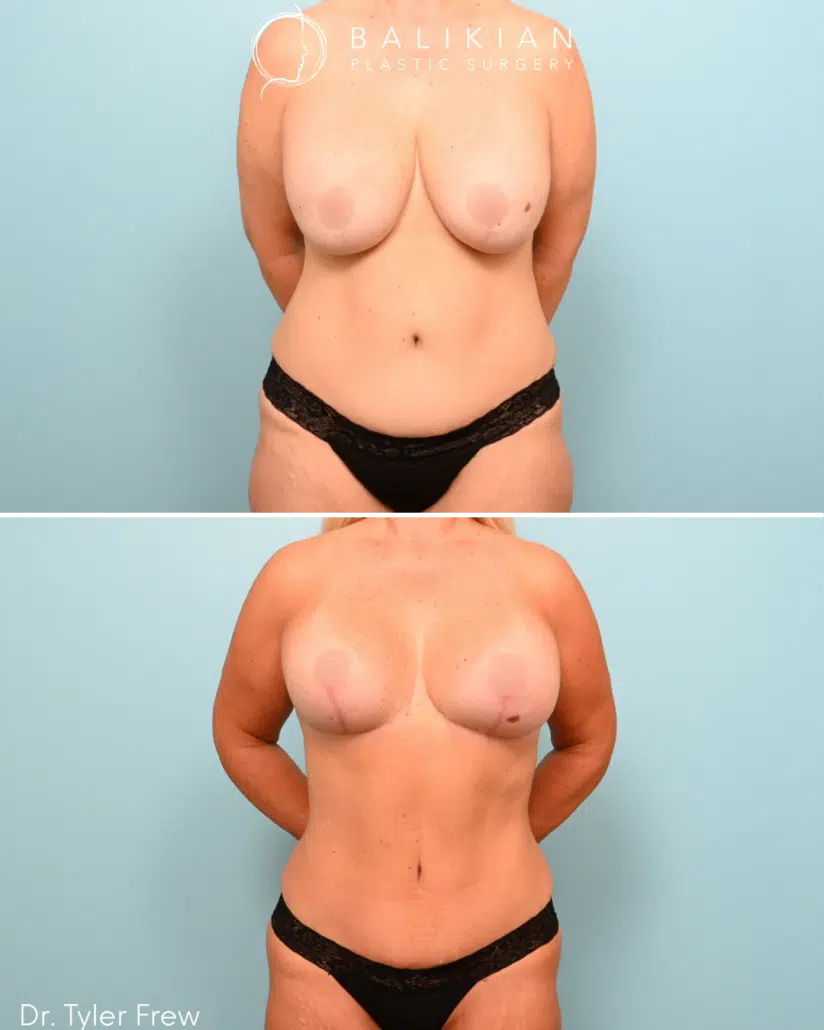
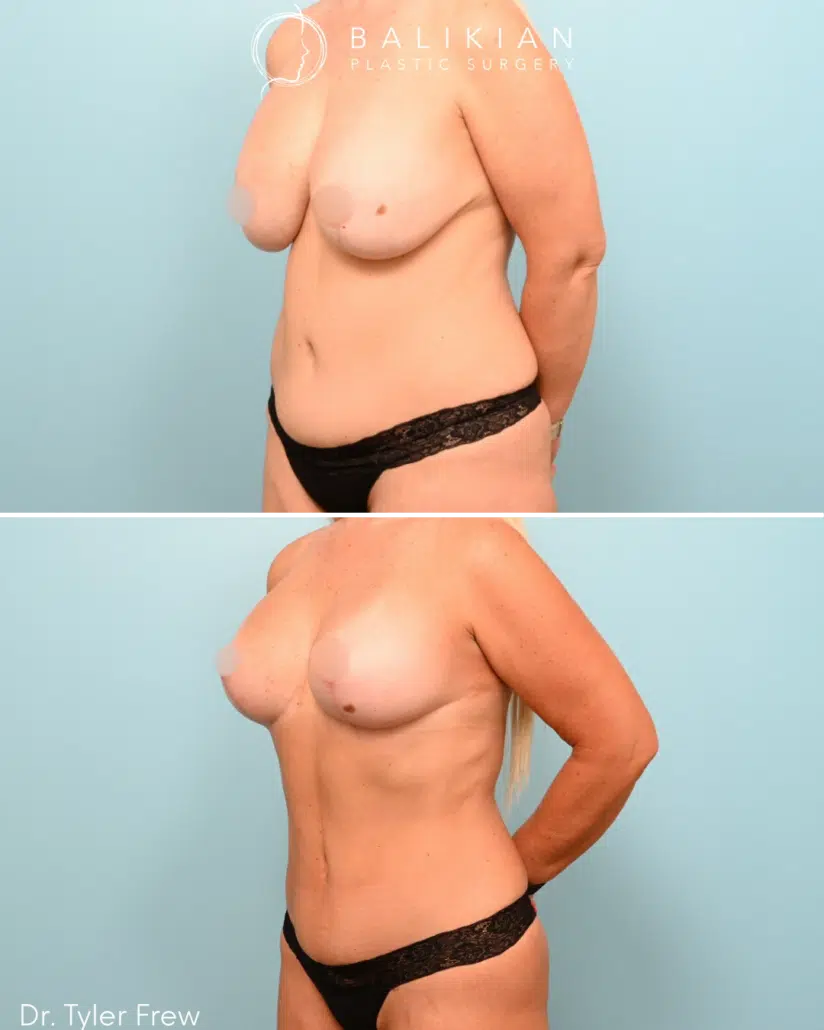
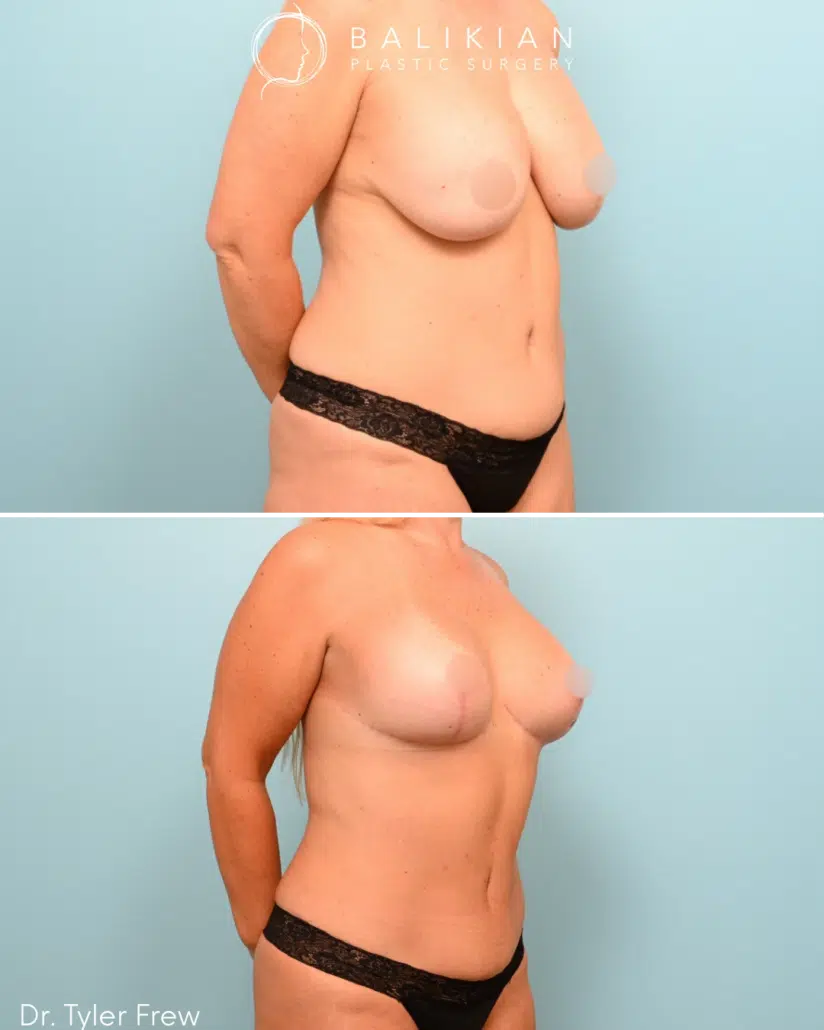

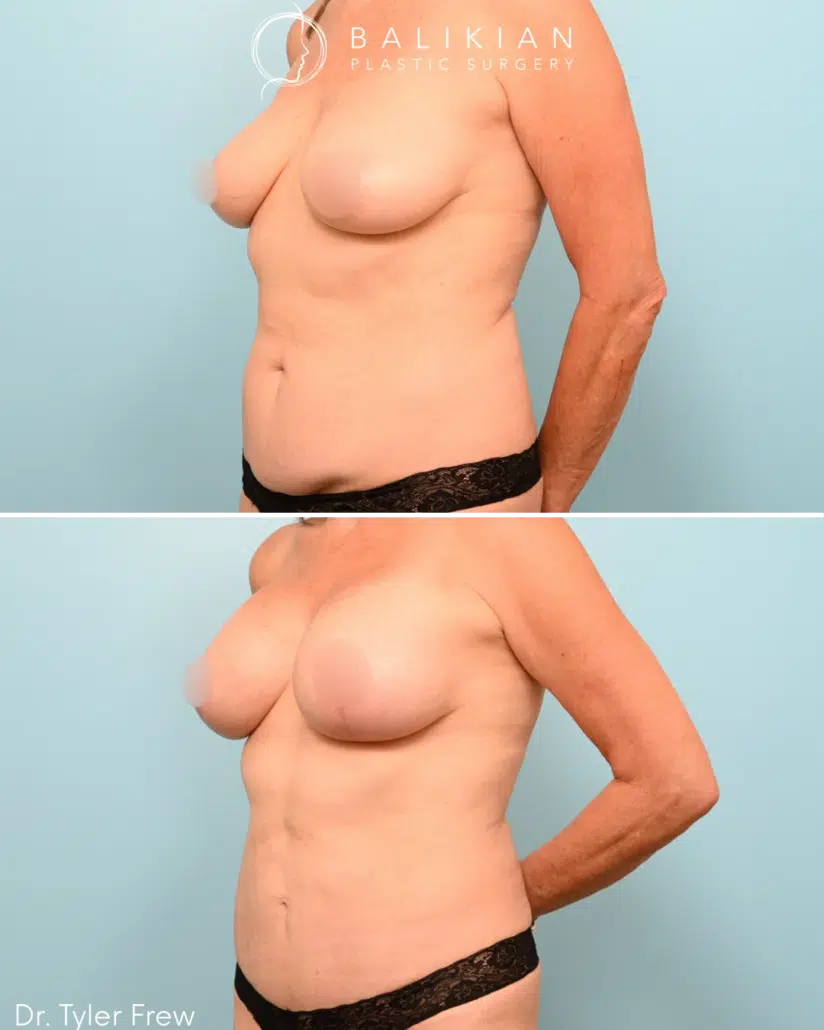

Customization does not stop when surgery is complete. Recovery planning is an essential part of the process.
The first two weeks after a mommy makeover are typically the most challenging, with swelling, tightness, and limited mobility. Early movement, proper compression, and guided scar care play a critical role in healing.
Lymphatic massage, compression garments, and advanced light-based therapy are used to reduce inflammation, support tissue recovery, and improve scar quality. These measures are integrated into the overall treatment plan to protect results and promote smoother healing.
Recovery after a mommy makeover is actively supported through the use of targeted light therapy, also known as photobiomodulation.
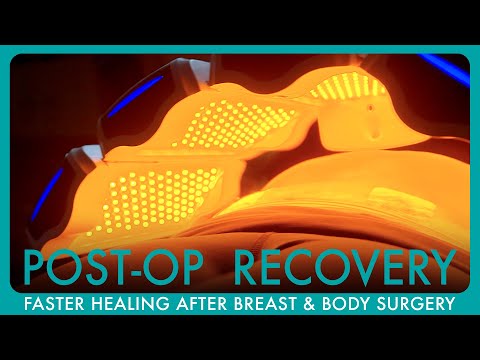
Specific wavelengths of light are applied before and after surgery, as well as during key phases of recovery, to help reduce inflammation and support the body’s natural healing processes. This light penetrates the skin and interacts with cells at a biological level, helping stimulate cellular repair rather than simply managing symptoms.
Light therapy is used to:
Because a mommy makeover often involves multiple treatment areas healing at once, light therapy plays an important role in helping recovery progress more smoothly and predictably.
When combined with compression garments, lymphatic massage, early movement and structured scar care, it helps create a more controlled and supported healing process rather than a passive recovery period.
A successful mommy makeover is not defined by how many procedures are performed, but by how well those procedures work together for the individual patient.
Every plan is built around anatomy, lifestyle and aesthetic goals. That level of customization requires careful evaluation, precise measurements and open discussion about expectations.
The purpose of a mommy makeover is not to change who someone is, but to restore balance, strength, and confidence in a way that feels natural and lasting.
Is a mommy makeover safe when multiple procedures are combined?
For properly selected patients, studies show that combining abdominoplasty with breast surgery can be performed safely without higher overall complication rates in some series. Risk depends on patient health, procedure selection, and operative time.
What factors increase complication risk?
Higher BMI, older age, longer operative times, and adding multiple body contouring procedures increase complication risk. This is why careful planning and patient selection are essential.
Is it better to combine procedures or stage them?
There is no single answer. Combining procedures means one anesthesia and recovery, while staging may reduce risk in higher-risk patients or when extensive contouring is planned. Outcomes depend on what procedures are combined.
Does combining a tummy tuck with breast reduction increase complications?
A recent retrospective study found no increase in overall or breast-related complications when abdominoplasty was combined with breast reduction, though revision rates were higher.
What complications are surgeons most focused on preventing?
Key risks include infection, hematoma, wound issues, and venous thromboembolism (blood clots). Prevention protocols are a major focus in combined body contouring surgery.
How is blood clot risk managed after a mommy makeover?
Blood clot prevention is individualized based on risk assessment. A recent study found low clot rates and acceptable safety using apixaban after abdominoplasty in selected patients.
Who is a good candidate for a mommy makeover?
Good candidates are medically healthy, at a stable weight, and finished having children. Planning is based on anatomy, tissue quality, and realistic goals rather than age alone.
How long should someone wait after pregnancy or breastfeeding?
Most surgeons recommend waiting until weight and breast tissue have stabilized after breastfeeding. Timing is individualized and confirmed during consultation.
Can pregnancy after a mommy makeover affect results?
Yes. Pregnancy can stretch repaired abdominal muscles and breast tissue again, potentially compromising results. Surgery is usually recommended after childbearing is complete.
What does recovery typically involve?
Recovery depends on which procedures are combined. Expect swelling, tightness, and activity restrictions early, with gradual return to normal movement over several weeks. Combined procedures require structured recovery planning.
What should patients expect with scarring?
Scar location depends on the procedures performed. Scars typically fade over time with proper care, but permanent scars are part of body contouring surgery.
Does light therapy help with healing?
Photobiomodulation has been shown in randomized clinical studies to reduce swelling and pain and support healing in aesthetic surgery settings. While not specific to mommy makeovers, the biological benefit supports its use as part of recovery protocols.
Dr. Tyler Frew is a board-certified plastic and reconstructive surgeon specializing in aesthetic surgery of the breast and body.
He is known for delivering natural-looking results through advanced techniques in breast enhancement, tummy tuck, liposuction, and mommy makeover procedures.
Dr. Frew combines surgical expertise with compassionate, patient-focused care, helping each individual restore confidence and achieve their personal aesthetic goals.
Richard V. Balikian, MD, FACS
Double Board-Certified Facial Plastic Surgeon
Balikian Facial Plastic Surgery: Richard V. Balikian, MD, FACS
Tyler Frew, MD
Board-Certified Plastic Surgeon

 Breast Lift vs Augmentation vs Reduction in a Mommy Makeover