Botox Around the Eyes | What You Need to Know
Botox for under eye wrinkles and crow’s feet. Patient-friendly guide to results, safety and treatment options.
Fine lines show up early around the eyes because the skin is thin and always moving.
Smiling. Squinting. Blinking.
This guide explains how Botox around the eyes can soften motion lines like crow’s feet and how a careful approach can improve the look of under-eye wrinkles while keeping your eyes natural.
Here’s what you need to know if you’re considering Botox under eyes, crow’s feet Botox, or Botox around eyes for a smoother, refreshed look.
These key points can help you decide if Botox for under eye wrinkles or crow’s feet is right for you before moving on to a full consultation.
The skin around your eyes is thin and constantly in motion, which makes it especially prone to early signs of aging.
Understanding what causes these changes helps you and your provider choose the right treatment to smooth, brighten, and refresh the eye area.
Botox is a purified neuromodulator that relaxes overactive muscles. When the muscle contracts less, the skin above it creases less.
With the right placement and dosing, Botox can smooth the delicate eye area while keeping your natural expression intact.
Botox around the eyes delivers noticeable yet natural improvements when it is tailored to your unique anatomy and goals.
With the right plan and regular maintenance, you can keep your eye area smooth and refreshed while preserving natural expression.
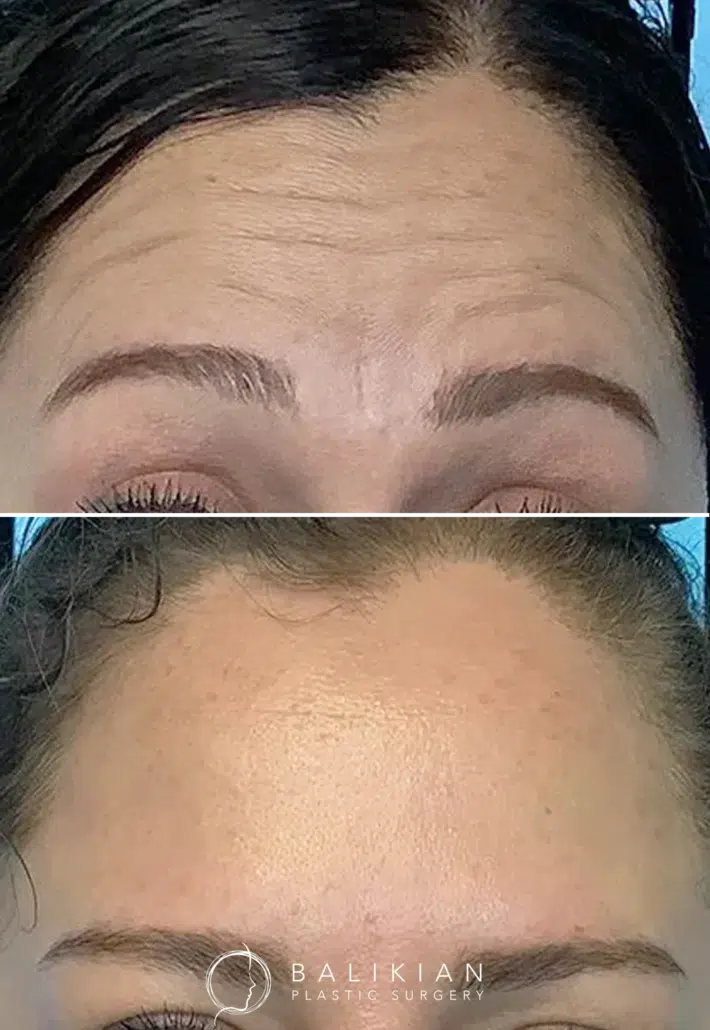
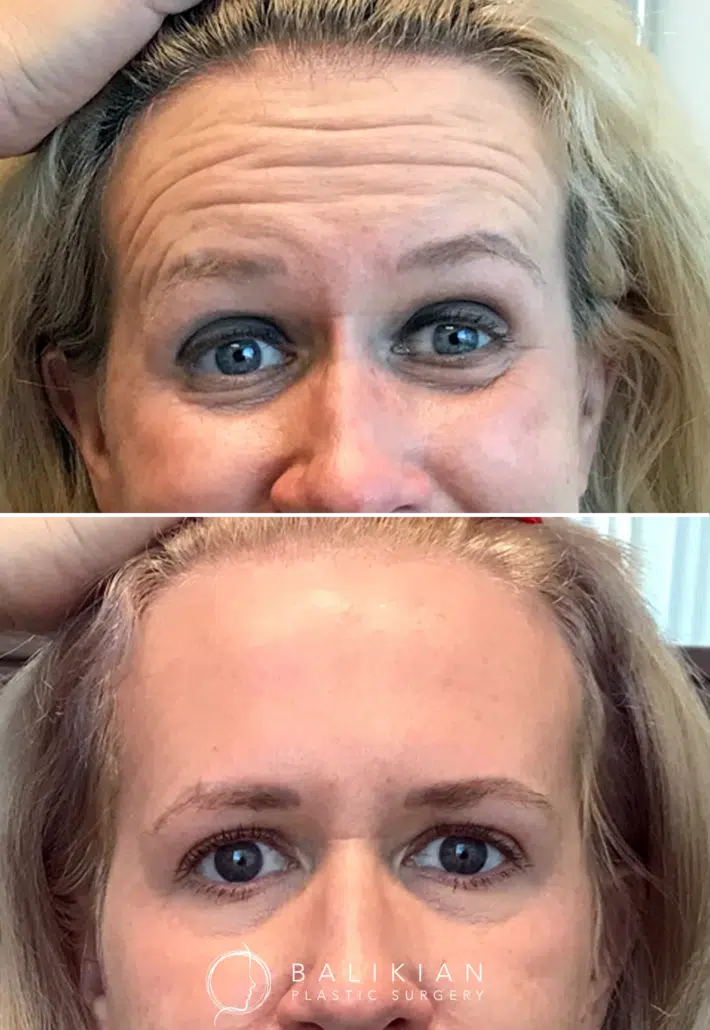
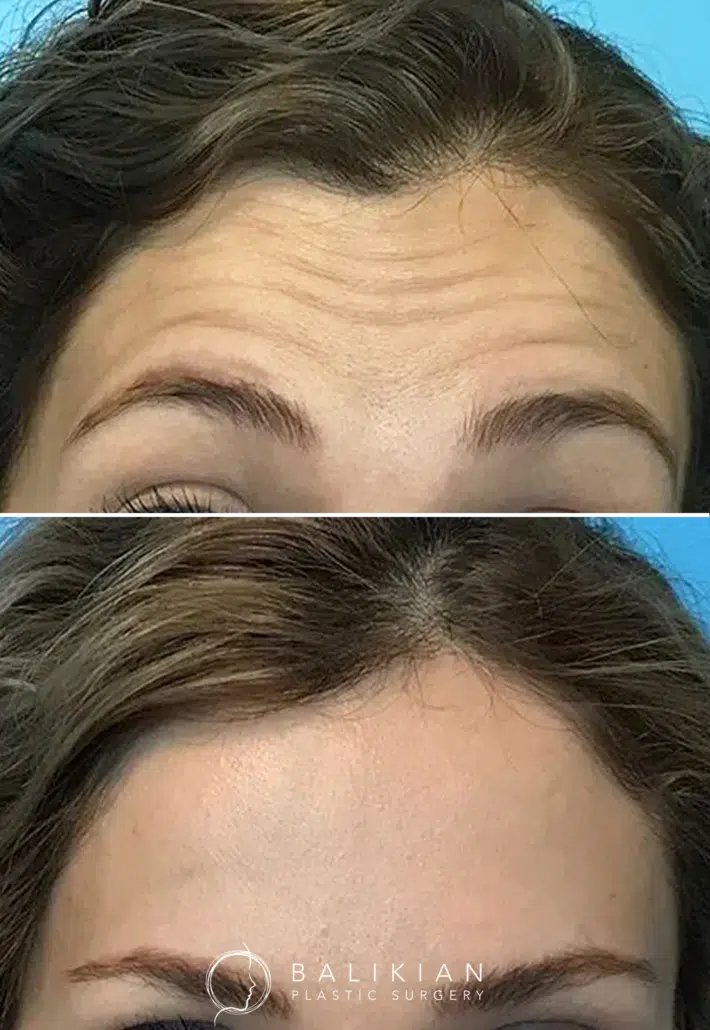

You may benefit from botox around eyes if you have:
If you have hollows, bags, or texture changes, your provider may suggest combining Botox with fillers, laser or light therapy, microneedling, or skincare.
Knowing what to expect during Botox treatment around the eyes can help you feel comfortable and prepared for each step.
Timeline: Subtle smoothing in 3 to 7 days. Best look at 10 to 14 days. Most people repeat treatment every 3 to 4 months.
Botox around the eyes is generally well tolerated in expert hands. Possible effects include brief redness or bruising.
Rarely, product can spread and cause temporary eyelid droop or a dry eye sensation. Under-eye dosing is conservative to avoid puffiness or a hollow look.
Botox is just one way to refresh the eye area, and it works best when compared with other treatments to find what fits your needs.
At Balikian Plastic Surgery, our team may recommend combining Botox with fillers, laser treatments, or advanced skincare to help you achieve smoother, brighter eyes and results that last.
Here is what recent clinical research shows about Botox around eyes, including crow’s feet Botox and Botox under eyes.
Bottom line. For botox around eyes, the strongest evidence is for crows feet botox. Botox under eyes can soften fine lines in carefully selected patients using very small doses. A personalized plan protects eyelid function and keeps expressions natural.
What is crow’s feet Botox and how does it work?
Crow’s feet Botox targets the outer eye muscles that create fine lines when you smile or squint. Tiny injections relax these muscles so the skin moves less and looks smoother without changing your natural expression.
Is Botox under eyes the same as crow’s feet Botox?
Not exactly. Botox under eyes is placed in the lower eyelid area using very small doses to soften fine creases beneath the lashes. Crow’s feet Botox treats the outer corners of the eyes. The under-eye area is more delicate and needs careful, customized dosing.
Can Botox for under eye wrinkles fix dark circles or eye bags?
No. Botox for under eye wrinkles only smooths lines caused by muscle movement. Dark circles and bags come from pigment, skin thinning, or fat changes and usually need fillers, laser, or other treatments.
How long does Botox around the eyes last?
Results from botox around eyes usually appear within 3 to 7 days, peak at about 2 weeks, and last around 3 to 4 months. Many people schedule regular touch-ups to maintain smoother skin year-round.
Will Botox around the eyes make me look frozen?
No. When placed correctly, crow’s feet Botox and Botox under eyes simply soften lines while preserving natural movement. You will still be able to smile and show emotion.
Is Botox under the eyes safe?
Yes, when done by an experienced injector who understands eyelid anatomy. The under-eye area is sensitive, so your provider will use low doses and check eyelid tone and dryness risk to keep results safe and natural.
Can I combine crow’s feet Botox with fillers or laser?
Yes. Crow’s feet Botox works well with fillers to add volume under the eyes and with lasers to improve texture and tone. Combining treatments often gives the most complete rejuvenation.
Who is a good candidate for Botox around the eyes?
People with fine lines from smiling, squinting, or blinking usually respond best. Good eyelid support and healthy eye surfaces make treatment safer. Botox will not correct hollows, loose skin, or severe under-eye bags, but it can be part of a plan with other options.

Richard V. Balikian, MD, FACS
Double Board-Certified Facial Plastic Surgeon
Balikian Facial Plastic Surgery: Richard V. Balikian, MD, FACS
Tyler Frew, MD
Board-Certified Plastic Surgeon

 Masseter Botox | A Patient Guide to Jaw Botox