How to Get the Best Liposuction Results
Understanding What Liposuction Is Designed To Do
Liposuction is one of the most effective procedures for improving body contour, but it is often misunderstood. Many patients assume it is a solution for weight loss or loose skin, when in reality, it is designed to target localized fat and refine overall shape.
What makes liposuction powerful is not just the removal of fat. It is how that fat is removed. Strategic contouring allows for changes in proportion, definition and the way your body naturally flows from one area to another.
The goal of liposuction is to remove fat in a way that enhances your natural proportions. It is not about changing who you are. It is about improving balance and creating a more defined version of your existing shape.


In many cases, liposuction is used to highlight the structure that is already there. By thinning certain areas, it allows natural curves to become more visible and better defined. This is why placement and technique matter just as much as the amount of fat removed.
It is also important to understand that liposuction works best when it is tailored to your body. Factors like skin quality, fat distribution and overall anatomy all influence the final result. Two patients may have similar concerns, but the approach to achieving the best outcome can be very different.
Ultimately, liposuction is not about doing more. It is about doing what is right for your body to create a result that looks natural, balanced and in proportion.
One of the most important things to understand is that liposuction is not a one-size-fits-all procedure.
No two bodies are the same, and no two liposuction results will be the same. The outcome depends on several key factors, including your skin quality, fat distribution and how your body heals after surgery.
Patients with good skin elasticity tend to see more defined results because the skin is able to contract smoothly after fat is removed. Patients with looser skin may still benefit from liposuction, but may not see the same level of tightening or definition.
This is why proper evaluation and planning are critical before moving forward.
Liposuction is a powerful contouring tool, but it does have limitations. It does not tighten loose or excess skin. It does not repair stretched muscles. And it does not significantly change the underlying structure of your body.
For patients with skin laxity or muscle separation, additional procedures such as a tummy tuck may be needed to achieve the best overall result.
Understanding these limitations helps set realistic expectations and leads to better long-term satisfaction.
Skin quality plays a major role in how your results will look after liposuction. When fat is removed, the skin has to contract down to match the new contour. If the skin is thick and elastic, it tends to retract more effectively, creating a smoother and more defined result.
If the skin is thinner or has lost elasticity, the result may appear softer. This does not mean the procedure was unsuccessful, but it does influence the final appearance.
These are the details that are evaluated during a consultation to determine the right approach for your body.
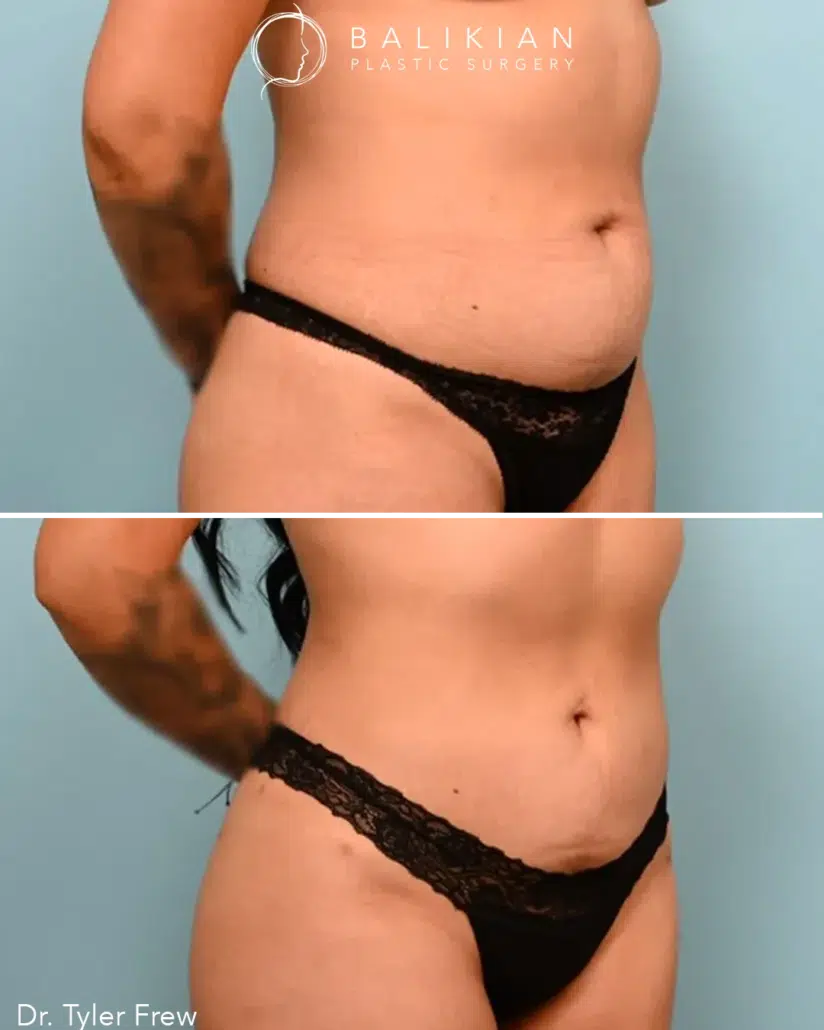

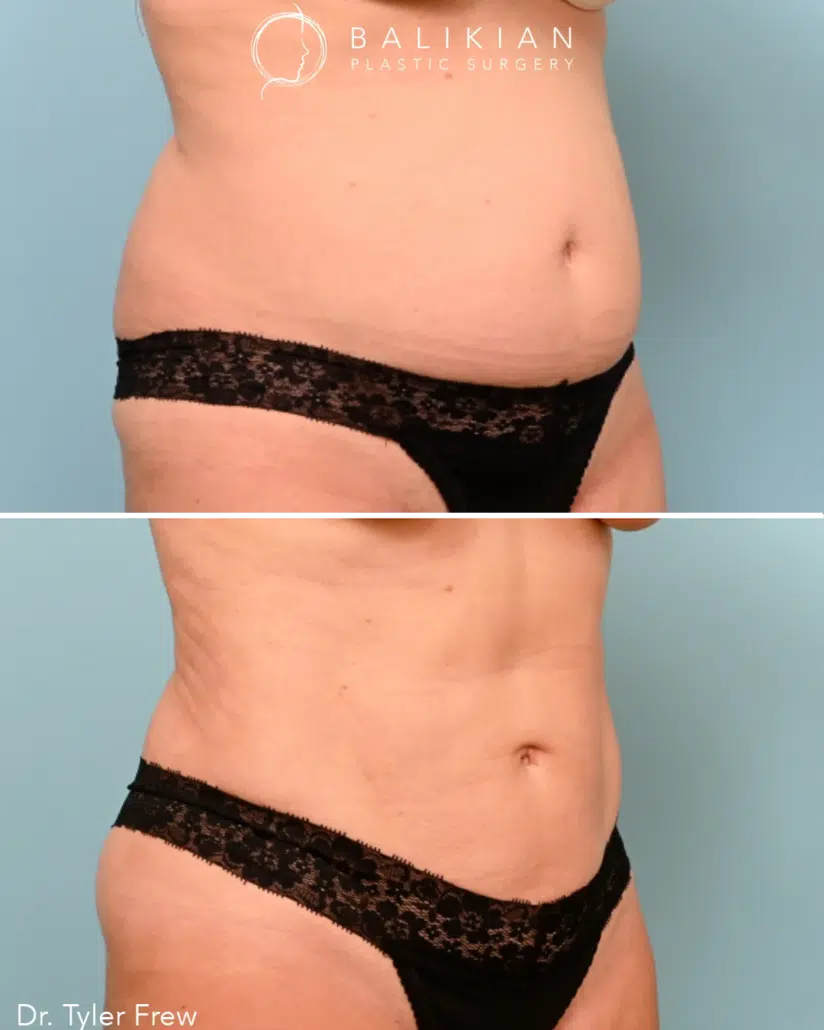
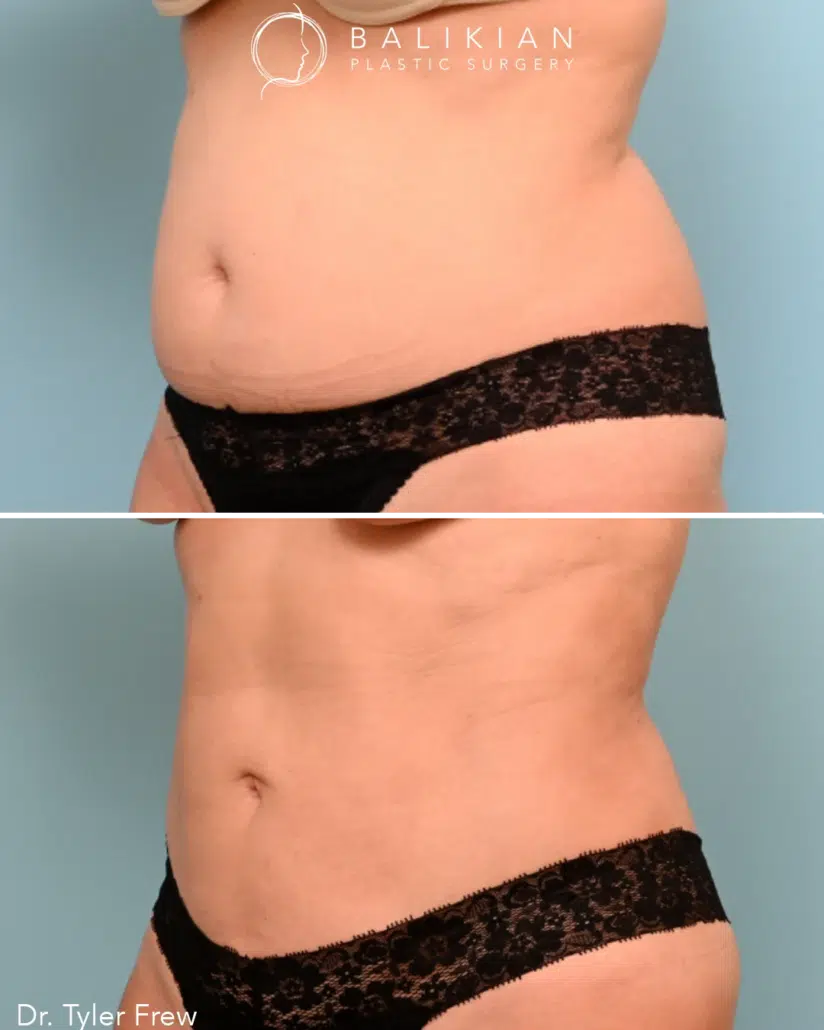
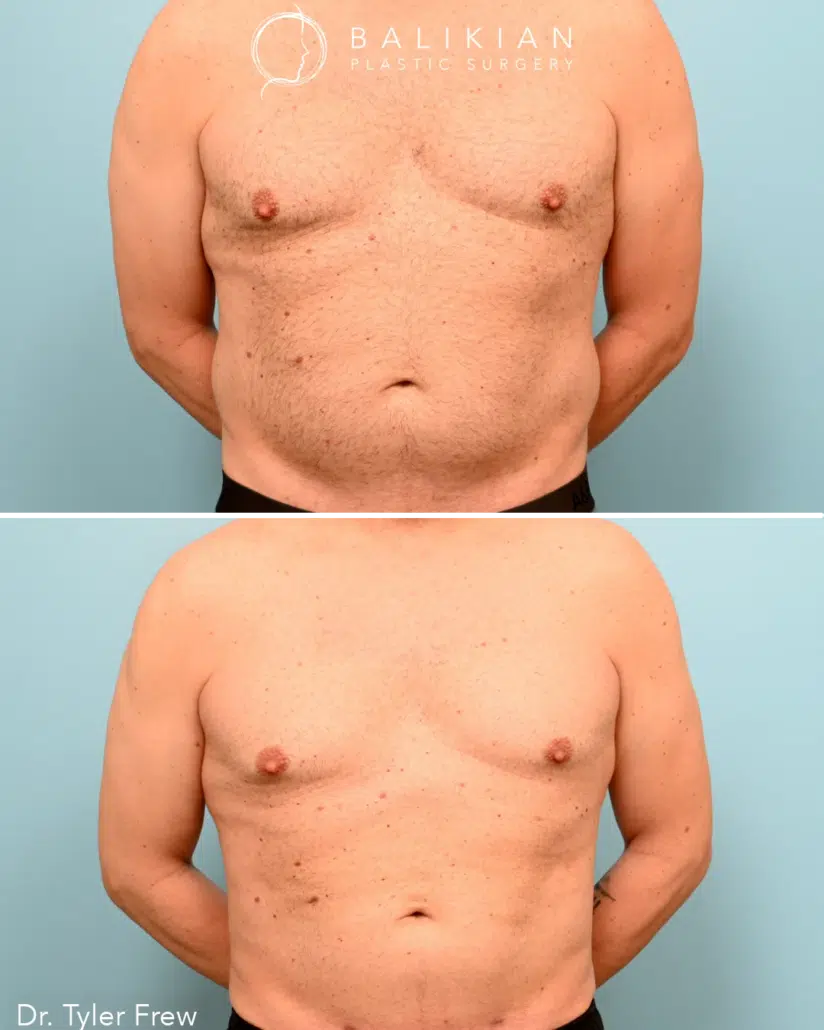
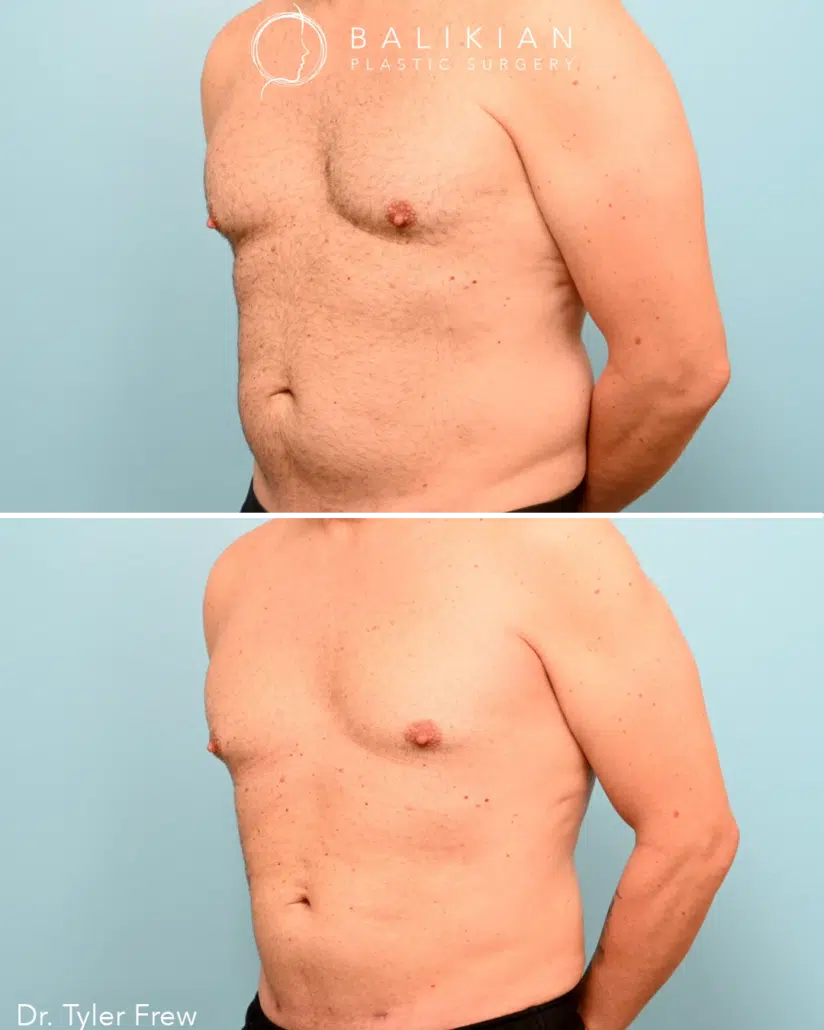
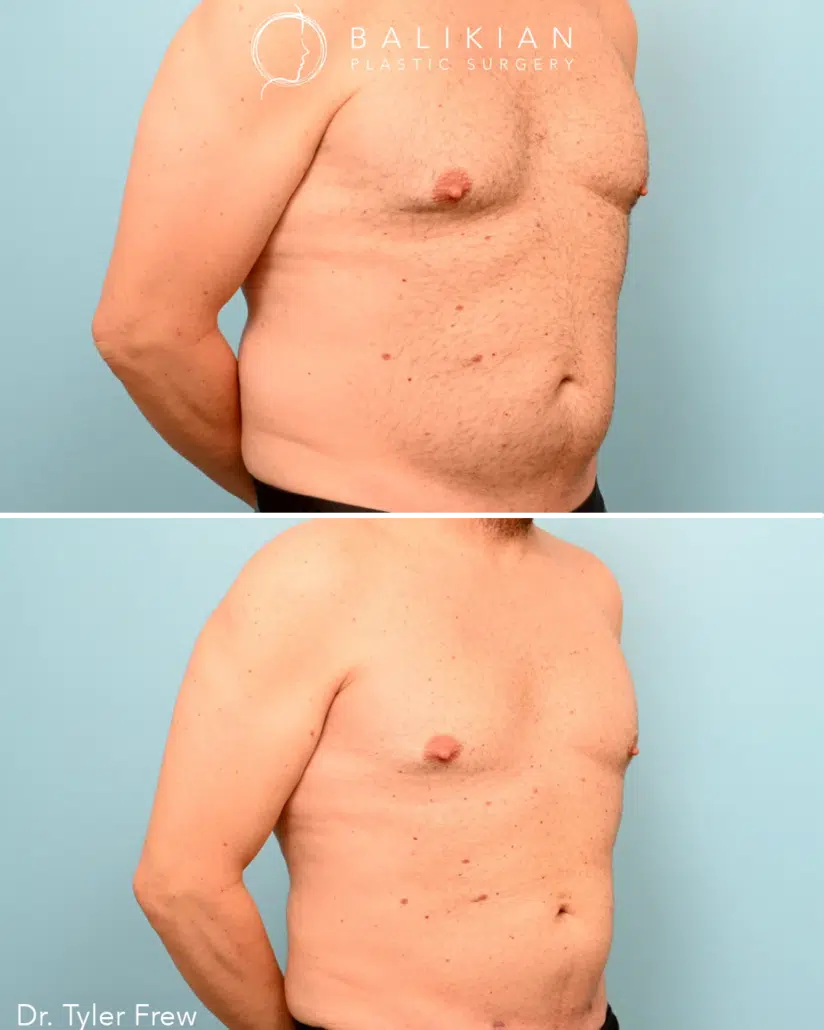
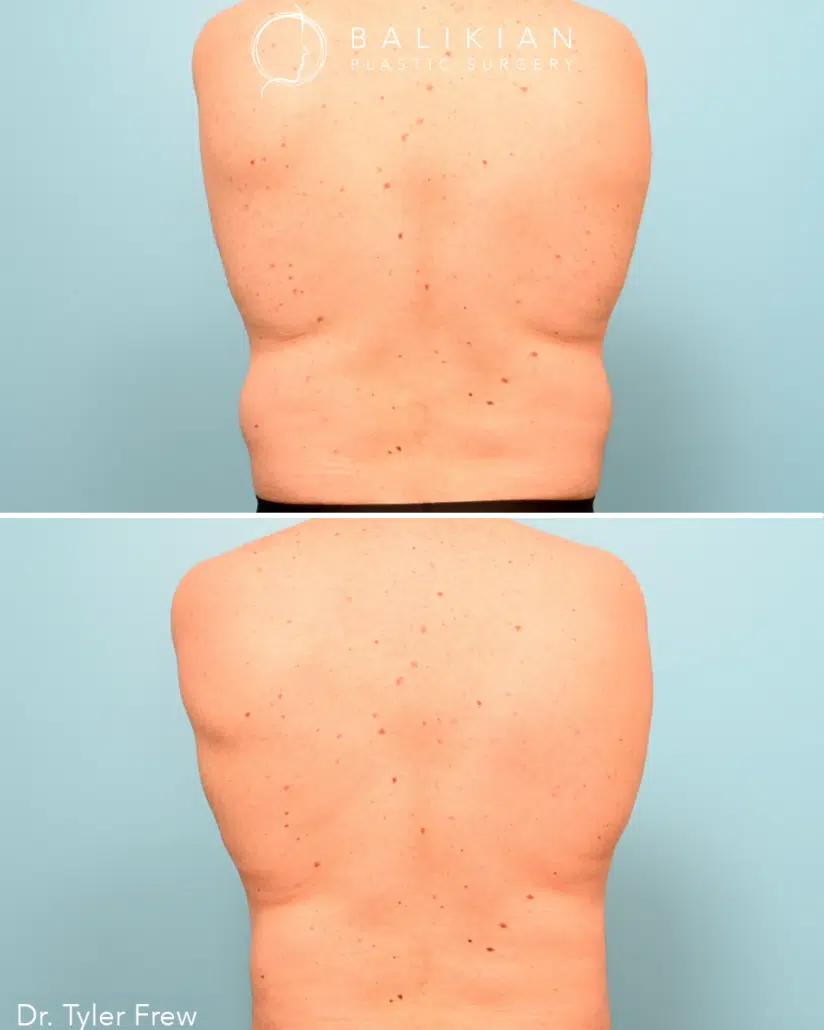
In many cases, liposuction is not performed in isolation.
It is often used as part of a more comprehensive approach to body contouring. For example, in a mommy makeover, liposuction is used to contour the waist, back and flanks to enhance the results of a tummy tuck or breast procedure.
By removing fat in strategic areas, liposuction helps create better definition and proportion across the entire body, not just one area.
Recovery is a critical part of the liposuction process and has a direct impact on your outcome.
Swelling and fluid buildup are normal after surgery. Compression garments are used to help reduce swelling and guide the skin as it adjusts to its new shape. Lymphatic massage can also help the body clear fluid and improve overall contour.
Proper post-operative care allows the tissues to heal smoothly and helps prevent irregularities. Results continue to improve over time as swelling resolves and the body settles into its final shape.
The most consistent theme in liposuction is customization. Every patient has a different starting point, different goals and different anatomical considerations. The best results come from creating a plan that is tailored specifically to you.
This includes deciding where to remove fat, how aggressively to contour and whether additional procedures are needed to achieve balance.
The focus is not just on removing fat. It is on creating a result that looks natural, proportionate and aligned with your goals.
If you are considering liposuction, the most important step is a consultation. This is where your anatomy, skin quality and goals are evaluated in detail. From there, a personalized plan can be developed to help you achieve the best possible result.
Liposuction is not about doing more. It is about doing what is right for your body.
Is liposuction a weight loss procedure?
No. Liposuction is best understood as body contouring for localized fat deposits, not a substitute for weight loss.
Who is a good candidate for liposuction?
A good candidate is typically at a stable weight, has localized fat deposits, exercises regularly, and has realistic expectations.
Does skin quality affect liposuction results?
Yes. Skin elasticity is an important part of preoperative evaluation because it affects how well the skin adapts after fat removal.
Can liposuction tighten loose skin?
Not reliably. Research on body contouring notes that excess fat, skin laxity, and contour irregularities are separate issues that may require different treatments.
Why is liposuction sometimes combined with a tummy tuck?
Liposuction is commonly combined with abdominoplasty to create more complete body contouring, but safety and patient risk factors must be considered.
Why are compression garments used after liposuction?
Compression therapy is widely used after plastic surgery to support recovery, although evidence varies by procedure and outcome.
Does lymphatic massage help after liposuction?
Manual lymphatic drainage with therapeutic ultrasound has been studied after liposuction and lipoabdominoplasty and was associated with reduced swelling, fibrosis, and pain.
What complications can happen after liposuction?
Contour deformity is reported as the most common complication in a 2024 systematic review, which is why careful planning and technique matter.
Why is a consultation important before liposuction?
Consultation helps assess candidacy, skin quality, localized fat, expectations, and whether liposuction alone is appropriate.
Dr. Shain Cuber is a breast & body plastic surgeon specializing in aesthetic surgery of the breast and body.
With more than 20 years of surgical experience, he is known for creating natural-looking results through breast enhancement, tummy tuck, liposuction, Mommy Makeover and body-contouring procedures.
Dr. Cuber combines meticulous surgical technique with attentive, patient-focused care, helping each individual feel confident and comfortable throughout their surgical journey.

 Why Breast Implant Placement and Incision Matter