Breast Lift Recovery Time | What to Expect After Mastopexy
A Complete Resource on Breast Augmentation Recovery Time, Week by Week Healing and What to Expect as Your Breasts Soften, Settle and Take On Their Final Shape.
A breast lift, also called mastopexy, restores a lifted and more youthful contour by tightening skin and reshaping the breast tissues. Many patients want to know how long mastopexy recovery time will take and what healing feels like from the first week through full results. Understanding the process helps you prepare, plan your downtime and support the best outcome.
This guide explains the complete recovery after mastopexy based on surgical standards, recent research and the typical healing timeline seen in plastic surgery practices.
Your healing speed depends on several factors.
Understanding these factors gives you a clearer sense of what to expect and how to support the best possible healing.
Supporting your recovery with the right habits can make healing more comfortable and help your results settle smoothly.
These small but important habits can make a meaningful difference in how comfortably and predictably you heal.
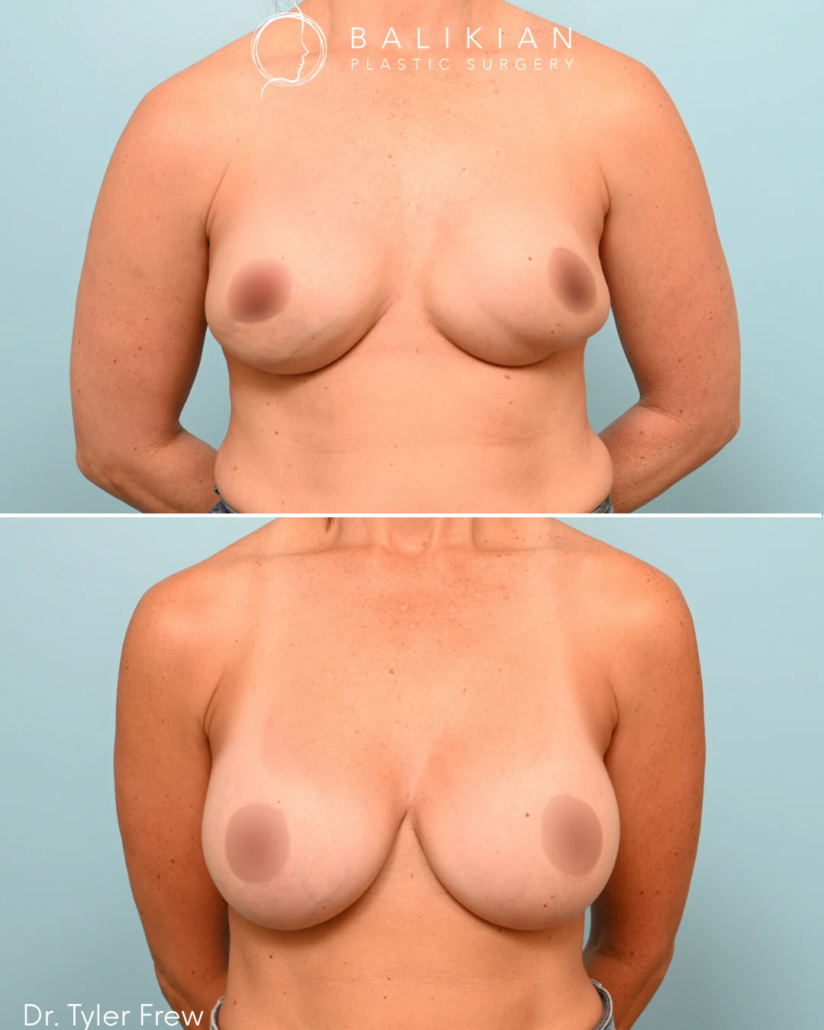
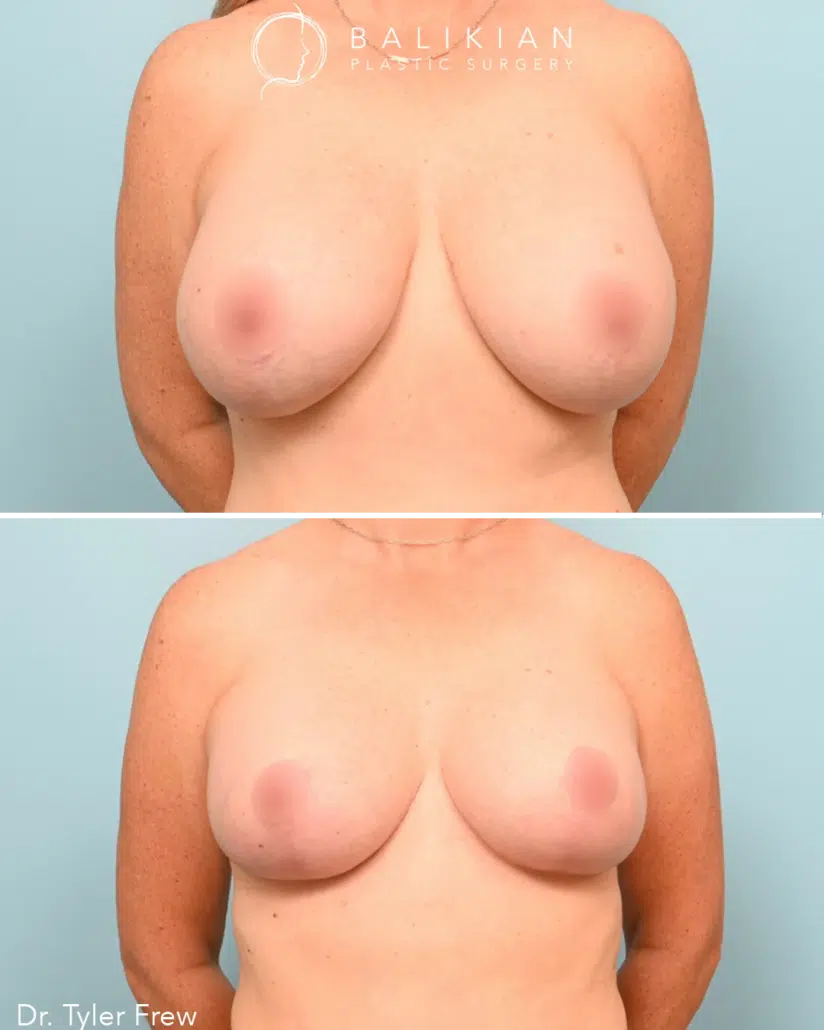
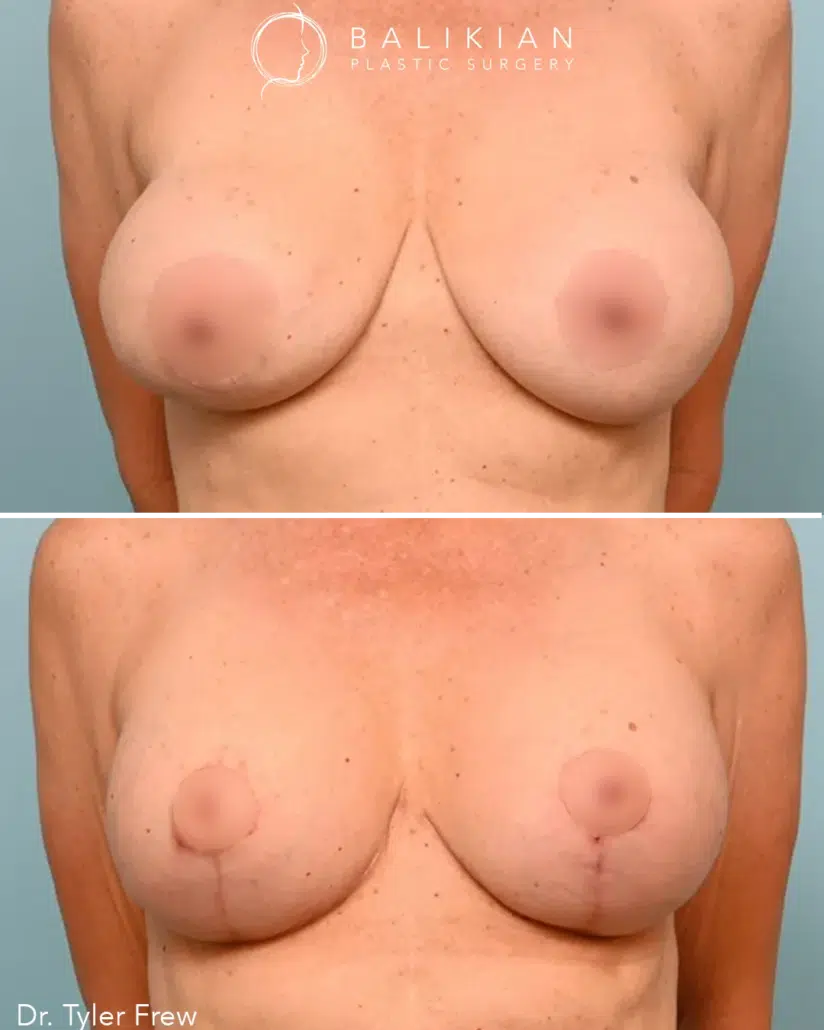

Knowing the typical recovery stages helps you understand what to expect as your breasts heal and settle into their final shape. While early improvements appear within weeks, full mastopexy recovery is a gradual 12 month process.
Breast lift surgery is almost always performed on an outpatient basis, so most patients return home the same day.
A surgical bra or compression garment is placed immediately after the procedure to support the breasts and help control early swelling. During the first 24 to 48 hours, it is normal to feel tightness, pressure and moderate soreness as the anesthesia wears off.
Short, gentle walks around the house are encouraged to promote circulation and reduce stiffness, while longer periods of rest help your body begin healing.
Swelling and bruising usually peak in the first few days and then start to improve. The breasts may feel firm or heavy as fluid shifts and tissues begin settling.
Patients should avoid lifting anything heavy, reaching overhead or making sudden upper body movements. Gentle walking a few times a day continues to be helpful for circulation.
Most patients find that discomfort becomes more manageable by the end of the first week as swelling starts to decrease.
By the second week, many patients feel significantly more comfortable and can resume light daily activities. Swelling continues to decline, and incisions may appear pink or slightly raised, which is a normal part of early scar healing.
Many patients are able to return to office work or non-strenuous jobs during this period. Exercise and any activity that engages the chest muscles should still be avoided unless cleared during a follow up visit.
Bruising has usually resolved by this point and the breasts begin to settle into a softer, more natural shape. Swelling continues to decrease and movement feels more comfortable.
Many patients are cleared to begin light exercise that does not involve the chest or upper body.
Surgeons often allow the switch from a surgical bra to a soft, supportive bra sometime between weeks four and six, although this varies from patient to patient.
Healing shifts into a deeper tissue phase during this period. Internal swelling continues to resolve and the final contour of the breasts becomes more visible.
Scars gradually soften, lighten in color and flatten as collagen remodeling takes place.
The breasts start to feel more natural and less firm. Small changes in shape and position can still occur as tissues continue to settle.
Most patients see their long term breast shape by the six month mark. Scar maturation continues over the next several months and may take up to a full year or longer depending on individual skin type.
Results generally feel stable and well defined, and the breasts have typically settled into their final position.
With proper care, including sun protection and supportive garments as advised, patients can expect long lasting, natural looking outcomes.
Knowing what to expect in terms of discomfort, sensation changes and potential risks can make the healing process feel more predictable.
Most patients move through these stages without complications and feel increasingly comfortable as healing progresses.
Modern mastopexy recovery can be enhanced with light based therapy, which uses specific wavelengths of light to support the body’s natural healing response. This treatment is gentle, noninvasive and often recommended during the early postoperative period.
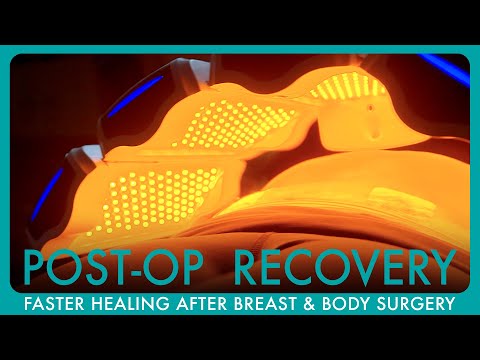
Light based therapy can help:
Many patients appreciate that it is quick, painless and pairs well with other postoperative care instructions. When used consistently under your surgeon’s guidance, light based therapy becomes a simple way to promote smoother, more comfortable recovery.
Your final outcome develops in stages, and each part of the timeline plays an important role in how your breasts ultimately look and feel.
A long term publication on mastopexy supports this timeline and shows high satisfaction when proper postoperative protocols are followed.
A breast lift may be appropriate if you:
If you are considering a breast lift, schedule a consultation with a board-certified plastic surgeon. A skilled surgeon will assess your anatomy, skin quality, breast volume, overall health, and aesthetic goals, then tailor a plan that balances safety and results.
How long does breast lift recovery usually take?
Most of the early tightness and soreness improves in the first one to two weeks. By four to six weeks you can expect to return to most normal activities. The breasts continue to settle and refine over three to six months, with scars softening for up to a year.
What does the first week after a breast lift feel like?
The first several days bring the most fullness, swelling and pressure across the chest. A surgical or support bra helps control swelling and keep you comfortable. Gentle walking is encouraged, but lifting and overhead movement should wait until you are cleared.
When can I go back to work, driving and exercise?
Many patients return to office work within one to two weeks once they are off prescription pain medication. You can usually drive when you can move comfortably and react without discomfort. Light exercise begins around week four, with more intense chest or upper body workouts delayed until about six weeks.
How long do swelling and bruising last?
Bruising improves within two to three weeks. Swelling fades more gradually and can fluctuate throughout the first month. The breasts usually settle into a more natural position between three and six months.
How painful is breast lift recovery?
Most patients describe recovery as tightness and pressure rather than sharp pain. Prescription pain medication helps for the first few days, then most people transition to over the counter options. Discomfort steadily improves as swelling decreases.
When will I see my final breast lift results?
You will see an immediate lift, but early swelling can change the shape temporarily. By six to eight weeks the breasts look more refined, and between three and six months they become softer and more natural. Final results continue to improve for up to a year.
How long do breast lift results last?
A well planned mastopexy can maintain an improved shape for many years. Your long term result depends on factors like weight stability, good bra support and healthy lifestyle habits. While aging continues, the lift provides a long lasting improvement in breast position.
What complications should I be aware of?
Most patients heal smoothly. Possible risks include bruising, delayed healing, fluid buildup, minor scar issues and temporary changes in nipple sensation. More serious problems like infection or hematoma are less common and monitored at follow up appointments.
Can a breast lift change nipple sensation or affect breastfeeding?
It is normal to experience temporary changes in nipple or skin sensation in the first weeks. Most sensation returns as swelling resolves. A small number of patients may experience longer lasting changes, especially after more extensive lifts.
How can I support the best possible recovery?
Wear your surgical or support bra as directed. Sleep on your back with your chest elevated. Walk daily. Avoid lifting, stretching and workouts until your surgeon clears you. Stay hydrated, eat nutrient rich foods and attend all scheduled follow up visits.
Does light based therapy help with recovery?
Photobiomodulation, often offered as LED light therapy, can support healing by improving circulation and reducing early swelling. Many patients feel they recover more comfortably when this treatment is added to their postoperative care plan.
When should I contact my surgeon during recovery?
Call right away if you notice rapidly increasing swelling, severe pain, fever, redness, foul drainage, sudden breast asymmetry or any change that feels out of the ordinary. Early communication helps keep your recovery on track.
Dr. Tyler Frew is a board-certified plastic and reconstructive surgeon specializing in aesthetic surgery of the breast and body.
He is known for delivering natural-looking results through advanced techniques in breast enhancement, tummy tuck, liposuction, and mommy makeover procedures.
Dr. Frew combines surgical expertise with compassionate, patient-focused care, helping each individual restore confidence and achieve their personal aesthetic goals.

Richard V. Balikian, MD, FACS
Double Board-Certified Facial Plastic Surgeon
Balikian Facial Plastic Surgery: Richard V. Balikian, MD, FACS
Tyler Frew, MD
Board-Certified Plastic Surgeon

 Liposuction Recovery Guide | Timeline and What to Expect