When Is the Right Time for a Mommy Makeover?
Mommy Makeover Timing Is Guided by Post-Pregnancy Recovery, Breastfeeding Considerations, Weight Stability and Readiness for Healing.
Mommy makeover timing is one of the most common and important questions patients ask when researching surgery after pregnancy.
A mommy makeover is not something that should be rushed. The right time depends on physical recovery, breastfeeding considerations, lifestyle readiness and long-term goals.

As a board-certified breast and body specialist, Dr. Tyler Frew emphasizes that the right time for a mommy makeover depends on how the body heals after pregnancy, not on a fixed calendar date.
Pregnancy affects nearly every system in the body. Hormones fluctuate, tissues stretch and the abdomen and breasts change over time. Scheduling surgery before these changes have stabilized can make planning less precise and outcomes less reliable.
The goal of proper timing is to allow:
Only after these milestones does surgical planning become truly accurate.
In Dr. Frew’s practice, patients are generally advised to wait at least six months after childbirth before undergoing mommy makeover surgery. This timeframe allows the body to begin returning toward a pre-pregnancy baseline.
This guideline is not a guarantee that surgery is appropriate at exactly six months. Instead, it serves as a minimum recovery window during which tissues, hormones and body contours can stabilize enough to evaluate surgical options responsibly.
Breastfeeding has a direct impact on mommy makeover timing. During and after breastfeeding, breast volume and tissue quality can change significantly. Planning surgery while these changes are still occurring can lead to unpredictable outcomes.
For this reason, surgery is typically best considered after breastfeeding has ended and breast size has stabilized. This allows for more accurate assessment of breast shape, position and volume before surgical planning.
The abdominal wall undergoes substantial stretching during pregnancy. Even after delivery, abdominal muscles and connective tissues continue to change over time.
Allowing the abdomen to recover before surgery helps ensure that muscle repair and contouring are performed on tissues that have reached a more stable state. This improves precision and reduces the likelihood of needing revision surgery later.
Timing is also influenced by when weight changes slow or stabilize after pregnancy. Rapid weight loss or ongoing fluctuations can affect body contour and surgical planning.
Mommy makeover surgery is best planned once weight has leveled off, rather than while the body is still actively changing. Stability allows for more predictable contouring and longer-lasting results.
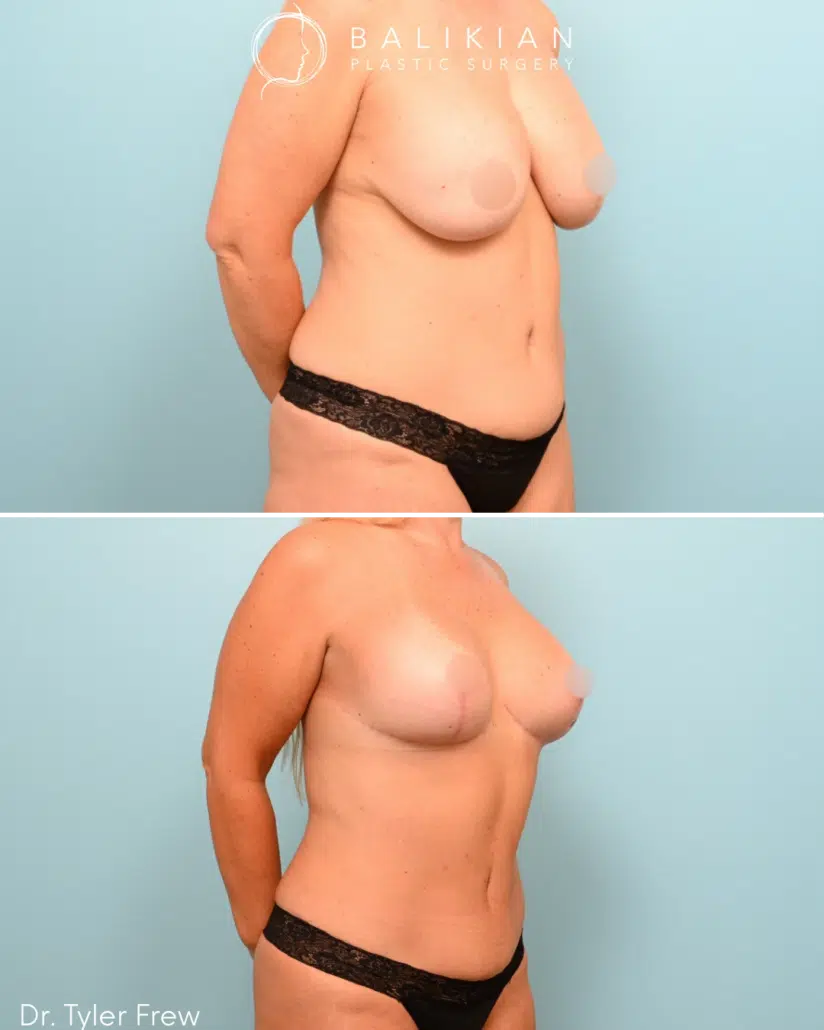
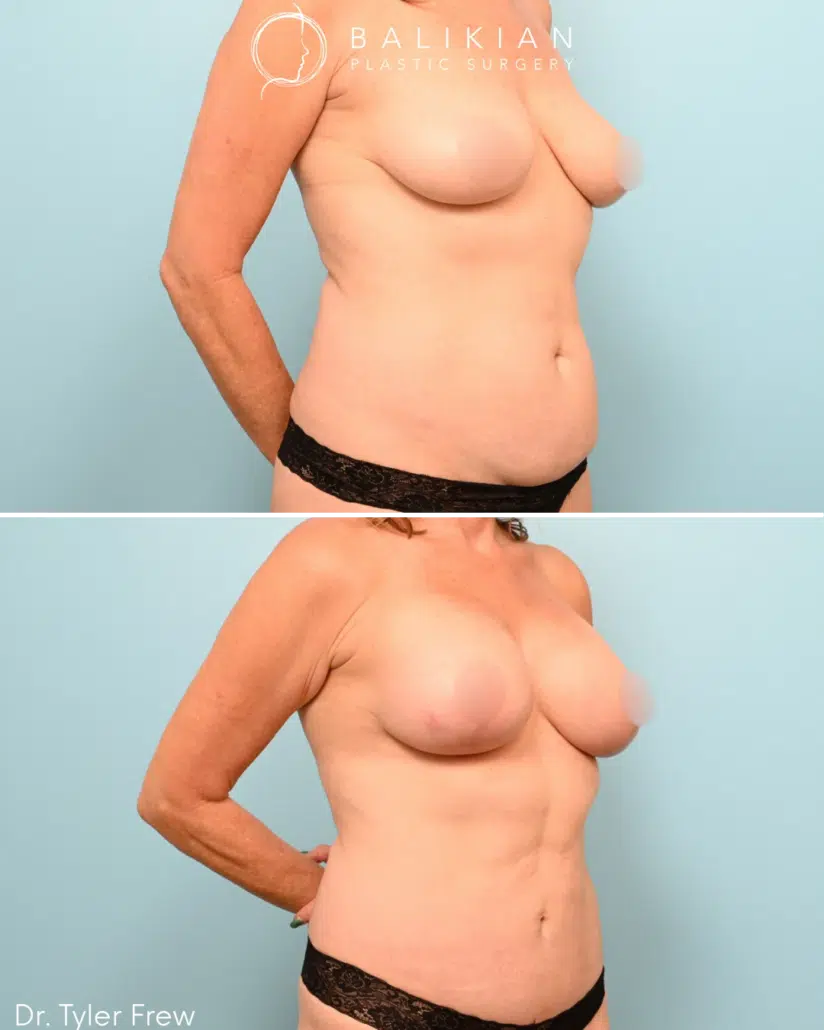
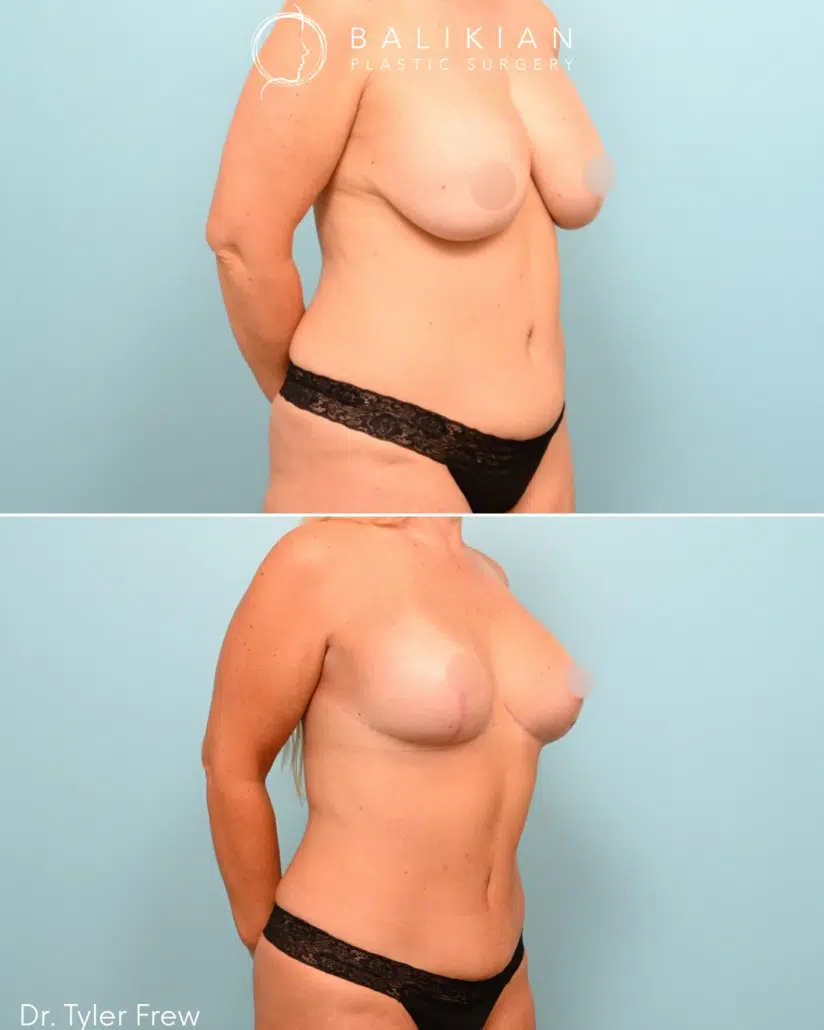
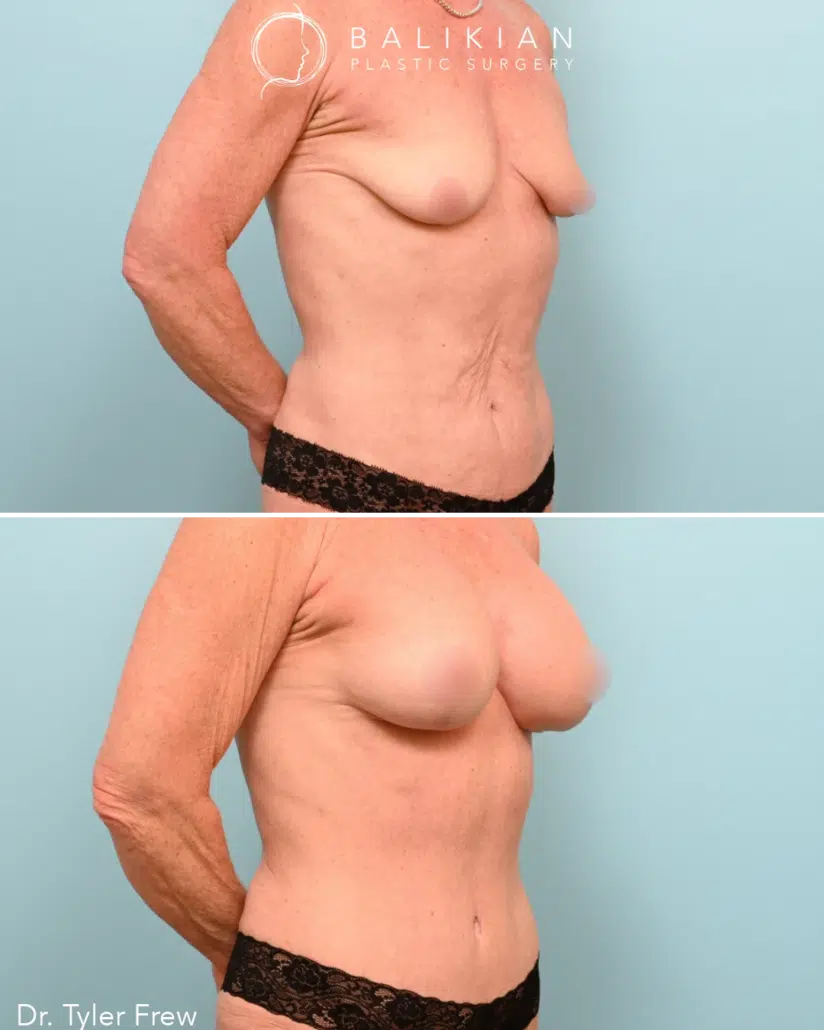
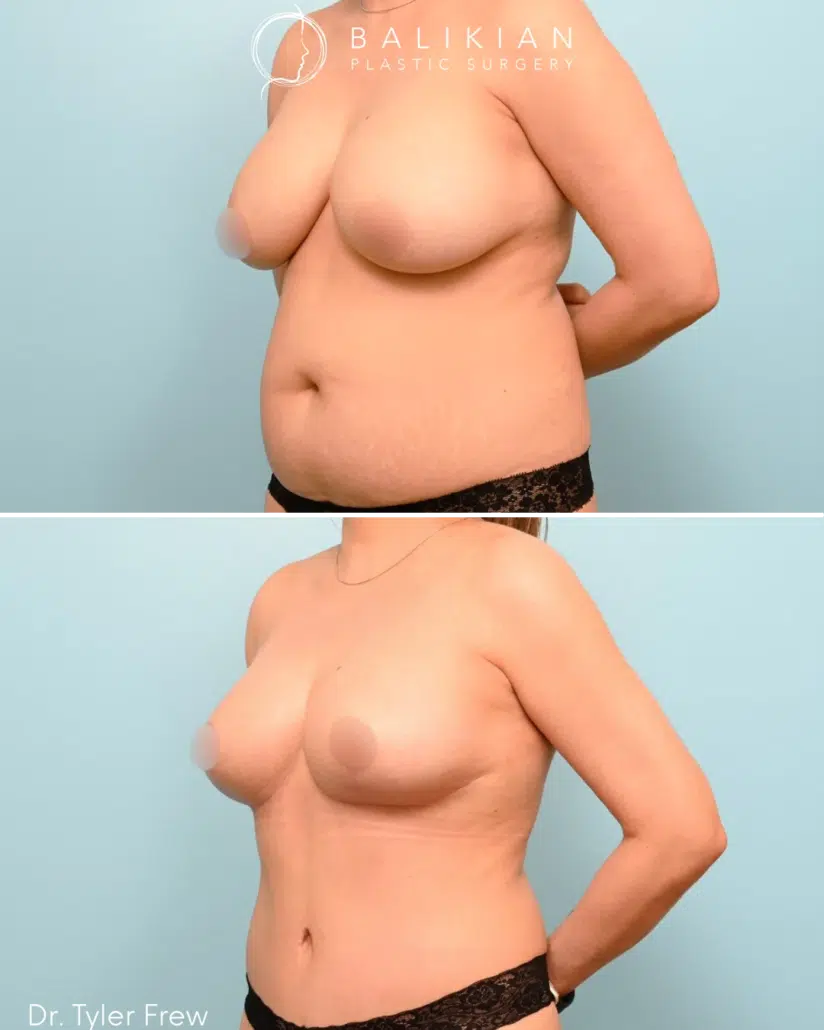
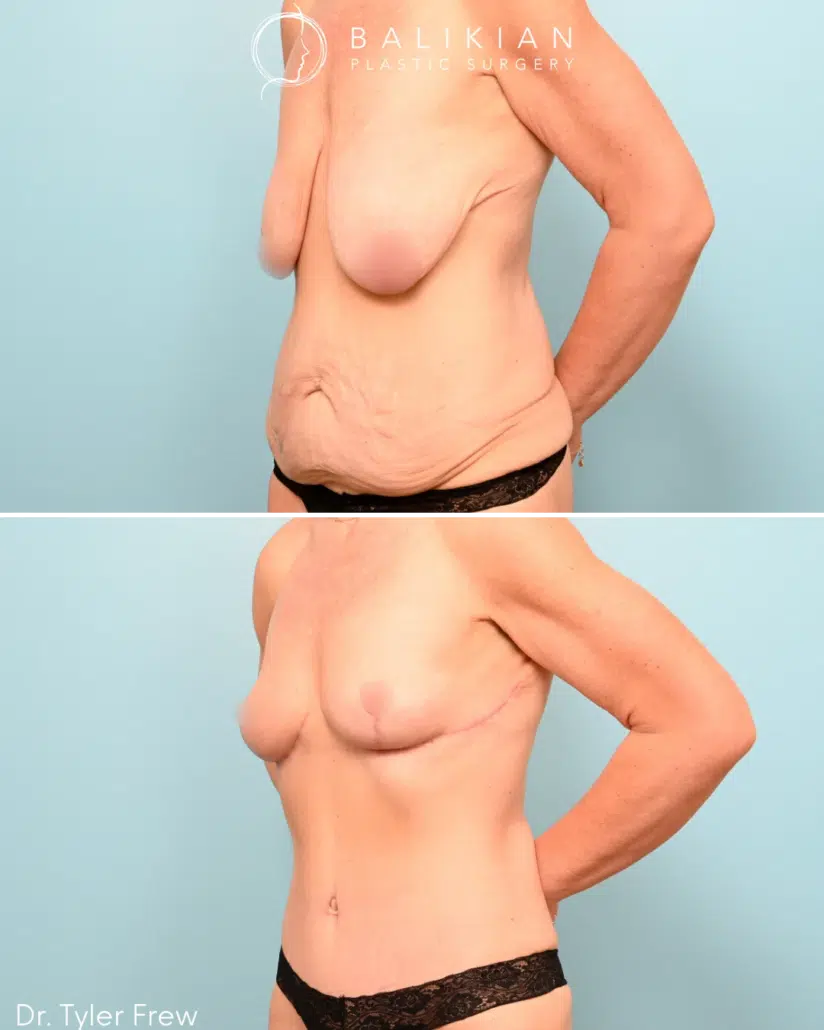
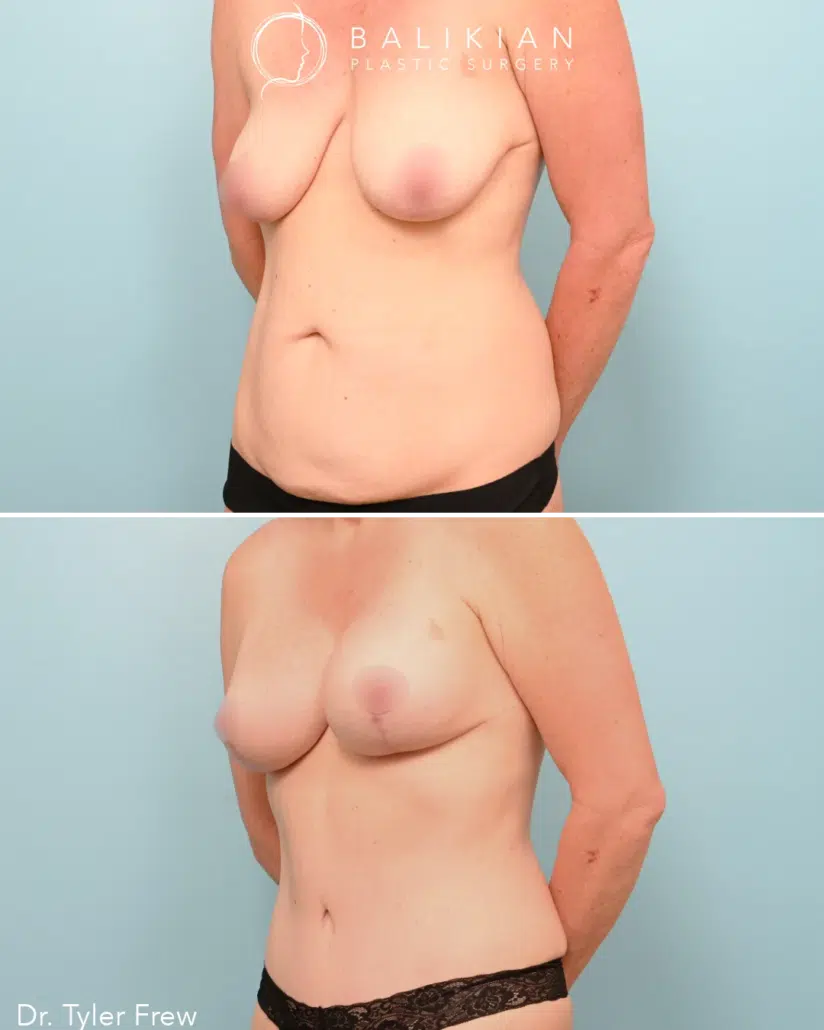
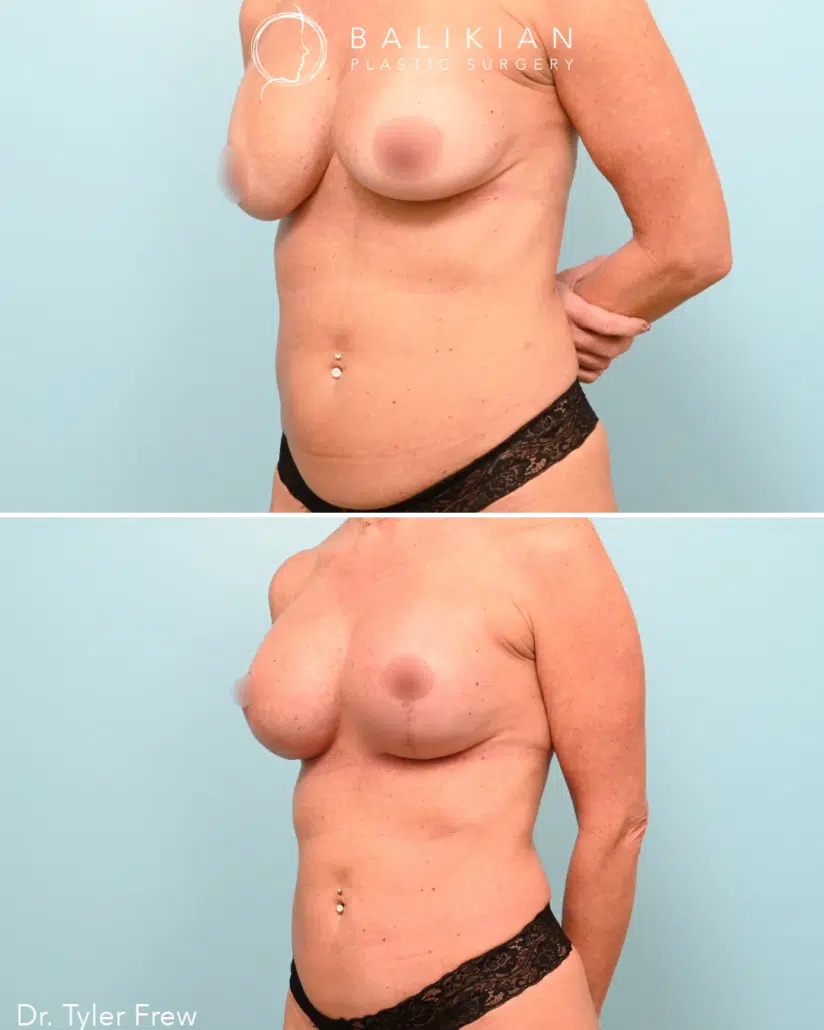
Beyond physical recovery, timing also involves practical sequencing. Understanding the mommy makeover recovery timeline helps patients plan surgery around work, childcare and support needs.
Some patients choose to combine procedures once recovery milestones are met. Others plan surgery in stages after the body has stabilized. Timing is about choosing a moment when surgery can be performed safely and recovery can be managed appropriately.
There is no single day or month that marks the “perfect” time for a mommy makeover. Recovery from pregnancy happens at different rates, and milestones are reached gradually.
Rather than focusing on a specific date, timing decisions are based on:
When these elements align, surgical planning can move forward with greater confidence.
Once post-pregnancy recovery milestones are met, the next step is understanding who is a good candidate for a mommy makeover and how surgery is evaluated overall.
Understanding timing helps ensure that surgery is performed when the body is ready, rather than too early in the recovery process.
For patients considering a mommy makeover, timing is about preparation, not urgency. Allowing the body to recover fully after pregnancy supports safer surgery, more accurate planning and more predictable outcomes.
Education and individualized consultation help determine when the body has reached the right point for surgery and how the next steps should be approached.
How long after childbirth should a mommy makeover be scheduled?
In Dr. Frew’s practice, patients are typically asked to wait six full months after childbirth before breast or abdominal surgery. This allows time for postpartum hormonal shifts and tissue recovery so surgical planning is more accurate and predictable. Research on combined aesthetic procedures emphasizes appropriate timing and patient selection as important factors in safety and outcomes.
Does a C section affect mommy makeover timing?
Yes. A C section involves additional abdominal healing, including deeper tissue recovery. Most surgeons recommend allowing the same minimum postpartum recovery window, then confirming the incision and underlying tissues have healed well before planning abdominal surgery. Studies on abdominoplasty show that complication risk varies based on patient and procedural factors, which is why timing is individualized.
Should breastfeeding be completed before a mommy makeover?
For breast surgery, it is generally safest to wait until breastfeeding has ended and lactation has resolved. Active lactation can affect breast tissue behavior and may increase certain postoperative risks.
Can a mommy makeover be done in stages instead of all at once?
Yes. Dr. Frew explains that mommy makeover procedures do not have to be done at the same time, and staging surgery is always an option depending on what is right for the patient. Research comparing combined and staged procedures shows outcomes depend heavily on patient selection and surgical planning.
Why do some patients choose to combine procedures?
Many patients choose to combine procedures for the convenience of one recovery period rather than multiple recoveries spread out over time. Dr. Frew notes this practical advantage during planning discussions. Combined abdominoplasty and breast surgery is commonly studied, with safety closely tied to patient risk factors and operative details.
Does combining procedures increase complication risk?
It can, depending on patient health, the number of procedures, and operative time. Large database studies show higher complication rates as additional procedures are added to abdominoplasty. Other research demonstrates that combined procedures can be performed safely in appropriately selected patients.
Should patients wait if they plan to have another pregnancy?
Many surgeons recommend waiting until childbearing is complete, because a future pregnancy can stretch repaired tissues and alter surgical results. Dr. Frew explains that pregnancy after surgery is not inherently dangerous, but results may change.
Can patients still breastfeed after breast implants?
Often, yes. Dr. Frew explains implants are typically placed above or below the chest muscle and not through breast tissue, helping preserve milk ducts and glands. Systematic reviews show many women with implants do breastfeed, although exclusive breastfeeding rates may be lower than in women without implants.
Does implant placement affect breastfeeding?
Implant placement is designed to avoid passing through breast tissue, which helps protect duct and gland architecture. Research suggests breastfeeding outcomes vary based on surgical factors and individual patient characteristics.
Can milk supply be predicted before surgery?
No. Dr. Frew notes that while many patients can breastfeed after implants, milk production cannot be guaranteed or predicted in advance. This aligns with lactation research showing significant individual variability in milk production.
Dr. Tyler Frew is a board-certified plastic and reconstructive surgeon specializing in aesthetic surgery of the breast and body.
He is known for delivering natural-looking results through advanced techniques in breast enhancement, tummy tuck, liposuction, and mommy makeover procedures.
Dr. Frew combines surgical expertise with compassionate, patient-focused care, helping each individual restore confidence and achieve their personal aesthetic goals.

Richard V. Balikian, MD, FACS
Double Board-Certified Facial Plastic Surgeon
Balikian Facial Plastic Surgery: Richard V. Balikian, MD, FACS
Tyler Frew, MD
Board-Certified Plastic Surgeon

 Can a Mommy Makeover Be Done in Stages?