Liposuction Recovery Guide | Timeline and What to Expect
A Complete Resource on Liposuction Recovery Time, Healing Milestones and What to Expect as Your New Contours Become Smoother, More Refined and More Defined.
If you are bothered by stubborn areas of fat that do not respond to diet and exercise, liposuction can create a more sculpted shape.
Your recovery is an essential part of that transformation. The way you heal affects how your skin contracts, how your contours smooth out and how long your results last.
This guide explains liposuction recovery time, what to expect week by week and how healing works after body contouring with Dr. Tyler Frew.
Liposuction removes excess fat cells from targeted areas to improve body contour. It does not change your underlying muscles or replace healthy lifestyle habits.
Research shows that liposuction has a low rate of serious complications when performed by qualified surgeons in appropriate settings. The most common issues are minor and relate to contour irregularities, swelling, seroma or temporary changes in sensation.
What you do during recovery has a big impact on:
Proper compression, early gentle movement and a stable long term lifestyle help support smoother contours and safer healing.
Dr. Frew uses a precise, safety focused approach and a recovery centered plan to support healing, comfort and long term contour.
Liposuction creates noticeable refinement, but it works best when you understand exactly what it can achieve and what it cannot.
Liposuction is best for:
Liposuction is not:
Studies show that fat cells removed with liposuction do not grow back. Remaining fat cells can still enlarge if weight is regained. Maintaining a stable weight helps protect your results.
Reviewing liposuction before and after photos is one of the best ways to understand what can be achieved.
You will see:
Dr. Frew’s goal is natural refinement. Your results should look like a more contoured version of you. Not a different person.
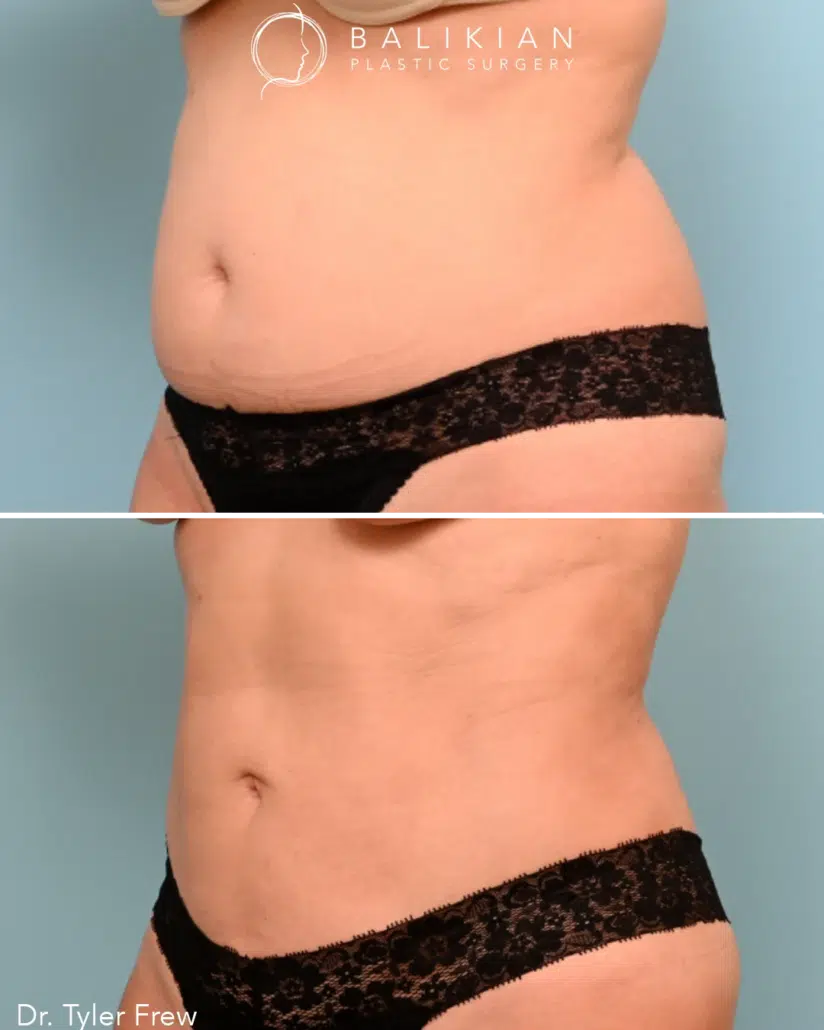

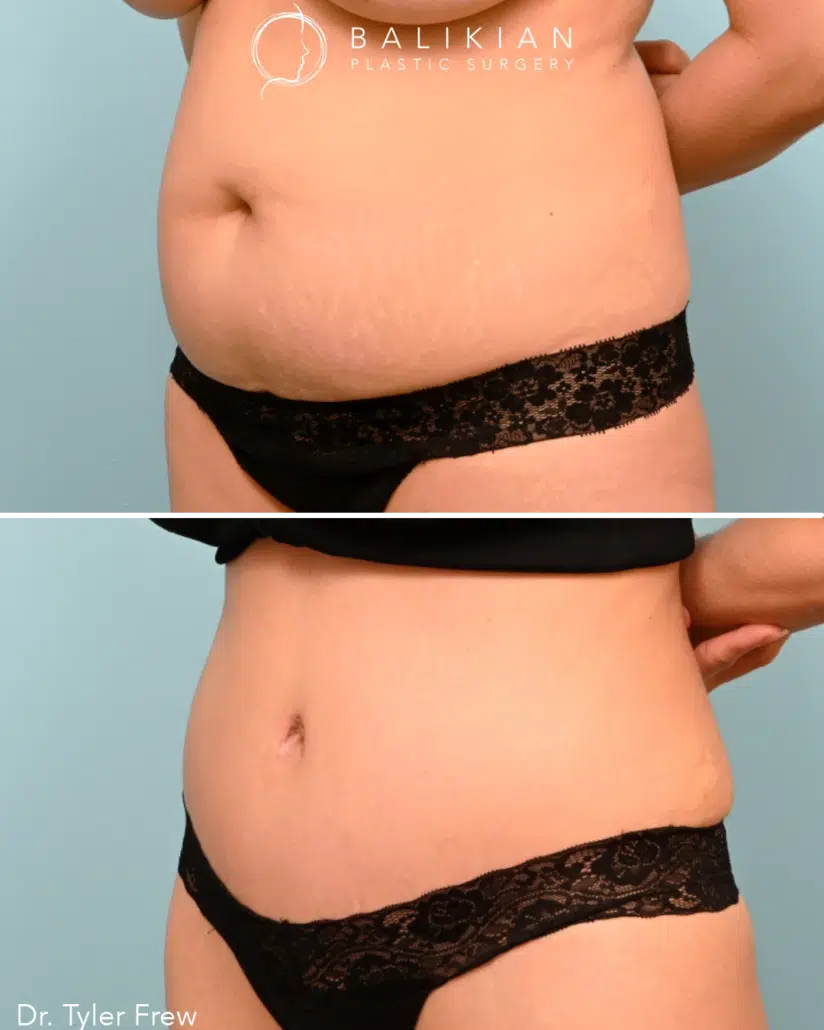
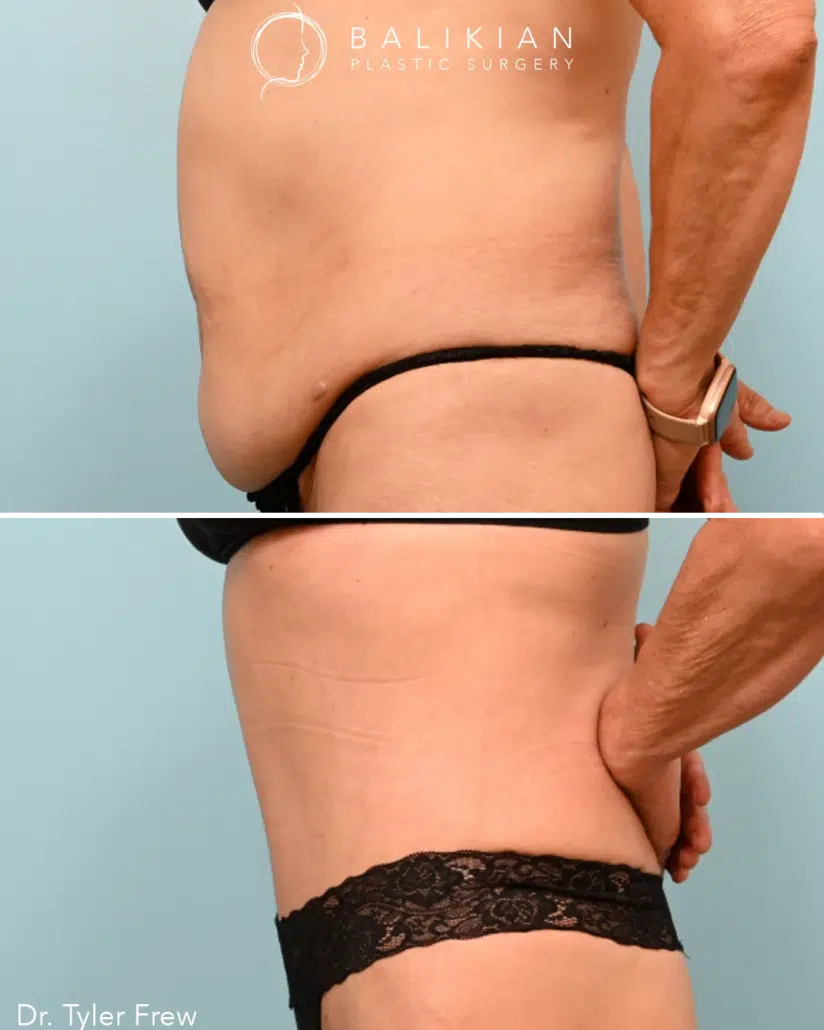
Every patient heals at a different pace. The outline below reflects common stages for many liposuction patients when they follow instructions carefully and do not combine liposuction with major additional procedures.
The first few days after liposuction focus on rest, protection and supporting your body through the early stages of swelling.
By the end of this period, most patients feel more familiar with their soreness and begin to settle into a manageable recovery rhythm.
During this stage, discomfort begins to ease and daily routines become a little easier to navigate.
By the end of the first week, many patients feel ready for light activity and notice early improvements in how they move.
As you move into the second week, your body continues to heal and visible signs of bruising and swelling start to shift.
Most patients complete this phase feeling more comfortable, more mobile and ready for a gradual return to normal routines.
Around the third week, movement feels smoother and your energy begins to return.
While swelling is still present, this stage often marks the point when patients begin seeing the earliest hints of their new contour.
Over the next several weeks, your shape becomes increasingly defined as internal swelling continues to settle.
By the end of this window, many patients feel significantly more like themselves and can gradually resume a more active lifestyle.
This phase brings major refinement as most of the noticeable swelling has resolved.
Patients often describe this period as the time when their results truly start to reveal themselves in clothing and day to day life.
In the final stage of recovery, your tissues continue to soften and your contour becomes fully established.
Understanding your timeline is only one part of the process. Equally important is knowing what helps you recover more comfortably and protect your results.
Recovering from liposuction is a process. Clear guidance makes each stage feel more predictable.
High quality compression garments help:
A recent practical review and additional studies suggest that stable, well fitted compression can help control edema, bruising and discomfort after body contouring procedures, including liposuction, although evidence is still evolving.
Dr. Frew will show you exactly how to wear your garments, how long to keep them on each day and when to transition to lighter support.
Early light walking supports:
You will avoid strenuous activity, but short, frequent walks around the house are encouraged as soon as it is safe.
Some patients benefit from structured lymphatic drainage or postoperative physiotherapy. In one study, the combination of manual lymphatic drainage and therapeutic ultrasound reduced swelling, tissue fibrosis and pain in patients after liposuction and lipoabdominoplasty.
Dr. Frew may recommend gentle massage or refer you to trained providers if he feels it would support your individual healing plan.
You will receive instructions on:
Good scar care and sun protection help access points fade more discreetly over time.
Photobiomodulation uses specific wavelengths of light to support cellular repair, reduce inflammation and promote faster postoperative recovery. Studies show that low level light therapy can help decrease swelling, improve tissue healing and support early comfort after surgical procedures by enhancing mitochondrial activity and reducing oxidative stress at the treatment site.
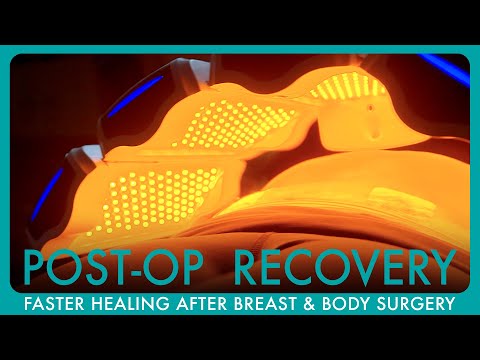
Dr. Frew may recommend targeted light therapy sessions to support lymphatic flow, reduce early bruising and encourage smoother tissue healing in the first few weeks after liposuction. Treatment is painless, requires no downtime and can be combined safely with compression and gentle walking for optimal recovery support.
Liposuction permanently removes treated fat cells. Lifestyle choices determine how remaining fat cells behave.
Educational resources from major plastic surgery organizations emphasize that regular physical activity and a healthy diet help maintain long term contour improvements after liposuction.
Dr. Frew encourages patients to:
These habits help protect your results and support a smoother, longer lasting outcome.
A more detailed recovery timeline can help you plan time away from work, childcare and daily obligations.
Week 1 focuses on rest, protection and circulation.
By the end of the first week, many patients feel more confident getting in and out of bed, using the bathroom independently and taking short walks around the home.
In weeks 2 and 3, you transition from very guarded movement to more normal daily activity.
Most patients can return to non physical work during this period, depending on the volume and location of treatment and whether other procedures were combined.
Weeks 4 to 6 often bring noticeable contour changes.
With clearance from Dr. Frew, you may begin light exercise that does not involve impact or heavy lifting. The goal is to return to movement gradually, not to push intensity.
By months 2 and 3, your body enters a more advanced stage of healing.
Patients often describe this as the time when they “forget” they had surgery and simply feel like themselves with a smoother shape.
Months 4 to 6 focus on refinement and stability.
You can usually continue to increase exercise intensity as tolerated, always listening to your body and following Dr. Frew’s guidance.
How long does swelling last after liposuction?
Most visible swelling improves over the first 4 to 6 weeks. Mild residual swelling and firmness can last several months as your tissues heal and remodel. Reviews of aesthetic surgery recovery note that transient edema is very common after procedures like liposuction and may persist beyond 6 weeks in a small percentage of patients.
When will I see my final liposuction results?
You will see early changes within a few weeks as swelling improves. Most patients see their results continue to refine up to 3 to 6 months after surgery. Skin quality, elasticity and how closely you follow compression and activity instructions all play a role.
How painful is liposuction recovery?
Most patients describe liposuction recovery as sore and tight rather than sharp pain. Discomfort is usually highest in the first few days and improves each day with proper medication, compression, rest and gentle walking. Many patients use only over the counter pain relievers after the early phase.
How long do I need to wear a compression garment?
The exact timeline is personalized. Many patients wear a more structured garment full time for several weeks, then transition to lighter support. Studies on compression suggest that stable, consistent pressure helps control edema and may support improved comfort after surgery. Dr. Frew will outline a specific plan for you.
When can I go back to work?
The answer depends on the areas treated, volume of fat removed and your job demands. Many patients with non physical jobs return to work within 7 to 14 days. Jobs that require heavy lifting or intense physical activity will need more time away.
When can I exercise again?
Light walking begins very early. Gentle, low impact exercise may resume after a few weeks, with gradual progression to more intense activity as healing allows. High impact workouts and heavy lifting usually require clearance around the 4 to 6 week mark or later, depending on your individual case.
Can liposuction results be permanent?
Liposuction permanently removes fat cells from treated areas. However, remaining fat cells can enlarge if you gain weight. Trusted plastic surgery resources emphasize that regular exercise and a healthy diet are key to maintaining long term results.
What is fibrosis after liposuction and can it be treated?
Fibrosis refers to firm, sometimes irregular areas of scar tissue that can form in the deeper tissues after liposuction. Many cases soften over time. Studies suggest that targeted manual lymphatic drainage and certain physical therapy modalities can help reduce swelling, tissue fibrosis and pain in the postoperative period.
What complications should I watch for?
Most patients heal without serious issues. Systematic reviews report that complications are generally low. When they do occur, they are often contour irregularities, seroma, infection, hematoma or skin changes such as transient hyperpigmentation.
How can I support the best possible recovery?
Wear your surgical or support bra as directed. Sleep on your back with your chest elevated. Walk daily. Avoid lifting, stretching and workouts until your surgeon clears you. Stay hydrated, eat nutrient rich foods and attend all scheduled follow up visits.
Does light based therapy help with recovery?
Photobiomodulation, often offered as LED light therapy, can support healing by improving circulation and reducing early swelling. Many patients feel they recover more comfortably when this treatment is added to their postoperative care plan.
When should I contact my surgeon during recovery?
Call right away if you notice rapidly increasing swelling, severe pain, fever, redness, foul drainage, sudden breast asymmetry or any change that feels out of the ordinary. Early communication helps keep your recovery on track.
Dr. Tyler Frew is a board-certified plastic and reconstructive surgeon specializing in aesthetic surgery of the breast and body.
He is known for delivering natural-looking results through advanced techniques in breast enhancement, tummy tuck, liposuction, and mommy makeover procedures.
Dr. Frew combines surgical expertise with compassionate, patient-focused care, helping each individual restore confidence and achieve their personal aesthetic goals.

Richard V. Balikian, MD, FACS
Double Board-Certified Facial Plastic Surgeon
Balikian Facial Plastic Surgery: Richard V. Balikian, MD, FACS
Tyler Frew, MD
Board-Certified Plastic Surgeon

 What Is the Inframammary Incision?