Breast Implant Placement | Above vs Below the Muscle
Discover How The Internal Bra Breast Lift Works, Who It Helps, And What Recovery Looks Like With Dr. Shain Cuber
One of the most important technical decisions in breast augmentation surgery is where the breast implant will be placed. While patients often focus on implant size or shape, surgeons also evaluate the anatomical layer where the implant will sit. Implant placement can influence the appearance of the breast, the way implants feel and certain aspects of recovery.
According to board-certified plastic surgeon Dr. Shain Cuber, implant placement is determined by several anatomical factors including breast tissue thickness, chest structure, skin elasticity and the desired shape of the breast after surgery. These factors help surgeons determine which placement technique will provide the most balanced and natural result for each patient.
In breast augmentation surgery, implants are typically positioned in one of two primary locations. They can be placed above the chest muscle, directly beneath the breast tissue, or they can be placed beneath the pectoralis major muscle. In some cases, surgeons may also use a technique called dual plane placement, which combines elements of both approaches.
Understanding how these placement options differ helps patients better understand how breast augmentation surgery is planned and why surgeons may recommend one technique over another.
Implants placed above the muscle sit between the natural breast tissue and the pectoralis muscle. This approach is often called subglandular placement because the implant sits beneath the breast gland but above the muscle.
For some patients, this placement can provide a natural appearance when there is enough natural breast tissue to cover the implant. Because the implant is not placed beneath the muscle, the surgical pocket involves less muscle manipulation.
Surgeons may consider above-the-muscle placement when:
Some patients may experience slightly less muscle-related tightness during early recovery with this technique. However, in individuals with thinner tissue coverage, implants placed above the muscle may be more visible and may occasionally produce visible rippling or implant edges.
Implants placed below the muscle sit partially beneath the pectoralis major muscle. This approach is commonly referred to as submuscular placement.
Placing the implant beneath the muscle provides an additional layer of soft tissue coverage over the implant. This added coverage can help create smoother contours in the upper portion of the breast.
Surgeons may consider below-the-muscle placement when:
Submuscular placement is commonly used in breast augmentation surgery because it can help create a natural slope in the upper breast while still allowing the implant to provide fullness in the lower breast. Because the muscle is involved in creating the surgical pocket, early recovery may include temporary muscle tightness or soreness as the tissue adapts to the implant.
Many modern breast augmentation procedures use a technique known as dual plane implant placement.
In this approach, the implant sits partially beneath the pectoralis muscle in the upper breast while the lower portion of the implant sits beneath the natural breast tissue. This allows the muscle to provide coverage in the upper breast while still allowing the implant to shape the lower breast naturally.
Surgeons may consider dual plane placement when:
This technique allows surgeons to combine the advantages of both placement approaches while helping shape the breast in a more natural way.
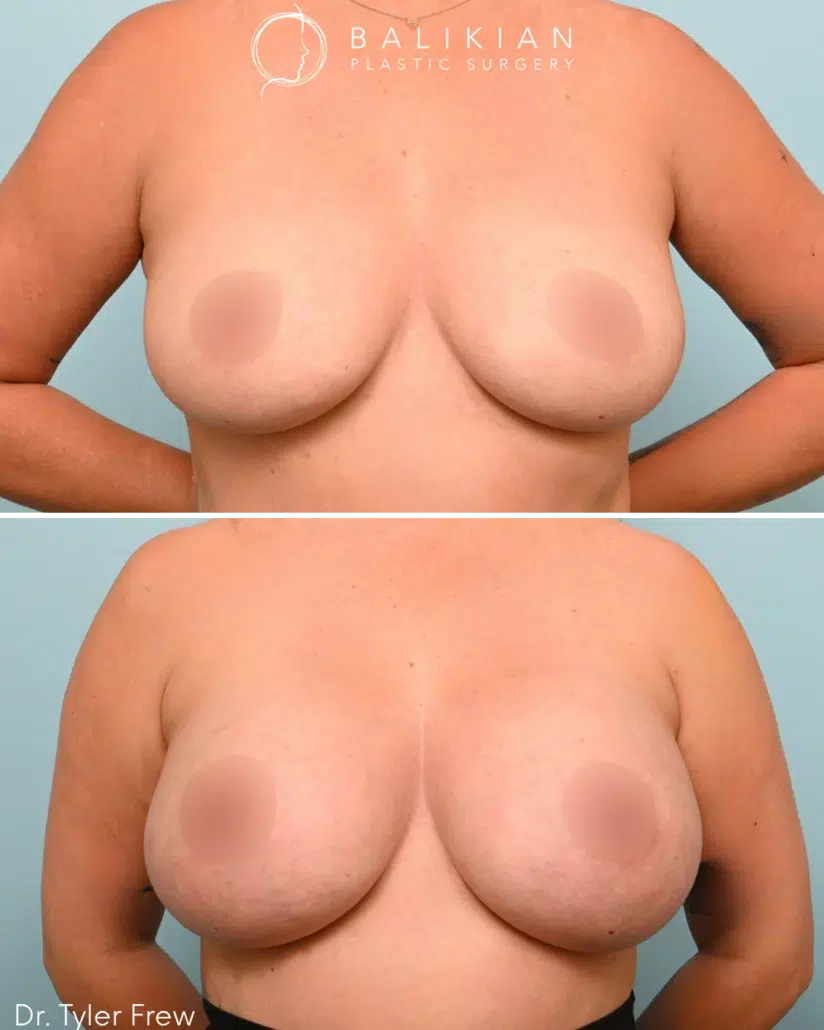
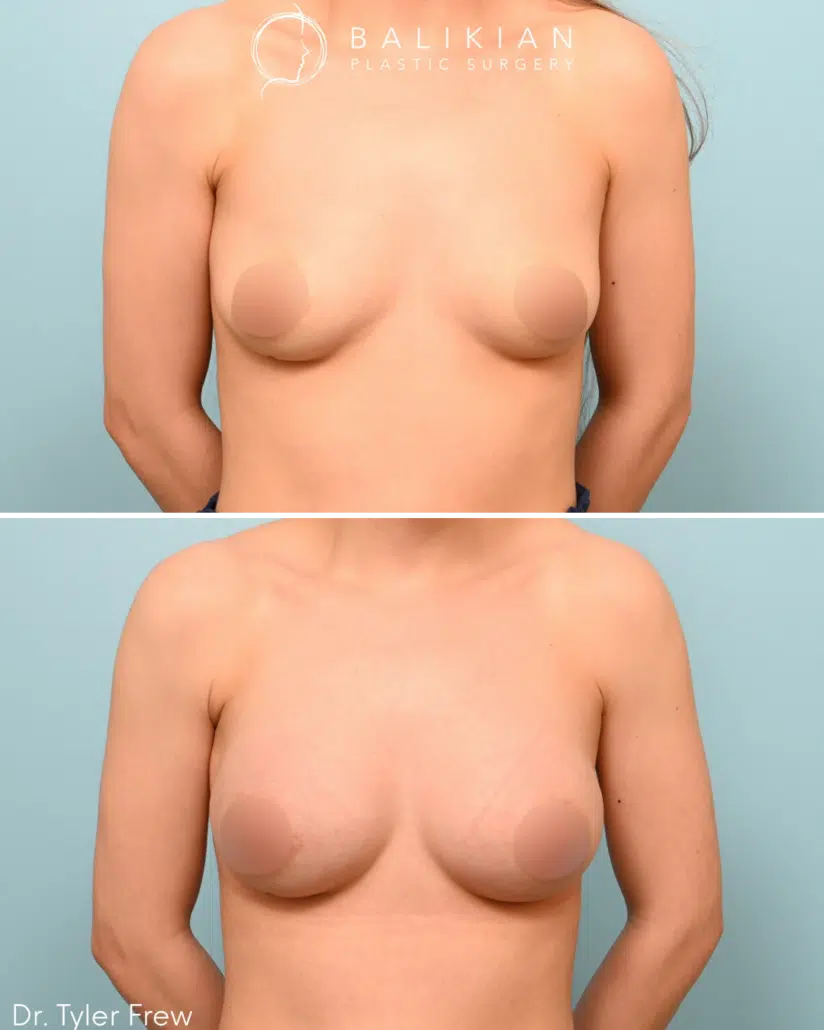
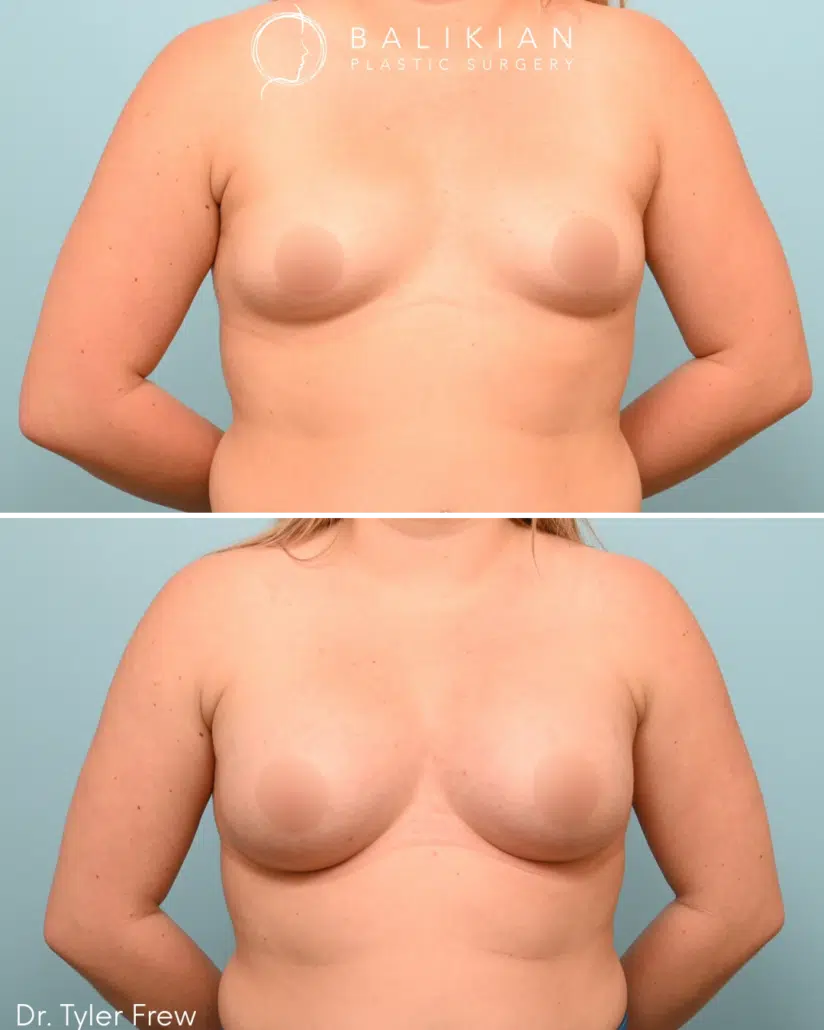
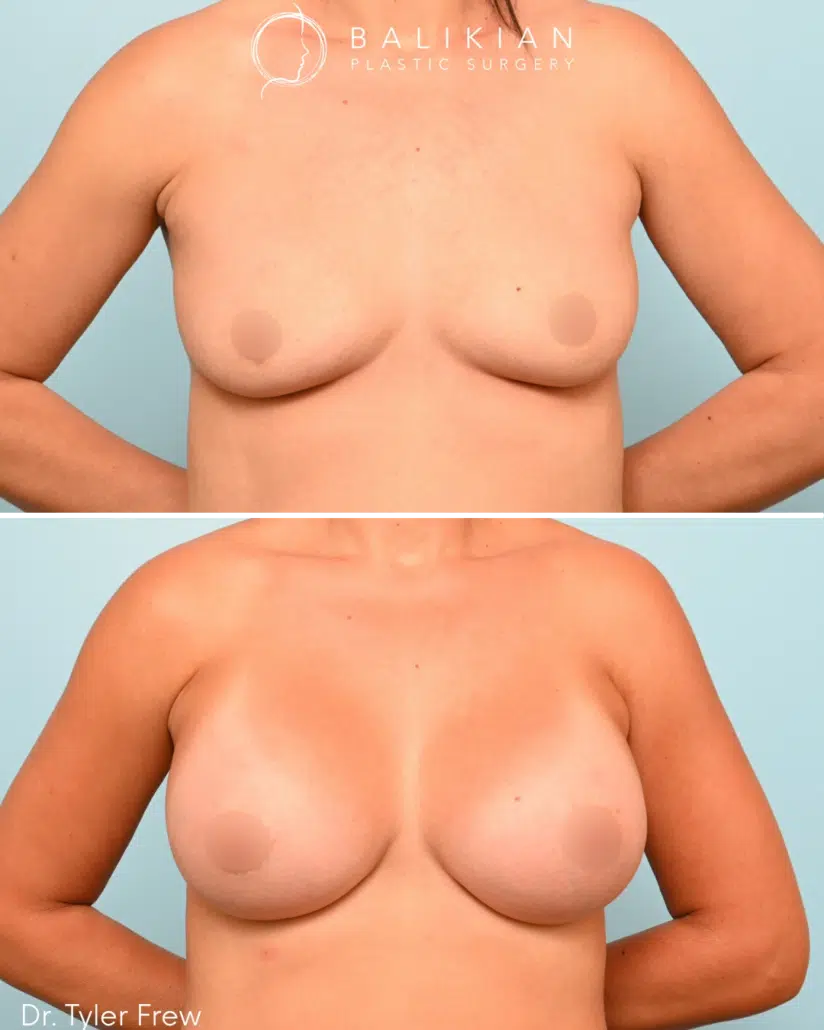


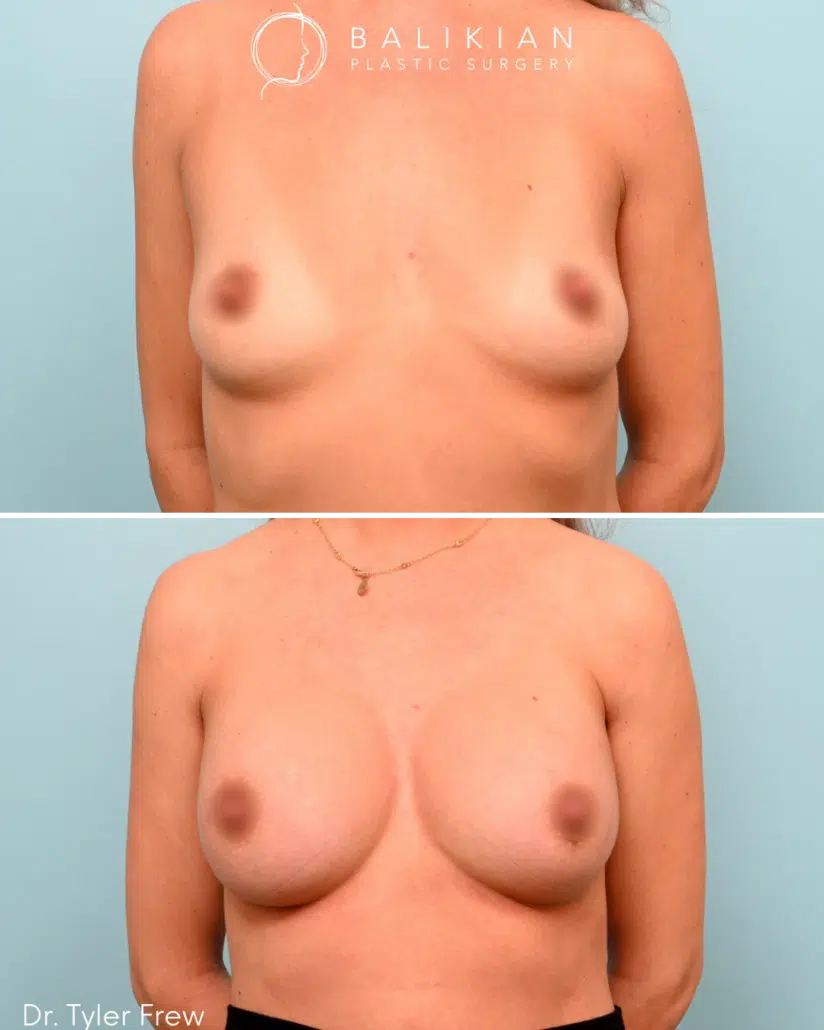
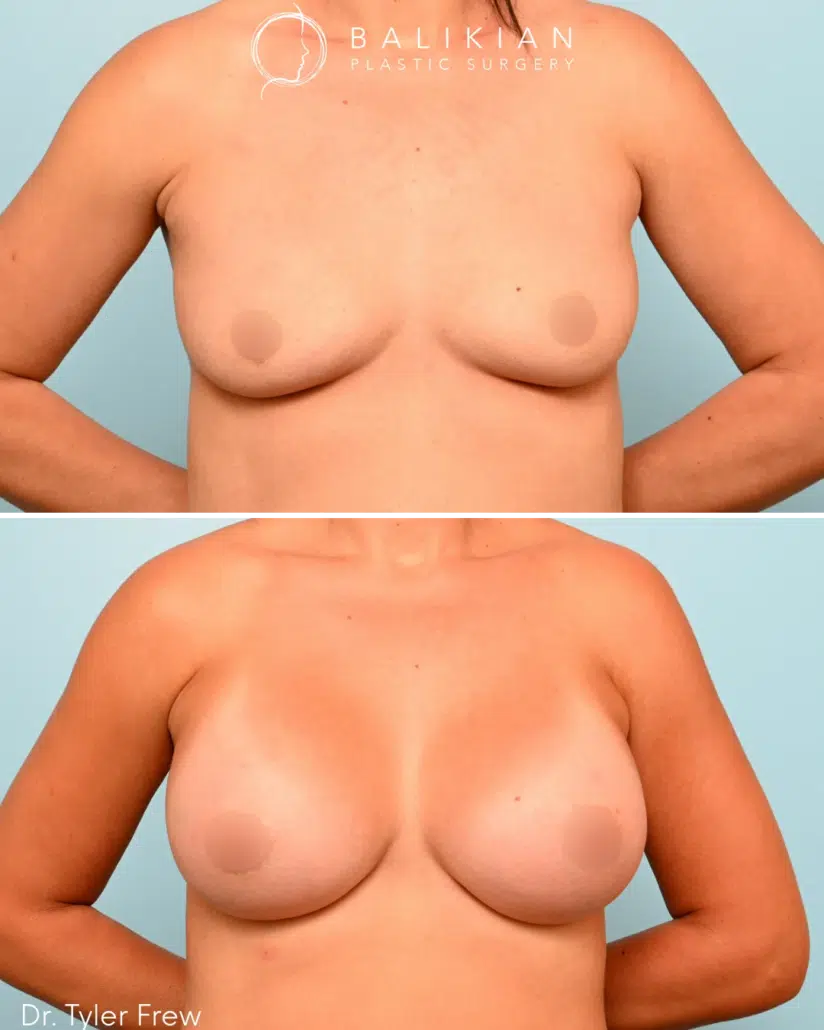
Choosing implant placement is not based on a single rule. Surgeons evaluate several anatomical factors when planning breast augmentation surgery.
Important considerations include:
Patients with thinner tissue coverage may benefit from the additional soft tissue support provided by submuscular placement. Patients with thicker breast tissue may be candidates for above-the-muscle placement depending on their anatomy and aesthetic goals.
During consultation, these factors are evaluated together so the surgical plan can be tailored to the individual body.
Implant placement can influence several aspects of breast augmentation outcomes over time.
Placement beneath the muscle may help reduce visible implant edges in patients with thinner tissue and can create smoother upper breast contours. Placement above the muscle may allow implants to move more naturally with the breast tissue in certain cases.
Surgeons also consider how implant placement may influence breast movement, implant visibility and long-term breast proportions.
Because every patient’s anatomy is different, the goal of implant placement planning is to create a balanced result that fits the individual body rather than applying the same approach to every patient.
Breast augmentation planning involves more than simply choosing implant size. Surgeons evaluate implant type, implant profile, incision location and implant placement together to create a surgical plan that supports natural proportions and long-term balance.
Patients researching breast surgery often benefit from understanding how these technical decisions work together to shape the final result.
Learning how surgeons evaluate implant placement can help patients better understand the planning process behind breast augmentation surgery and the factors that influence long-term results.
How do surgeons decide whether implants should be placed above or below the muscle?
Implant placement depends on tissue thickness, chest anatomy, implant size, and the desired breast shape. Modern breast augmentation planning emphasizes individualized implant pocket selection rather than a single technique for all patients.
What is the difference between above-the-muscle and below-the-muscle implants?
Above-the-muscle implants (subglandular) sit between the breast tissue and pectoralis muscle. Below-the-muscle implants (submuscular) sit partially beneath the pectoralis muscle, providing additional tissue coverage over the implant.
Does implant placement affect capsular contracture risk?
Yes. Some studies have reported higher capsular contracture rates in subglandular breast augmentation compared with submuscular placement, although outcomes also depend on surgical technique and implant type.
What is dual plane breast augmentation?
Dual plane augmentation places the upper portion of the implant beneath the pectoralis muscle while allowing the lower portion to sit beneath breast tissue. This helps combine upper implant coverage with natural lower breast shaping.
Can implant placement affect rippling or implant visibility?
Yes. Rippling is more likely when implants have thin tissue coverage. Placing implants beneath the muscle or using techniques that increase soft-tissue coverage may reduce visible implant edges.
What is animation deformity?
Animation deformity occurs when breast implants placed beneath the pectoralis muscle move during muscle contraction. This is a recognized tradeoff of submuscular implant placement.
Does incision location change implant placement?
No. Incision location determines surgical access, but the implant pocket can still be created above or below the muscle regardless of incision site.
Does below-the-muscle placement always produce a more natural result?
Not necessarily. Natural results depend on implant size, implant profile, tissue thickness, and overall breast proportions. Implant placement is chosen based on anatomy rather than a universal rule.
Dr. Shain Cuber is a breast & body plastic surgeon specializing in aesthetic surgery of the breast and body.
With more than 20 years of surgical experience, he is known for creating natural-looking results through breast enhancement, tummy tuck, liposuction, Mommy Makeover and body-contouring procedures.
Dr. Cuber combines meticulous surgical technique with attentive, patient-focused care, helping each individual feel confident and comfortable throughout their surgical journey.

 How to Get the Best Liposuction Results