Who Is a Good Candidate for a Mommy Makeover?
Candidacy Is Determined by Timing After Pregnancy, Physical Recovery, Lifestyle Readiness, and Individual Goals Rather Than a Fixed Checklist.
A mommy makeover is not a single procedure or a one-size-fits-all solution. It is a customized surgical plan designed to address physical changes that can occur after pregnancy, childbirth and breastfeeding.
Determining candidacy involves careful evaluation of timing, anatomy, recovery readiness and personal goals.

As a board-certified breast and body specialist, Dr. Shain Cuber approaches mommy makeover planning with an individualized mindset, ensuring that surgery is appropriate, safe, and aligned with each patient’s long-term expectations.
Timing after childbirth is one of the most important factors in mommy makeover candidacy. In Dr. Cuber’s practice, patients are generally advised to wait at least six months after pregnancy before undergoing surgery. This allows the body time to recover from the physical and hormonal changes of pregnancy and begin returning to a more stable, pre-pregnancy state.
This guideline applies to both breast procedures and abdominal surgery. Tissues need adequate time to heal and settle before surgical planning can be done accurately. Pursuing surgery too early may lead to less predictable results or a more challenging recovery.
Breastfeeding status plays an important role in determining timing and candidacy. Breast implants are placed either above or below the chest muscle and are not placed through the breast tissue itself. Because the milk ducts and milk glands are preserved, many patients who were able to breastfeed before surgery are still able to breastfeed after breast implants.
However, milk production varies from person to person and cannot be predicted before pregnancy. A small percentage of women are unable to produce enough milk regardless of whether they have breast implants. Patients who are currently breastfeeding or planning future pregnancies should discuss timing and goals carefully during consultation to determine the most appropriate approach.
Patients who are finished having children are often better candidates for a mommy makeover. Future pregnancies can stretch tissues again and potentially reverse or alter surgical results, particularly in the abdomen and breasts.
While surgery does not prevent future pregnancy, waiting until family planning is complete can help preserve long-term outcomes.
Candidacy is not based on a rigid rule, but rather on individual priorities, expectations and timing.
Good candidates for a mommy makeover are typically at a stable, maintainable weight. Significant weight fluctuations before or after surgery can affect results and longevity. Rather than focusing on a specific number on the scale, Dr. Cuber evaluates body proportions, tissue quality and how pregnancy has affected the breasts and abdomen.
Overall health is also a key consideration. Medical history, healing capacity and safety factors are reviewed to determine whether procedures should be combined or staged over time.
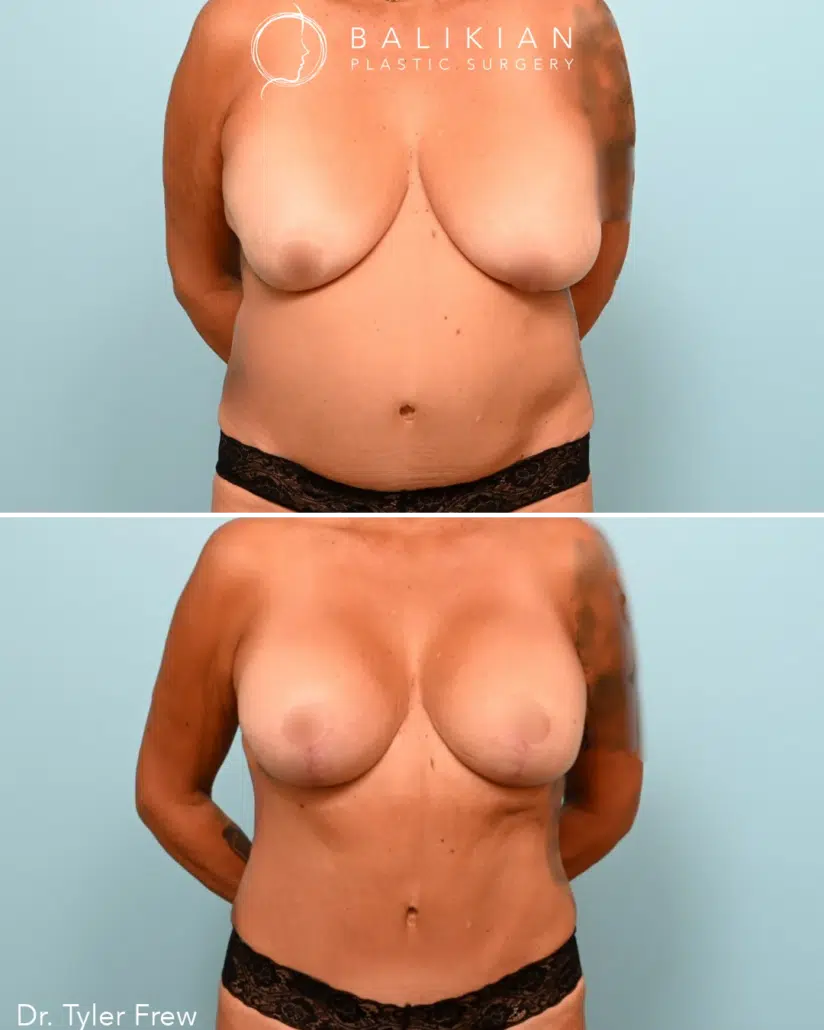
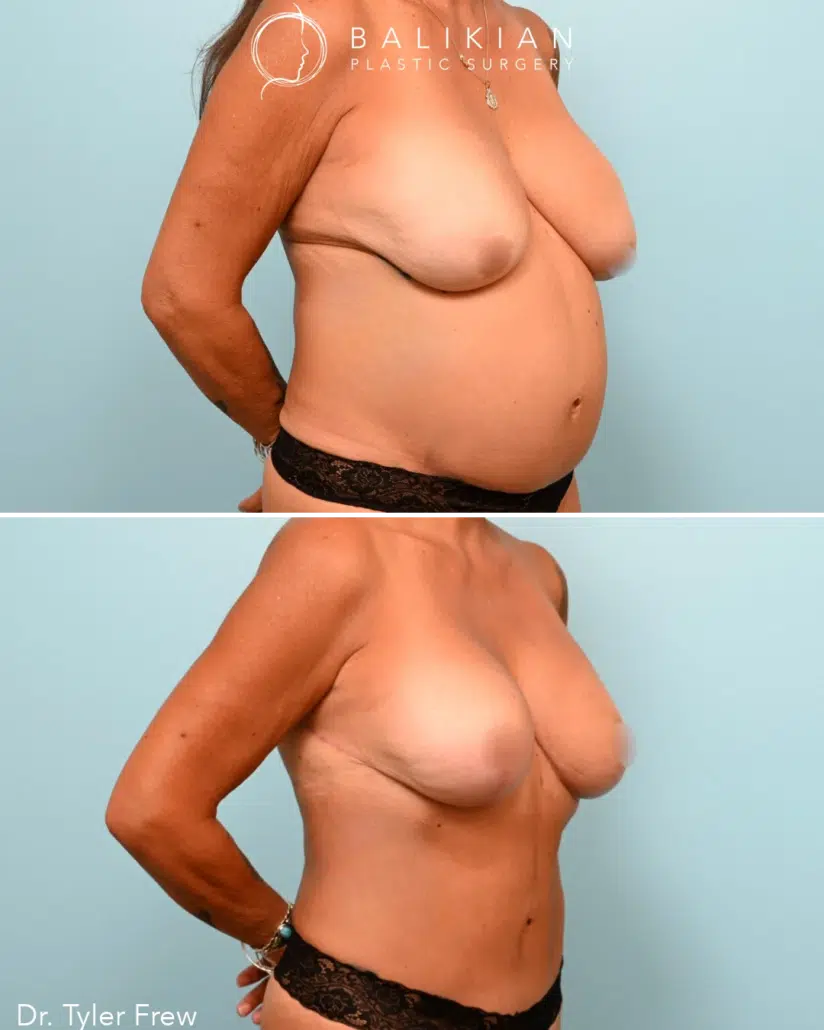
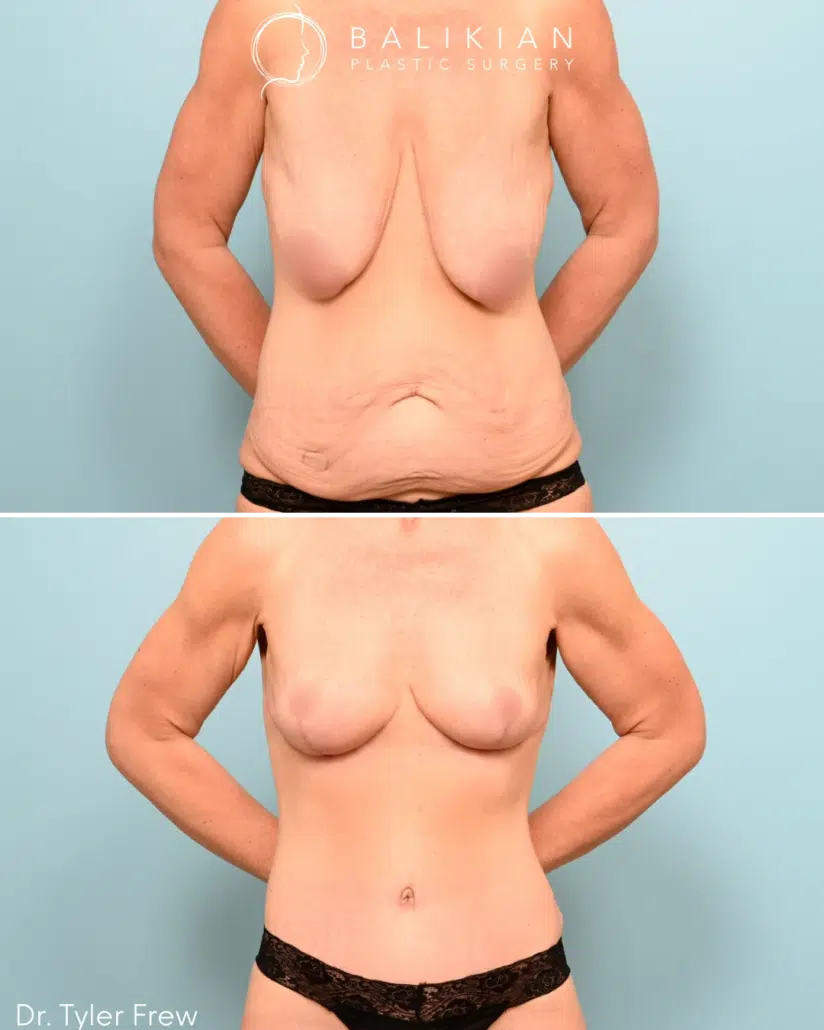
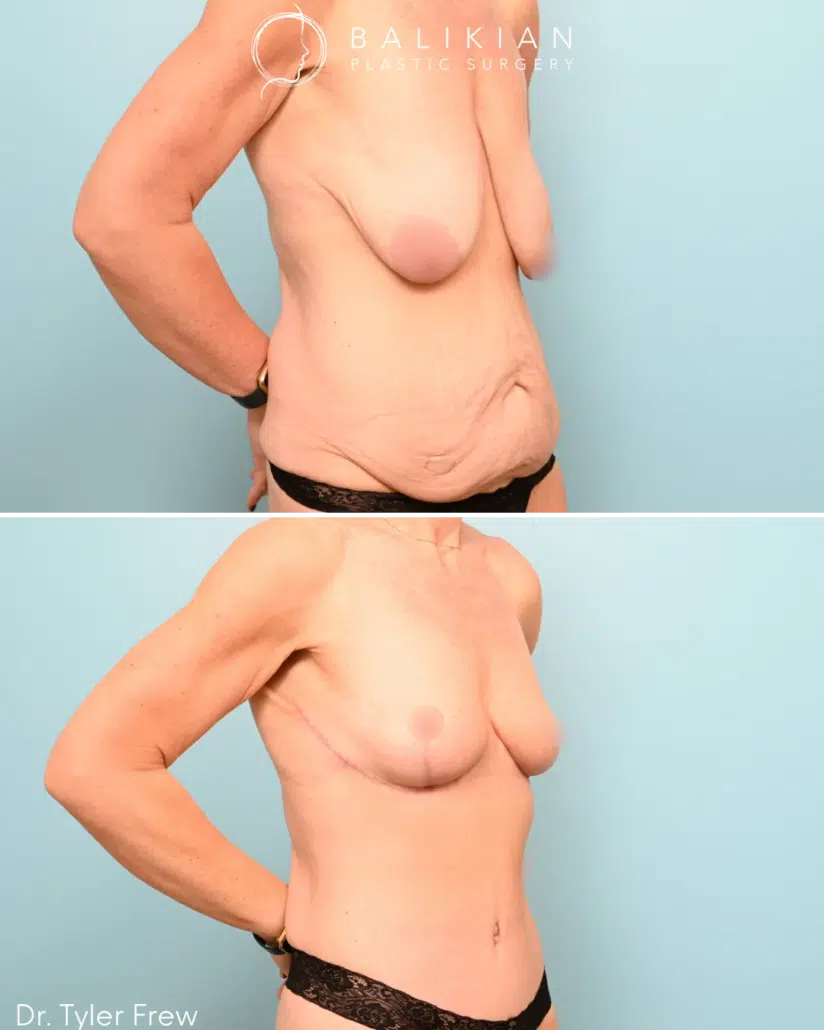
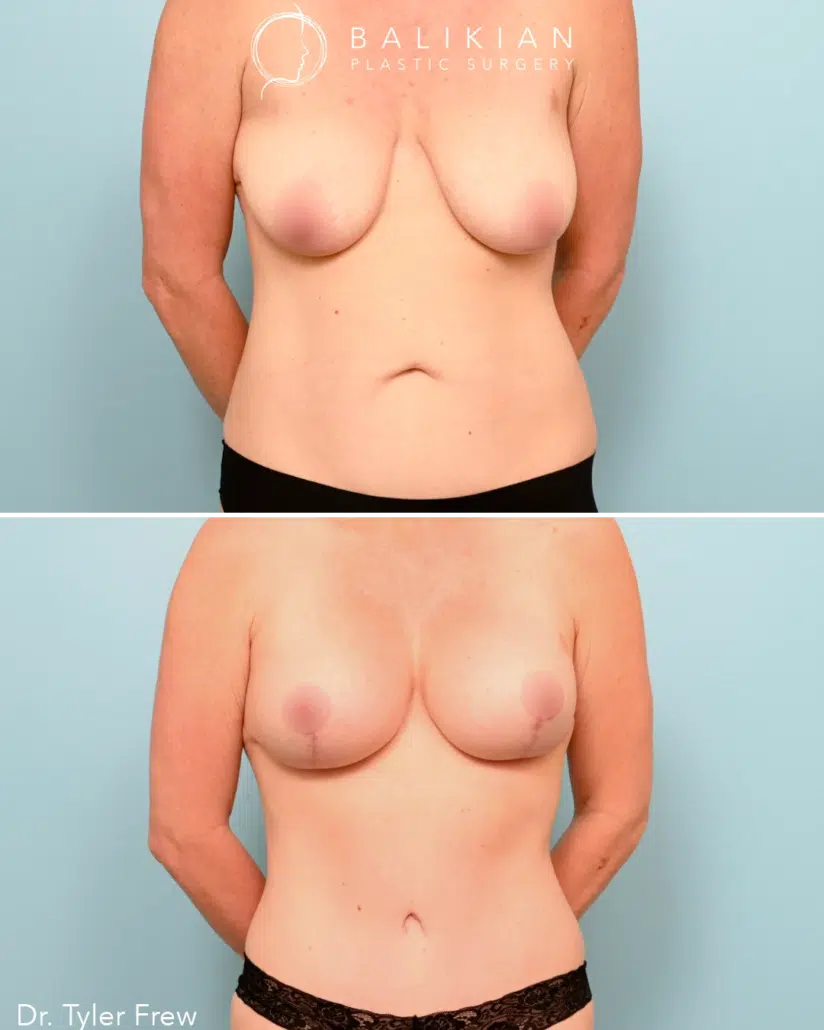
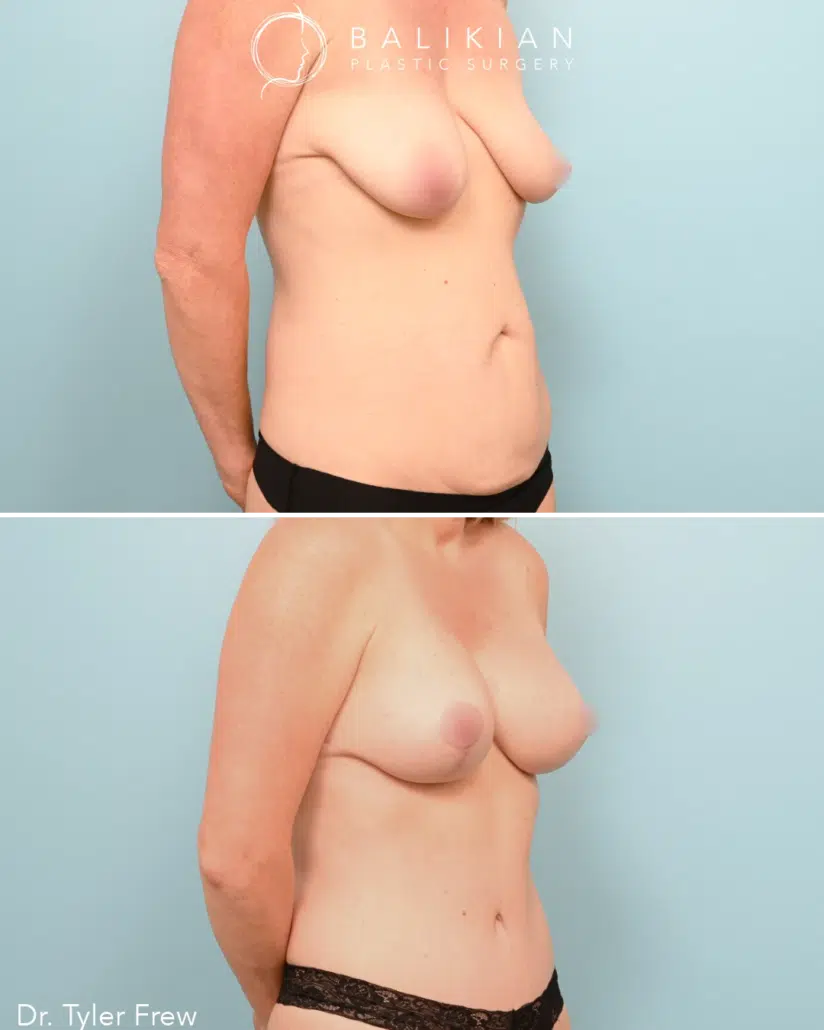

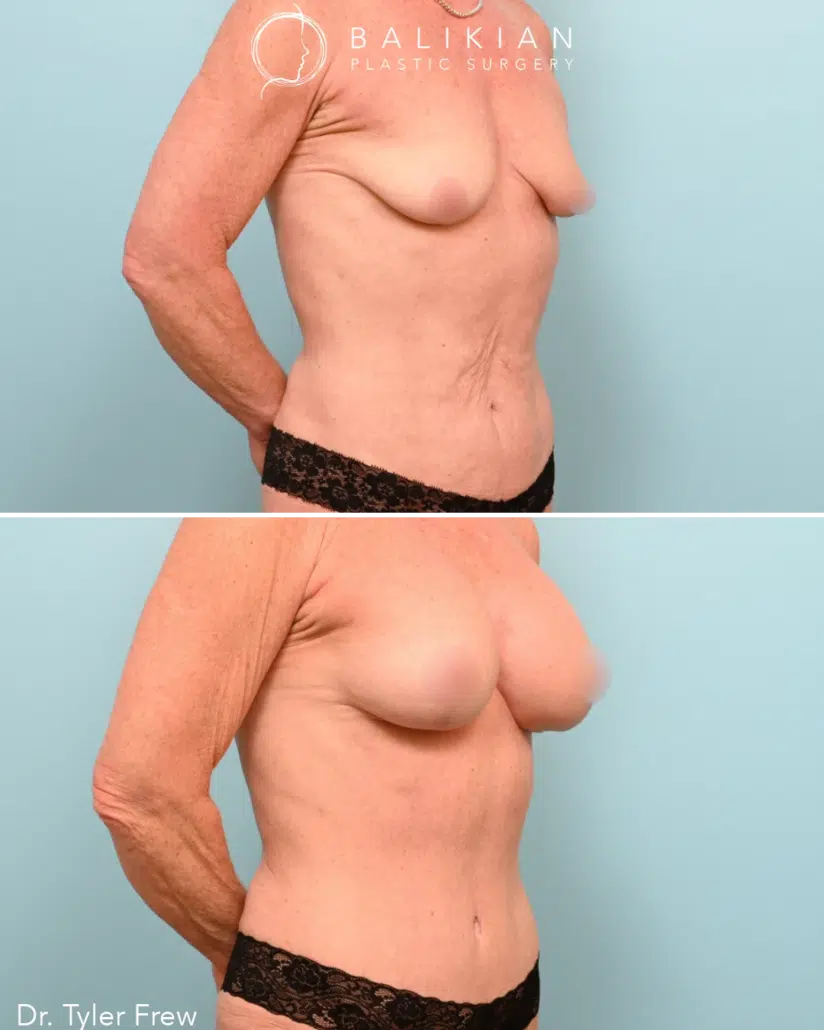
A mommy makeover requires recovery, whether procedures are performed together or in stages. Good candidates understand the physical demands of healing and are prepared to follow post-operative instructions.
Some patients choose to combine procedures for the convenience of a single recovery period. Others prefer to stage surgery over time to better accommodate work, childcare or lifestyle demands. Both approaches are valid, and candidacy includes determining which option best supports a safe recovery.
A mommy makeover is a customized plan, not a preset package. Some patients benefit from breast surgery alone, while others require abdominal repair, liposuction, or a combination of procedures. Candidacy is determined by anatomy, tissue changes and personal goals rather than trends or standard offerings.
Clear communication during consultation helps ensure expectations are realistic and aligned with what surgery can safely achieve.
There is no single checklist that determines who qualifies for a mommy makeover.
Instead, candidacy is evaluated based on a combination of factors, including:
This holistic evaluation allows surgical planning to be tailored safely and effectively.
Every patient’s body, recovery capacity, and goals are different. Dr. Cuber emphasizes that mommy makeover candidacy is evaluated on a case-by-case basis, taking into account anatomy, timing, lifestyle, and long-term plans.
This individualized approach supports safer surgery, more predictable outcomes, and results that align with each patient’s expectations rather than forcing a standardized timeline or procedure list.
Understanding candidacy is an essential first step when considering a mommy makeover. Education, thoughtful planning and personalized consultation help determine whether surgery is appropriate and how it can be customized for each body and lifestyle.
For patients exploring mommy makeover surgery, candidacy is not about meeting a rigid standard. It is about finding the right timing and approach based on individual needs and goals.
How long after childbirth is it usually safe to consider a mommy makeover?
In Dr. Cuber’s practice, patients are typically advised to wait at least six months after childbirth before breast or abdominal surgery. This allows the body time to recover from pregnancy related changes and return closer to a stable baseline. Clinical research on combined aesthetic surgery emphasizes careful patient selection and timing as key factors in safety and outcomes.
Is it better to wait until finished having children?
Yes. Patients who are done having children are generally better candidates for a mommy makeover. Future pregnancies can stretch repaired abdominal muscles and breast tissues, potentially altering surgical results. This consideration is widely reflected in body contouring literature addressing durability of outcomes after abdominoplasty.
Does weight or BMI matter for mommy makeover candidacy?
Weight stability is an important consideration. Being at a stable, maintainable weight helps improve predictability of results.
Multiple studies show higher complication rates in abdominoplasty patients with elevated BMI, reinforcing the importance of individualized risk assessment.
Do all mommy makeover procedures have to be done at the same time?
No. Mommy makeover procedures can be combined or staged. Some patients choose to combine procedures for convenience and a single recovery, while others prefer staging surgery over time. Research comparing combined versus staged approaches shows that combined procedures can be safe in appropriately selected patients, highlighting the importance of individualized planning.
Is a mommy makeover riskier than a tummy tuck alone?
Risk depends on the patient’s health, procedure combination, and operative planning. Studies comparing mommy makeover surgery to abdominoplasty alone suggest that complication rates are closely tied to patient selection rather than the label of the procedure itself.
Can breastfeeding still be possible after breast implants?
Often, yes. Breast implants are placed above or below the chest muscle and do not pass through breast tissue, helping preserve milk ducts and glands. However, milk production varies by individual, and a small percentage of women cannot produce enough milk regardless of surgery. This cannot be predicted before pregnancy.
What health factors most affect mommy makeover candidacy?
Overall health plays a major role. Factors such as smoking, diabetes, and elevated BMI have been associated with higher complication risk in body contouring surgery. These findings support careful preoperative screening and individualized planning.
How is blood clot risk addressed when procedures are combined?
Abdominoplasty and combined body contouring procedures have been studied for venous thromboembolism risk. Prevention strategies and patient selection are critical components of safe surgical planning.
Does the type of tummy tuck affect complication risk?
Yes. Different abdominoplasty techniques carry different risk profiles depending on anatomy and extent of correction. Research shows complication patterns vary based on technique and patient factors.
Are there evidence based ways to reduce wound and fluid complications?
Recent studies have evaluated postoperative strategies such as negative pressure wound therapy to reduce complications like seroma and wound healing issues in body contouring surgery.
How does this research fit into clinical decision making?
Research supports what Dr. Shain Cuber emphasizes in practice. Mommy makeover candidacy is not determined by a single rule but by timing, anatomy, health, recovery readiness, and individualized planning.
Dr. Shain Cuber is a breast & body plastic surgeon specializing in aesthetic surgery of the breast and body.
With more than 20 years of surgical experience, he is known for creating natural-looking results through breast enhancement, tummy tuck, liposuction, Mommy Makeover and body-contouring procedures.
Dr. Cuber combines meticulous surgical technique with attentive, patient-focused care, helping each individual feel confident and comfortable throughout their surgical journey.

 When Is the Right Time for a Mommy Makeover?