What Is the Inframammary Incision? Why Most Plastic Surgeons Prefer It
Explore What the Inframammary Incision is, Why Surgeons Choose it, and How it Can Improve Breast Augmentation Outcomes
When you plan breast augmentation or revision surgery, one of the most important decisions is where to place the incision. The location of the incision affects scar position, how the implant is placed and in some cases the risk of certain complications.
For most patients, Dr. Shain Cuber prefers the inframammary incision because it offers precise control, reliable healing and a scar that hides naturally in the breast fold.
The inframammary incision is made in the natural crease under the breast, called the inframammary fold.
During surgery, Dr. Cuber places a short, carefully measured incision within this crease. Through this opening he can create the implant pocket, position the implant and perform any needed internal support work, such as capsulorrhaphy or placement of absorbable mesh. The incision is then closed in layered sutures so the scar sits flat and is concealed by the fold and most bras or swimwear.
Because the incision is away from the nipple and areola, the breast gland and milk ducts are largely undisturbed.
Most modern breast augmentation and revision procedures in the United States are performed through an inframammary incision. There are several reasons this technique has become the preferred choice.
The inframammary incision gives a straight, direct path to the area where the implant will sit.
This allows Dr. Cuber to:
Good visualization helps keep implants centered, reduces the risk of malposition and supports long term stability of the result.
When the incision is made around the nipple, surgical instruments must pass through breast tissue and milk ducts, which normally contain bacteria. Several studies suggest that this may increase the risk of capsular contracture, the firm scar tissue that sometimes forms around an implant.
With an inframammary incision, the pocket is created without cutting through the ducts. This can reduce bacterial contamination of the implant surface and may help lower the chance of contracture compared with some periareolar approaches.
Silicone gel and cohesive “gummy” implants are often placed through the inframammary fold because the incision can be tailored to the exact size of the implant.
The fold position can be carefully adjusted, which is especially important for fuller or high profile implants that need strong support along the lower breast.
If you need an internal bra, Durasorb mesh, pocket repair, or implant exchange in the future, the inframammary incision usually provides the safest and most efficient access.
Dr. Cuber can:
For many patients, the same inframammary incision can be reused, so additional scars are not necessary.
Most patients are pleasantly surprised by how discreet an inframammary scar appears once it has healed.
When the incision is placed correctly:
Good surgical technique, careful closure and following postoperative scar instructions all play a role in how faint the scar becomes.
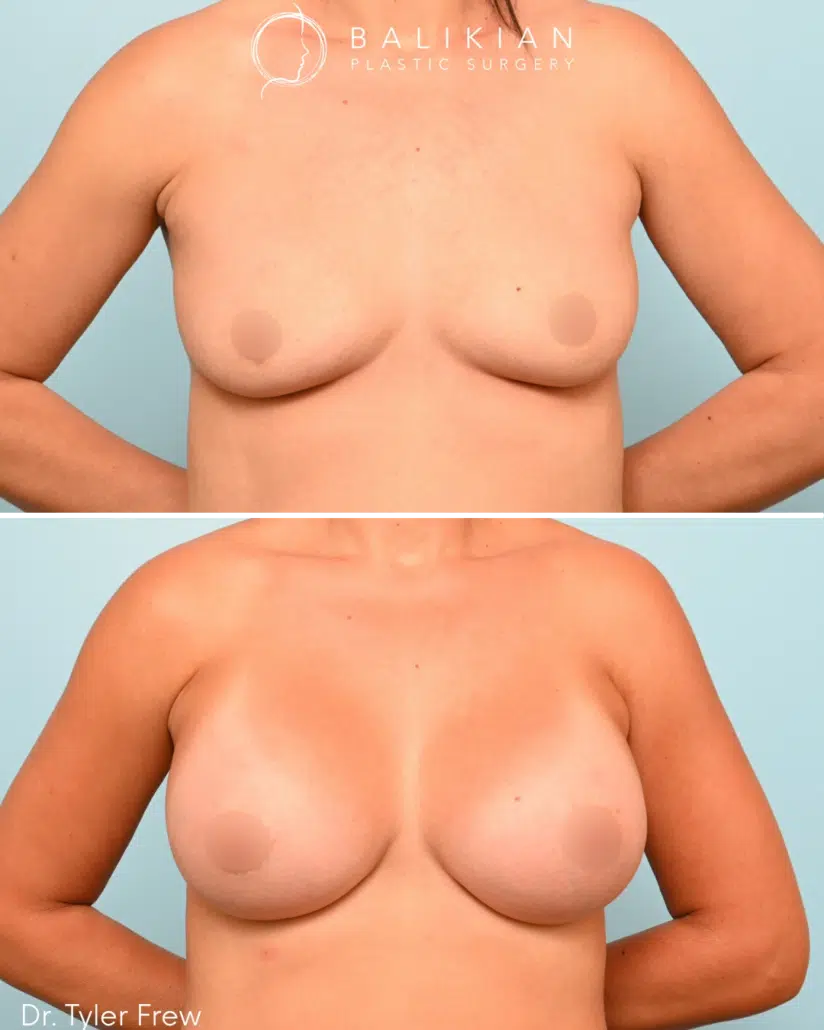


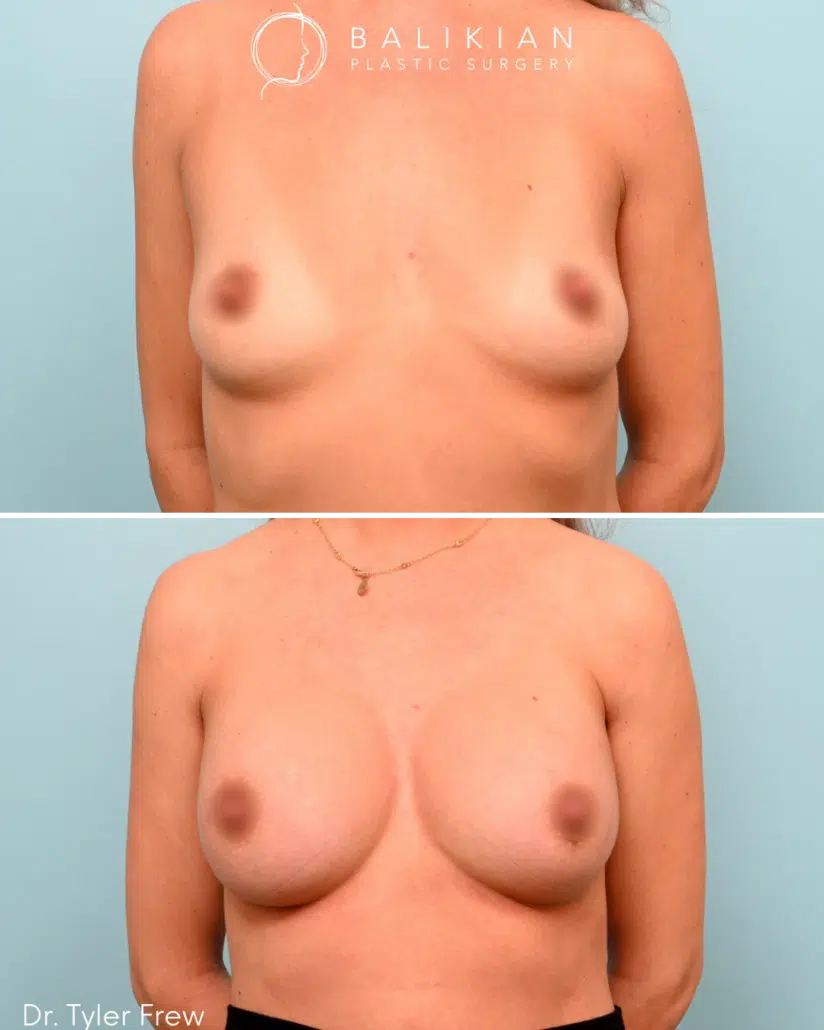
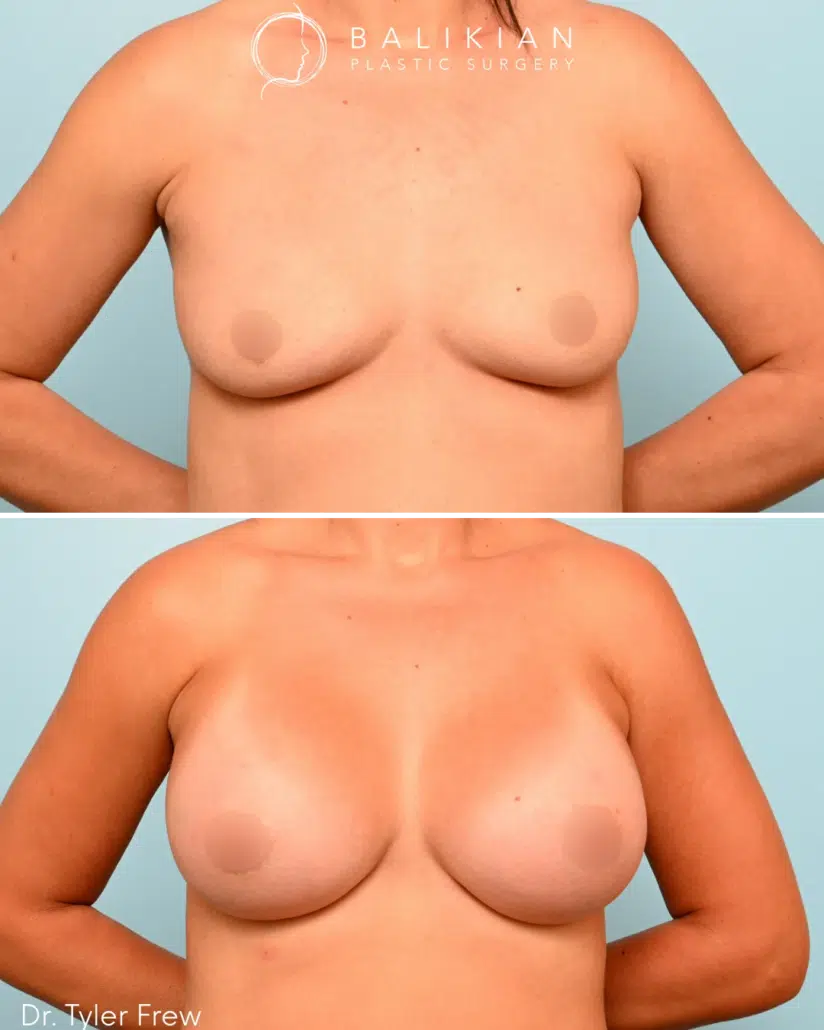
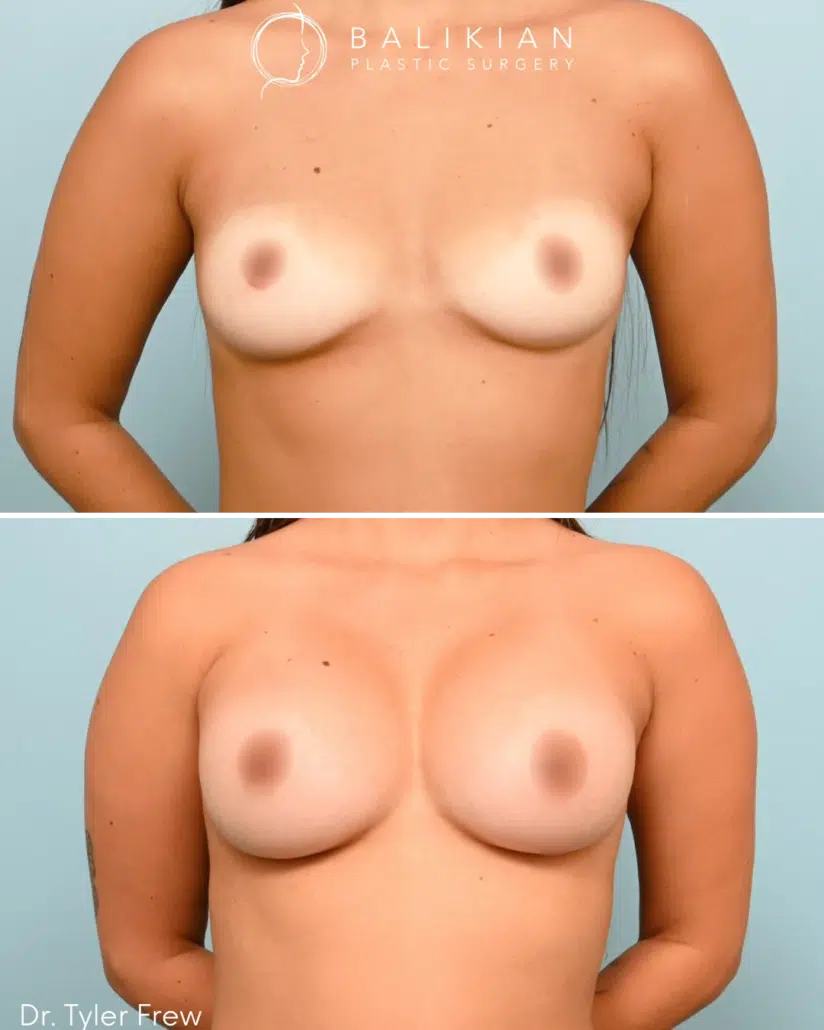
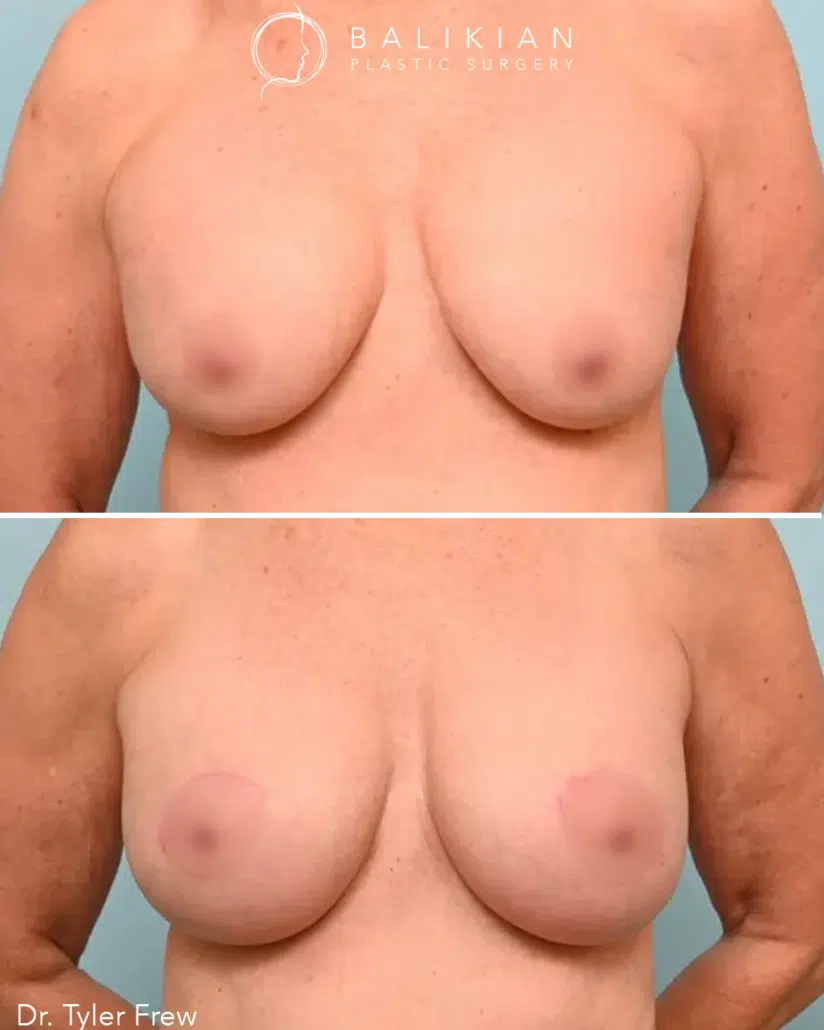
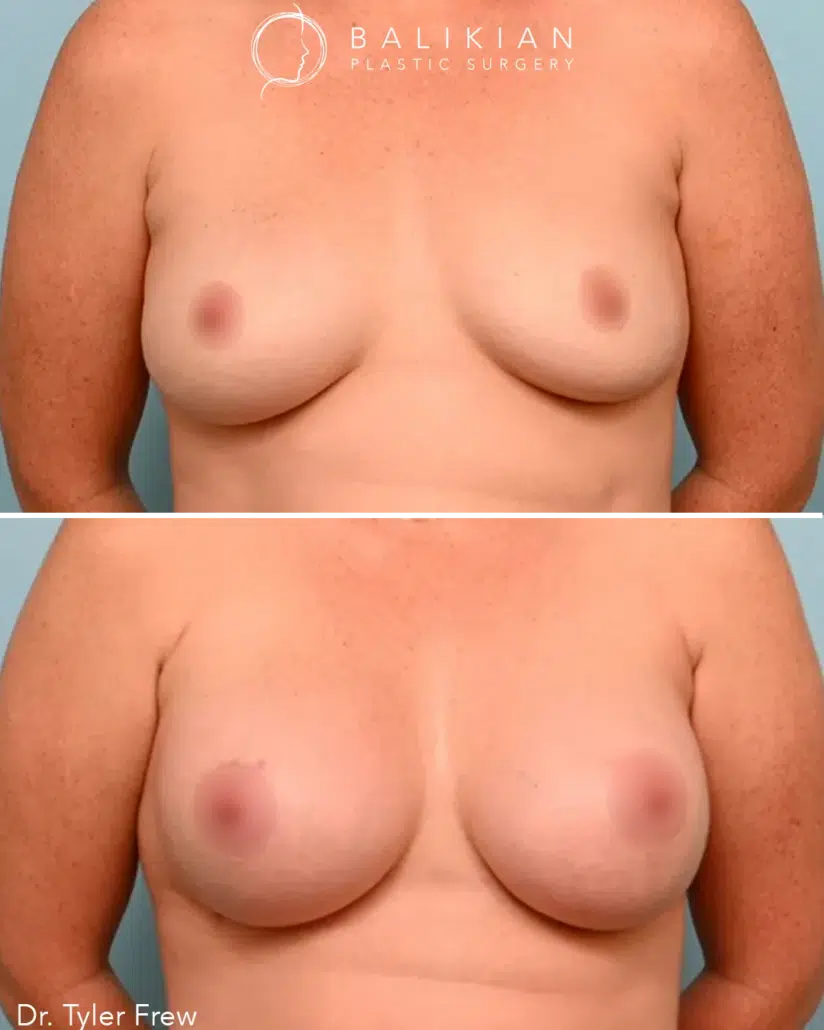
Although the inframammary approach is the most common, it is not the only option. During your consultation, Dr. Cuber will review which incision best fits your anatomy and goals.
By comparing each option clearly, you and Dr. Cuber can select the incision that supports the safest placement, the most natural shape and the outcome that best aligns with your goals.
Many patients worry about how breast surgery might affect breastfeeding or nipple sensation. Studies suggest that incision choice may play a role.
Because the inframammary approach avoids cutting through the nipple and major ducts, it typically preserves the structures needed for breastfeeding and is less likely to disturb nerve supply to the nipple areolar complex compared with some periareolar incisions.
No technique can guarantee perfect sensation or breastfeeding ability, but the inframammary incision is generally considered one of the most breast friendly options from a functional standpoint.
Scar quality depends on genetics, surgical technique and postoperative care.
After surgery, Dr. Cuber will guide you through:
Most scars mature over 12 to 18 months, gradually flattening and lightening with time.
Deciding whether the inframammary incision is right for you begins with understanding how your anatomy and goals align with this approach.
The best incision for you depends on:
During your consultation, Dr. Cuber will examine your anatomy, listen to your goals and explain which incision choice offers the safest, most predictable path to a result that looks natural and feels like you. For many patients this will be the inframammary fold. For others, a different incision may make more sense.
The goal is always the same. A beautiful, balanced breast shape supported by thoughtful planning, precise surgical technique and a scar that is as discreet as possible.
What is the inframammary incision in breast augmentation?
The inframammary incision is a small cut placed in the natural crease under the breast, called the inframammary fold. This location gives the surgeon direct access to create an accurate pocket and position the implant while keeping the scar hidden beneath the breast.
Why do many plastic surgeons prefer the inframammary incision?
Many surgeons prefer the inframammary approach because it offers excellent visibility, precise control over implant placement and minimal disruption of breast tissue and ducts. Studies and expert reviews note that this route often combines reliable aesthetic outcomes with low complication rates when technique is sound.
Does the inframammary incision affect capsular contracture risk?
Several studies and reviews suggest that capsular contracture rates are lower with inframammary incisions compared with periareolar incisions, although overall risk is also strongly influenced by surgical technique, implant type, and postoperative care.
Will an inframammary incision scar be visible?
In most patients, the inframammary scar hides in the fold beneath the breast and is not visible in normal clothing or when standing upright. Techniques that use a shorter inframammary incision can further reduce scar length while maintaining access.
Is the inframammary incision better for silicone gel implants?
The inframammary approach is widely considered ideal for silicone gel implants because it allows a controlled pocket, careful handling of the implant, and accurate placement at the fold. This is especially important for cohesive gel implants and for combining augmentation with mesh or internal bra support.
Does the inframammary incision affect nipple sensation or breastfeeding?
Because the inframammary incision is placed in the fold, it does not cut through the nipple or areolar tissue and usually avoids the major milk ducts. Reviews note that periareolar incisions may have higher risk of infection and capsular contracture because they pass through ducts, which is one reason many surgeons favor the fold incision for long term breast health.
Is the inframammary incision safer than periareolar or transaxillary approaches?
Safety depends on the surgeon, technique, and patient factors. However, multiple series suggest that inframammary incisions are associated with low rates of complications and a very low capsular contracture rate in experienced hands, while periareolar and some transaxillary techniques may show higher contracture or revision challenges in some reports.
How does an inframammary incision help with revision or internal bra surgery?
For revision breast surgery, capsular contracture treatment, or adding internal support such as mesh, the inframammary incision provides direct exposure to the pocket and fold. This access makes it easier to remove or adjust scar tissue, reinforce the fold, and place new implants or internal bra materials with accuracy.
How long does it take an inframammary incision to heal?
Most patients find that the incision closes and feels secure within a couple of weeks, with scars continuing to fade and soften over several months. Long term follow up in breast augmentation studies shows that inframammary scars tend to be stable, thin lines that are well tolerated when placed correctly in the fold.
Does incision choice affect breast shape and fold position?
Yes. The inframammary incision allows precise control of the breast fold, which is important for implant position and long term shape. Detailed techniques for setting and maintaining the inframammary fold show that this approach supports consistent symmetry and lower pole contour when carefully planned.
Is the inframammary incision used for most primary breast augmentations today?
Many contemporary series report that the inframammary approach is used in the majority of primary augmentations because it is versatile, works with most implant types and facilitates pocket control. One large review reported inframammary incisions in more than 90 percent of primary breast augmentations in that practice.
Dr. Shain Cuber is a breast & body plastic surgeon specializing in aesthetic surgery of the breast and body.
With more than 20 years of surgical experience, he is known for creating natural-looking results through breast enhancement, tummy tuck, liposuction, Mommy Makeover and body-contouring procedures.
Dr. Cuber combines meticulous surgical technique with attentive, patient-focused care, helping each individual feel confident and comfortable throughout their surgical journey.

 Face and Body Plastic Surgery Combination Procedures